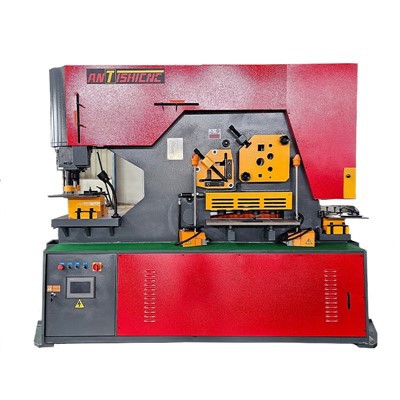
As a seasoned supplier of CNC Ironworkers, I often encounter customers who are curious about the possibility of upgrading their existing machines. This blog post aims to explore the feasibility, benefits, and considerations of upgrading a CNC ironworker, providing valuable insights for those looking to enhance their equipment's performance.
Understanding the Basics of CNC Ironworkers
Before delving into the upgrade process, it's essential to understand what a CNC ironworker is and its core functions. A CNC (Computer Numerical Control) ironworker is a versatile machine used in metalworking for various tasks such as punching, shearing, notching, and bending. It combines multiple functions into one unit, making it a valuable asset in fabrication shops, construction sites, and manufacturing facilities.
The CNC aspect of the machine allows for precise control and automation of these operations. By programming the machine, operators can achieve consistent and accurate results, reducing human error and increasing productivity. However, as technology advances and business needs change, an existing CNC ironworker may no longer meet the required standards.
Reasons to Upgrade Your CNC Ironworker
There are several compelling reasons why you might consider upgrading your CNC ironworker.
Improved Precision and Accuracy
Newer CNC ironworkers come with advanced control systems and servo motors that offer higher precision and accuracy. Upgrading your machine can significantly improve the quality of your work, especially when dealing with complex shapes and tight tolerances. This enhanced precision can lead to fewer rejects and higher customer satisfaction.
Increased Productivity
Modern CNC ironworkers are designed to operate at faster speeds and with shorter cycle times. Upgrading can reduce the time it takes to complete each job, allowing you to take on more projects and increase your overall productivity. Additionally, some upgrades may include features such as automatic tool changers, which can further streamline the production process.
Expanded Functionality
Technology advancements have enabled CNC ironworkers to perform a wider range of functions. Upgrading your machine may allow you to add new capabilities, such as plasma cutting or tube processing. This expanded functionality can open up new business opportunities and make your shop more competitive in the market.
Energy Efficiency
Older CNC ironworkers may consume more energy than their newer counterparts. Upgrading to a more energy-efficient model can help you reduce your operating costs and minimize your environmental impact. Newer machines often feature advanced hydraulic systems and energy-saving technologies that optimize power consumption.
Feasibility of Upgrading
The feasibility of upgrading your existing CNC ironworker depends on several factors, including the age and condition of the machine, the specific upgrades you want to make, and your budget.
Age and Condition of the Machine
If your CNC ironworker is relatively new and in good condition, it may be more feasible to upgrade it. However, if the machine is old and has significant wear and tear, it may be more cost-effective to replace it with a new one. In some cases, the cost of upgrading an old machine may approach or exceed the cost of a new model.
Specific Upgrades
The type of upgrades you want to make will also affect the feasibility of the project. Some upgrades, such as software updates or control system replacements, may be relatively straightforward and cost-effective. Others, such as adding new tooling or expanding the machine's capabilities, may require more extensive modifications and investment.
Budget
Your budget is a crucial factor in determining whether an upgrade is feasible. It's essential to carefully evaluate the cost of the upgrades against the potential benefits. Consider the long-term savings in terms of increased productivity, improved quality, and reduced energy consumption. Additionally, factor in any additional costs, such as installation, training, and maintenance.
Common Upgrades for CNC Ironworkers
Here are some common upgrades that you may consider for your CNC ironworker:


Software Upgrades
Updating the software on your CNC ironworker can improve its performance and functionality. Newer software versions may offer enhanced programming capabilities, better user interfaces, and compatibility with the latest operating systems. Software upgrades are often relatively inexpensive and can be installed quickly.
Control System Replacements
Replacing the control system on your CNC ironworker can significantly improve its precision and accuracy. Newer control systems offer faster processing speeds, more advanced motion control algorithms, and better connectivity options. This upgrade may require professional installation and calibration but can provide substantial benefits in terms of performance.
Tooling Upgrades
Upgrading the tooling on your CNC ironworker can expand its capabilities and improve the quality of your work. For example, you may consider upgrading to a more advanced punching die or a high-speed shearing blade. Tooling upgrades can be customized to meet your specific needs and can have a significant impact on the machine's performance.
Hydraulic System Upgrades
The hydraulic system is a critical component of a CNC ironworker. Upgrading the hydraulic system can improve the machine's power, speed, and reliability. Newer hydraulic systems may feature advanced pumps, valves, and cylinders that offer better performance and energy efficiency.
Considerations Before Upgrading
Before proceeding with an upgrade, there are several important considerations to keep in mind:
Compatibility
Ensure that the upgrades you choose are compatible with your existing CNC ironworker. Some upgrades may require specific hardware or software configurations, and it's essential to verify that your machine can support them.
Training
Upgrading your CNC ironworker may require your operators to receive additional training. Make sure that your staff is adequately trained to operate the upgraded machine safely and effectively. Training can help prevent accidents and ensure that you get the most out of your investment.
Maintenance
Consider the long-term maintenance requirements of the upgraded machine. Newer components may require different maintenance procedures and schedules. It's important to factor in the cost and time associated with maintenance when evaluating the feasibility of an upgrade.
Conclusion
Upgrading your existing CNC ironworker can be a viable option to improve its performance, productivity, and functionality. However, it's essential to carefully evaluate the feasibility of the upgrade based on the age and condition of the machine, the specific upgrades you want to make, and your budget. By considering these factors and making informed decisions, you can ensure that your upgrade investment yields significant returns.
If you're interested in exploring the possibility of upgrading your CNC ironworker or purchasing a new machine, we offer a wide range of high-quality 50 Ton Ironworker, Mini Ironworker, and Ironworker Hole Punch solutions. Our team of experts is ready to assist you in finding the right equipment for your needs. Contact us today to start a discussion about your requirements and explore the best options for your business.
References
- [List relevant industry publications, research papers, or manufacturer documentation here]