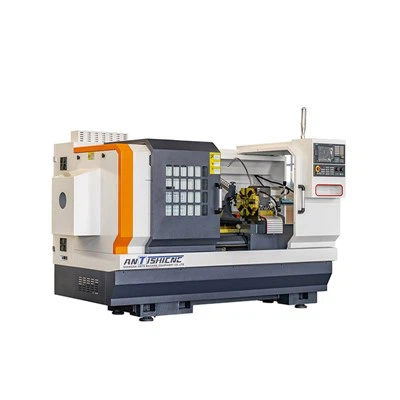
Hey there! As a supplier of CNC Ironworkers, I've seen firsthand how these machines can revolutionize metalworking operations. But like any piece of heavy - duty equipment, they need proper maintenance to keep running smoothly and efficiently. In this blog, I'll share some tips on how to maintain a CNC Ironworker.
Regular Cleaning
First off, cleaning is super important. Metal shavings, dust, and debris can accumulate on your CNC Ironworker over time. These little particles can cause all sorts of problems, like jamming moving parts or scratching surfaces. So, make it a habit to clean your machine after each use.
Use a soft brush to remove loose debris from the work area, the cutting blades, and the hydraulic components. For stubborn dirt, you can use a mild cleaning solution. Just make sure to dry the machine thoroughly afterward to prevent rust. And don't forget about the control panel! Wipe it down with a soft, dry cloth to keep it free of dust.
Lubrication
Lubrication is another key aspect of maintenance. The moving parts of your CNC Ironworker, such as the slides, gears, and bearings, need proper lubrication to reduce friction and wear. Check the manufacturer's manual to find out what type of lubricant to use and how often to apply it.
Typically, you'll need to lubricate these parts on a regular basis, maybe once a week or once a month depending on how often you use the machine. Use a high - quality lubricant and apply it evenly to the designated areas. Over - lubricating can be just as bad as under - lubricating, so follow the recommended amounts.
Hydraulic System Maintenance
The hydraulic system is the heart of a CNC Ironworker. It powers the cutting, punching, and shearing operations. To keep it in top shape, you need to monitor the hydraulic fluid level regularly. Low fluid levels can cause the system to overheat and may lead to component failure.
If the fluid level is low, add the recommended type of hydraulic fluid. Also, check the fluid for signs of contamination, like dirt or water. Contaminated fluid can damage the hydraulic pump and other components. If you notice any issues, it's best to change the fluid and clean the system as soon as possible.
The hydraulic hoses are also crucial. Inspect them regularly for signs of wear, such as cracks, leaks, or bulges. A damaged hose can cause a loss of hydraulic pressure and pose a safety hazard. Replace any damaged hoses immediately with hoses that meet the manufacturer's specifications.
Blade and Tool Maintenance
The blades and tools on your CNC Ironworker are what do the actual cutting and shaping of the metal. Keeping them sharp and in good condition is essential for accurate and efficient operation.


Sharpen the blades regularly according to the manufacturer's instructions. Dull blades can cause poor - quality cuts, increase the workload on the machine, and may even damage the metal being processed. You can use a professional blade sharpener or take the blades to a service center for sharpening.
Inspect the tools for any signs of damage, such as chips or cracks. If a tool is damaged, replace it right away. Using damaged tools can not only affect the quality of your work but also be dangerous.
Electrical System Checks
The electrical system of your CNC Ironworker controls the operation of the machine. Check the electrical connections regularly to make sure they are tight and free of corrosion. Loose connections can cause electrical problems, such as short circuits or power outages.
Inspect the wiring for any signs of damage, like frayed wires or exposed conductors. Damaged wiring can be a serious safety hazard and should be repaired or replaced immediately. If you're not comfortable working with electrical systems, it's best to hire a professional electrician.
Software and Control System Updates
Most modern CNC Ironworkers come with sophisticated software and control systems. These systems need to be updated regularly to ensure optimal performance and compatibility with new materials and processes.
Check the manufacturer's website for software updates and follow the instructions carefully to install them. Software updates can fix bugs, improve functionality, and add new features to your machine. Keeping your software up - to - date can also help you stay competitive in the metalworking industry.
Operator Training
Last but not least, proper operator training is vital for the maintenance of a CNC Ironworker. Make sure your operators are trained to use the machine correctly and understand the importance of maintenance.
An untrained operator may misuse the machine, which can lead to premature wear and tear. Provide regular training sessions to keep your operators up - to - date on the latest operating procedures and maintenance practices.
In conclusion, maintaining a CNC Ironworker requires a combination of regular cleaning, lubrication, hydraulic system maintenance, blade and tool care, electrical system checks, software updates, and operator training. By following these tips, you can extend the lifespan of your machine, improve its performance, and reduce the risk of breakdowns.
If you're in the market for a new CNC Ironworker, we've got you covered. We offer a wide range of CNC Ironworker models to suit different needs and budgets. We also have Mini Ironworker and Bantam Ironworker options for those with smaller - scale operations.
If you're interested in learning more about our products or have any questions regarding maintenance or operation, feel free to reach out. We're here to help you make the best choice for your metalworking business. Let's start a conversation and see how we can work together to take your operations to the next level.
References
- Manufacturer's manuals for CNC Ironworkers
- Industry best practices for metalworking equipment maintenance