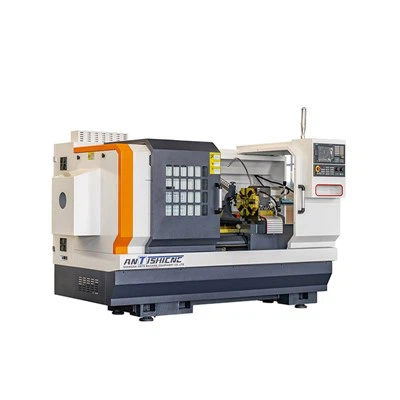
What is the thermal stability of a cnc shaping machine?
As a supplier of CNC shaping machines, I often encounter inquiries from customers about the thermal stability of these machines. Thermal stability is a crucial factor in the performance and accuracy of CNC shaping machines, and understanding its significance is essential for anyone in the manufacturing industry.


Understanding Thermal Stability
Thermal stability refers to the ability of a CNC shaping machine to maintain its accuracy and performance under varying temperature conditions. During the machining process, heat is generated by various factors such as the cutting process, friction between moving parts, and the operation of electrical components. This heat can cause the machine's components to expand or contract, leading to changes in dimensions and positioning accuracy.
The impact of temperature changes on a CNC shaping machine can be significant. Even small temperature variations can result in dimensional errors, surface finish issues, and reduced tool life. For example, if the temperature of the machine's spindle increases, it can cause the spindle to expand, leading to a change in the cutting diameter and affecting the accuracy of the machined part.
Factors Affecting Thermal Stability
Several factors can influence the thermal stability of a CNC shaping machine. These include the machine's design, materials used, cooling systems, and operating environment.
- Machine Design: The design of the machine plays a crucial role in its thermal stability. A well-designed machine should have a rigid structure that can minimize thermal deformation. For example, using a box-type frame or a thermally symmetric design can help distribute heat evenly and reduce the impact of temperature changes on the machine's components.
- Materials Used: The choice of materials for the machine's components can also affect its thermal stability. Materials with low coefficients of thermal expansion, such as granite or ceramics, are often used for critical components like the machine bed and guideways. These materials can minimize thermal deformation and maintain the machine's accuracy over a wide range of temperatures.
- Cooling Systems: Effective cooling systems are essential for maintaining the thermal stability of a CNC shaping machine. Cooling systems can help remove heat generated during the machining process and prevent the machine's components from overheating. Common cooling methods include using coolant for the cutting process, water-cooled spindles, and air cooling for electrical components.
- Operating Environment: The operating environment of the CNC shaping machine can also have a significant impact on its thermal stability. High ambient temperatures, humidity, and exposure to direct sunlight can all increase the machine's temperature and affect its performance. Therefore, it is important to operate the machine in a controlled environment and provide adequate ventilation to prevent heat buildup.
Importance of Thermal Stability in CNC Shaping Machines
The thermal stability of a CNC shaping machine is crucial for several reasons.
- Accuracy: Maintaining high accuracy is one of the primary goals of CNC machining. Thermal stability ensures that the machine can maintain its accuracy over time, even under varying temperature conditions. This is essential for producing high-quality parts with tight tolerances.
- Surface Finish: Temperature changes can affect the surface finish of the machined parts. A machine with good thermal stability can minimize the impact of temperature variations on the cutting process, resulting in a smoother surface finish.
- Tool Life: Excessive heat can cause the cutting tools to wear out quickly. By maintaining thermal stability, the machine can reduce the heat generated during the machining process, extending the tool life and reducing tooling costs.
- Productivity: A machine with good thermal stability can operate continuously without significant downtime due to temperature-related issues. This can improve productivity and reduce production costs.
Our CNC Shaping Machines and Thermal Stability
At our company, we understand the importance of thermal stability in CNC shaping machines. That's why we have incorporated several features into our machines to ensure optimal thermal performance.
- Advanced Design: Our CNC shaping machines are designed with a rigid and thermally symmetric structure to minimize thermal deformation. The use of high-quality materials and precision machining techniques ensures that the machines can maintain their accuracy over a wide range of temperatures.
- Efficient Cooling Systems: We have implemented advanced cooling systems in our machines to remove heat generated during the machining process. These systems include coolant circulation for the cutting process, water-cooled spindles, and air cooling for electrical components. By effectively managing heat, we can ensure that the machines operate at optimal temperatures and maintain their performance.
- Temperature Monitoring and Control: Our machines are equipped with temperature sensors and control systems to monitor and adjust the temperature of critical components. This allows us to detect any temperature variations and take corrective actions to maintain the machine's thermal stability.
Conclusion
In conclusion, thermal stability is a critical factor in the performance and accuracy of CNC shaping machines. Understanding the factors that affect thermal stability and implementing appropriate measures to maintain it is essential for producing high-quality parts and achieving optimal productivity. As a supplier of CNC shaping machines, we are committed to providing our customers with machines that offer excellent thermal stability and performance. If you are interested in our Cnc Gear Shaper Machine or CNC Gear Shaper, please contact us to discuss your specific requirements and explore how our machines can meet your needs.
References
- Smith, J. (2018). Principles of CNC Machining. Publisher X.
- Johnson, A. (2019). Thermal Management in Machine Tools. Journal of Manufacturing Technology, 25(3), 123-135.