


Hey there! As a supplier of Universal Lathes, I've seen firsthand how crucial machining accuracy is in various industries. Whether you're working on small precision parts or large-scale industrial components, getting that perfect cut can make all the difference. In this blog post, I'll share some tips on how to improve the machining accuracy of a Universal Lathe.
Understanding the Basics of Universal Lathes
Before we dive into the tips, let's quickly go over what a Universal Lathe is. A Universal Lathe is a versatile machine tool that can perform a variety of turning operations, such as facing, boring, threading, and tapering. It's widely used in manufacturing, automotive, aerospace, and other industries. You can check out our Universal Lathe for more details.
Regular Maintenance
One of the most important things you can do to improve the machining accuracy of your Universal Lathe is to perform regular maintenance. This includes cleaning, lubricating, and inspecting the machine on a regular basis. Dirt, debris, and lack of lubrication can cause excessive wear and tear on the machine's components, which can lead to decreased accuracy.
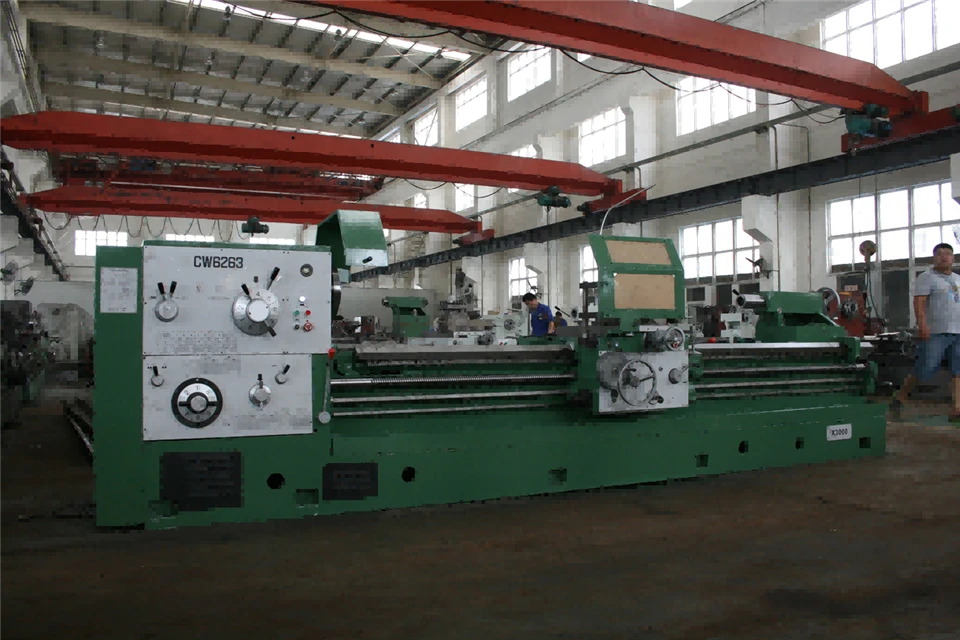

- Cleaning: Make sure to clean the lathe regularly to remove any chips, dust, or coolant. Use a soft brush or compressed air to clean hard-to-reach areas.
- Lubrication: Lubricate all moving parts, such as the spindle, lead screw, and feed rod, according to the manufacturer's recommendations. This will reduce friction and wear, and help the machine run smoothly.
- Inspection: Regularly inspect the machine for any signs of wear or damage, such as loose belts, worn bearings, or damaged gears. Replace any worn or damaged parts immediately to prevent further damage to the machine.
Tool Selection and Setup
The choice of cutting tools and their proper setup can have a significant impact on the machining accuracy of a Universal Lathe.
- Tool Selection: Select the right cutting tool for the job based on the material being machined, the type of operation, and the desired finish. For example, high-speed steel (HSS) tools are suitable for general-purpose machining, while carbide tools are better for high-speed and high-precision machining.
- Tool Grinding: Make sure the cutting tools are properly ground to the correct geometry. A dull or improperly ground tool can cause poor surface finish, excessive tool wear, and decreased accuracy.
- Tool Setup: Properly set up the cutting tools in the tool holder. Make sure the tool is centered and perpendicular to the workpiece, and that the cutting edge is at the correct height.
Workpiece Preparation
Proper workpiece preparation is essential for achieving high machining accuracy.
- Material Selection: Choose the right material for the job based on its properties, such as hardness, toughness, and machinability. Make sure the material is free from defects, such as cracks, voids, or inclusions.
- Workpiece Mounting: Mount the workpiece securely in the lathe chuck or collet. Make sure the workpiece is centered and balanced to prevent vibration and runout, which can affect the accuracy of the machining operation.
- Workpiece Fixturing: Use appropriate fixtures and clamps to hold the workpiece in place during machining. This will prevent the workpiece from moving or shifting, which can cause errors in the machining process.
Machine Calibration
Regularly calibrating your Universal Lathe is crucial for maintaining its accuracy.
- Spindle Alignment: Check the alignment of the spindle regularly to ensure it is running true. A misaligned spindle can cause runout, which can lead to poor surface finish and decreased accuracy.
- Lead Screw and Feed Rod Alignment: Make sure the lead screw and feed rod are properly aligned. A misaligned lead screw or feed rod can cause inconsistent feed rates and inaccurate threading.
- Tool Post and Cross Slide Alignment: Check the alignment of the tool post and cross slide to ensure they are perpendicular to the spindle axis. This will ensure that the cutting tool moves in a straight line and produces accurate cuts.
Cutting Parameters
Choosing the right cutting parameters, such as cutting speed, feed rate, and depth of cut, is essential for achieving high machining accuracy.
- Cutting Speed: The cutting speed is the speed at which the cutting tool moves relative to the workpiece. It is usually measured in surface feet per minute (SFM) or meters per minute (m/min). Choose the appropriate cutting speed based on the material being machined, the type of cutting tool, and the desired finish.
- Feed Rate: The feed rate is the rate at which the cutting tool moves along the workpiece. It is usually measured in inches per revolution (IPR) or millimeters per revolution (mm/r). Choose the appropriate feed rate based on the material being machined, the type of cutting tool, and the desired finish.
- Depth of Cut: The depth of cut is the thickness of the material removed by the cutting tool in each pass. Choose the appropriate depth of cut based on the material being machined, the type of cutting tool, and the power of the lathe.
Operator Skill and Training
The skill and training of the operator can also have a significant impact on the machining accuracy of a Universal Lathe.
- Training: Make sure the operator is properly trained on how to operate the lathe safely and effectively. Provide training on topics such as machine setup, tool selection, cutting parameters, and maintenance.
- Experience: Encourage the operator to gain experience by working on a variety of jobs. This will help them develop the skills and knowledge needed to achieve high machining accuracy.
- Attention to Detail: Remind the operator to pay attention to detail and to follow the machining process carefully. Small errors, such as incorrect tool setup or improper cutting parameters, can have a big impact on the accuracy of the final product.
Additional Tips
Here are some additional tips to help you improve the machining accuracy of your Universal Lathe:
- Use a Coolant: Using a coolant can help reduce heat and friction during machining, which can improve the surface finish and accuracy of the workpiece.
- Reduce Vibration: Vibration can cause poor surface finish and decreased accuracy. Use vibration-damping materials, such as rubber pads or anti-vibration mounts, to reduce vibration.
- Monitor the Machining Process: Use sensors or monitoring devices to monitor the machining process in real-time. This will allow you to detect any issues or errors early on and take corrective action.
Conclusion
Improving the machining accuracy of a Universal Lathe requires a combination of regular maintenance, proper tool selection and setup, workpiece preparation, machine calibration, and operator skill and training. By following the tips outlined in this blog post, you can ensure that your Universal Lathe produces high-quality, accurate parts every time.
If you're in the market for a Universal Lathe or need any assistance with improving the machining accuracy of your existing lathe, feel free to contact us. We're here to help you find the right solution for your needs.
References
- ASM Handbook, Volume 16: Machining, ASM International
- Machinery's Handbook, 31st Edition, Industrial Press Inc.
- Modern Machining Technology, 4th Edition, McGraw-Hill Education


