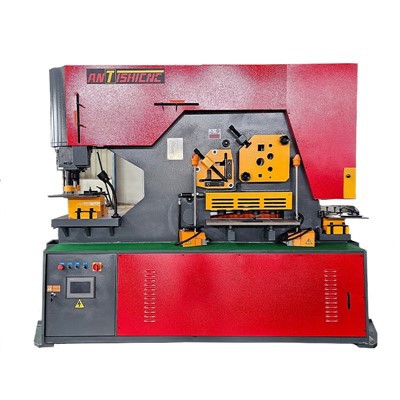
Installing a large lathe machine is a complex and crucial process that requires careful planning, technical expertise, and adherence to safety protocols. As a supplier of [Large Lathe Machine], I've witnessed firsthand the importance of a proper installation for the long - term performance and safety of these powerful machines. In this blog, I'll guide you through the step - by - step process of installing a large lathe machine.
Pre - installation Preparations
Before you even think about unpacking the lathe machine, there are several essential preparations to be made.
Site Selection
The first step is to choose an appropriate location for the lathe machine. The site should be a well - ventilated area with sufficient space around the machine to allow for easy access during operation, maintenance, and potential future expansions. The floor must be flat, level, and capable of supporting the weight of the large lathe machine. A concrete floor is often the best choice as it provides a stable foundation. You can use a spirit level to check the flatness of the floor. Any unevenness can cause vibrations during the machine's operation, which may lead to poor machining quality and premature wear of the machine components.
Electrical Requirements
Large lathe machines typically require a significant amount of electrical power. You need to consult the machine's manual to determine the exact voltage, amperage, and phase requirements. Ensure that the electrical supply in the selected location can meet these specifications. It's also crucial to install proper electrical protection devices such as circuit breakers and grounding systems to prevent electrical hazards. Consider hiring a qualified electrician to handle the electrical connections to ensure compliance with local electrical codes.
Crane and Lifting Equipment
Since large lathe machines are heavy and bulky, you'll need appropriate crane or lifting equipment to move the machine from its shipping container to the installation site. Make sure the lifting capacity of the equipment is sufficient to handle the weight of the lathe. Check the condition of the lifting equipment, including cables, hooks, and chains, to ensure their safety. The personnel operating the lifting equipment should be trained and certified to handle such tasks.
Unpacking and Inspection
Once you've completed the pre - installation preparations, it's time to unpack the large lathe machine.
Unpacking
Carefully remove the packing materials from the machine. Be cautious not to damage any of the machine components during the unpacking process. Keep all the packing materials and documentation, as they may be needed for future reference or warranty claims.
Inspection
Thoroughly inspect the machine for any visible damage that may have occurred during shipping. Check for loose parts, bent components, or signs of impact. Compare the machine components with the packing list to ensure that all parts are present. If you find any damage or missing parts, contact the shipping company and our support team immediately. We, as your [Large Lathe Machine] supplier, will assist you in resolving these issues promptly.
Assembly
After the inspection, the next step is to assemble the large lathe machine.
Base Installation
Start by installing the base of the lathe machine on the prepared floor. Use leveling bolts to adjust the height and level of the base. Make sure the base is firmly secured to the floor using anchor bolts. The base provides the foundation for the entire machine, so proper installation is essential for its stability.
Mounting the Headstock and Tailstock
The headstock and tailstock are two critical components of the lathe machine. Carefully lift and mount them onto the base according to the machine's assembly instructions. Align the headstock and tailstock accurately to ensure that the workpiece can be centered correctly during machining. Use precision measuring tools such as dial indicators to check the alignment.
Installing the Carriage and Cross - Slide
The carriage and cross - slide are responsible for the movement of the cutting tool. Install them onto the ways of the lathe bed. Lubricate the ways before installation to reduce friction and ensure smooth movement. Adjust the clearances between the carriage, cross - slide, and the ways to the specifications provided in the machine manual.
Connecting the Drive System
The drive system of the large lathe machine includes the motor, belts, pulleys, and gears. Connect the motor to the power supply and install the belts and pulleys according to the drive ratio specified in the manual. Check the tension of the belts to ensure proper power transmission. The gears should be meshed correctly to avoid noise and premature wear.
Alignment and Calibration
After the assembly is complete, the large lathe machine needs to be aligned and calibrated.
Geometric Alignment
Geometric alignment ensures that all the components of the lathe machine are in the correct position relative to each other. Check the parallelism of the headstock spindle axis and the lathe bed, as well as the perpendicularity of the cross - slide movement to the spindle axis. Use precision measuring instruments such as straightedges, squares, and dial indicators to make the necessary adjustments.
Spindle Runout
Spindle runout refers to the deviation of the spindle's rotation from its ideal axis. Excessive spindle runout can lead to poor surface finish and inaccurate machining. Measure the spindle runout using a dial indicator and adjust the spindle bearings or other components as required to minimize the runout.
Feed and Speed Calibration
Calibrate the feed and speed settings of the lathe machine according to the specifications in the manual. Use a tachometer to measure the actual spindle speed and adjust the drive system if necessary. The feed rate of the cutting tool should also be calibrated to ensure consistent and accurate machining.
Testing and Commissioning
Once the alignment and calibration are complete, it's time to test the large lathe machine.
Dry Run
Before starting to machine a workpiece, perform a dry run of the lathe machine. Turn on the machine and let it run at different speeds and feeds without a workpiece. Listen for any abnormal noises or vibrations. Check the movement of all the components to ensure that they are functioning smoothly.
Trial Machining
After a successful dry run, perform trial machining on a test workpiece. Choose a simple workpiece material and a basic machining operation such as turning. Check the surface finish, dimensional accuracy, and other machining parameters of the test workpiece. Make any necessary adjustments to the machine settings based on the results of the trial machining.
Safety Considerations
Throughout the installation process, safety should be your top priority.


Operator Training
Ensure that the operators of the large lathe machine receive proper training on its operation, maintenance, and safety procedures. Training should cover topics such as machine controls, emergency stop procedures, personal protective equipment (PPE), and safe handling of workpieces and cutting tools.
Safety Guards
Install all the necessary safety guards on the lathe machine. Safety guards protect the operators from moving parts, flying chips, and other potential hazards. Make sure the guards are properly installed and in good condition.
Fire and Emergency Preparedness
Have fire extinguishers and other emergency equipment readily available in the vicinity of the lathe machine. Develop an emergency response plan and ensure that all personnel are familiar with it.
Conclusion
Installing a large lathe machine is a comprehensive process that demands meticulous attention to detail at every stage. From pre - installation preparations to testing and commissioning, each step plays a vital role in ensuring the machine's optimal performance and safety. As a [Large Lathe Machine] supplier, we are committed to providing you with high - quality machines and comprehensive support throughout the installation process.
If you're considering purchasing a large lathe machine, or need further assistance with the installation of your existing machine, we invite you to [initiate a discussion about your specific requirements]. Our team of experts is ready to help you make the right choices and ensure a smooth installation. You can explore our product range, including [Traditional Lathe] at [/lathe-machine/universal-lathe-machine/traditional-lathe.html], [Extra Heavy Duty Lathe Machine] at [/lathe-machine/universal-lathe-machine/extra-heavy-duty-lathe-machine.html], and [Large Lathe Machine] at [/lathe-machine/universal-lathe-machine/large-lathe-machine.html]. Contact us today to start the procurement process and take your machining operations to the next level.
References
- Manufacturer's Installation Manual for Large Lathe Machines
- Industrial Machine Installation Standards and Guidelines
- Electrical Installation Codes and Regulations