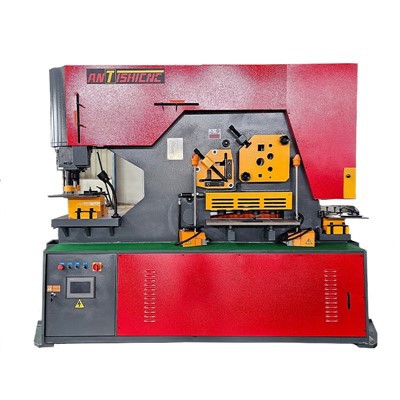
Hey there! As a supplier of hydraulic ironworkers, I often get asked about the ideal operating temperature range for these machines. It's a crucial question because the temperature can significantly impact the performance and lifespan of a hydraulic ironworker. In this blog, I'll break down everything you need to know about the ideal temperature range and why it matters.
First off, let's understand what a hydraulic ironworker is. It's a versatile machine used in metalworking shops for various tasks like punching, shearing, notching, and bending metal. These machines rely on hydraulic systems to generate the force needed for these operations. The hydraulic fluid in the system is like the lifeblood of the machine, and its performance is highly sensitive to temperature.
So, what's the ideal operating temperature range for a hydraulic ironworker? Generally, the sweet spot lies between 120°F (49°C) and 140°F (60°C). This range allows the hydraulic fluid to maintain its optimal viscosity. Viscosity is a measure of a fluid's resistance to flow. If the fluid is too thick (high viscosity), it can cause the pump to work harder, leading to increased wear and tear on the system. On the other hand, if the fluid is too thin (low viscosity), it can result in leaks and reduced efficiency.
When the temperature drops below the ideal range, say below 100°F (38°C), the hydraulic fluid becomes thicker. This increased viscosity makes it difficult for the fluid to flow through the system smoothly. The pump has to exert more force to move the fluid, which can lead to overheating of the pump itself. Over time, this can cause premature failure of the pump and other components. Additionally, cold temperatures can make the seals and gaskets in the system more brittle, increasing the risk of leaks.
Conversely, when the temperature rises above 160°F (71°C), the hydraulic fluid starts to break down. High temperatures can cause the fluid to oxidize, forming varnish and sludge. These deposits can clog the valves and filters in the system, reducing the flow of fluid and causing the machine to operate inefficiently. Moreover, the heat can also damage the seals and gaskets, leading to leaks and loss of pressure.
Now, let's talk about how to maintain the ideal operating temperature. One of the simplest ways is to use a temperature gauge on the hydraulic system. This allows you to monitor the temperature of the fluid in real-time. If the temperature starts to deviate from the ideal range, you can take appropriate action. For example, if it's getting too hot, you can turn on a cooling system. Many modern hydraulic ironworkers come with built-in cooling systems, such as oil coolers, which help dissipate the heat and keep the fluid at a stable temperature.
Another important factor is the environment in which the machine is operating. If the ironworker is located in a hot and humid area, it's essential to provide proper ventilation. This helps to prevent the build-up of heat around the machine. On the other hand, if it's in a cold environment, you may need to use a heater to warm up the hydraulic fluid before starting the machine.


Let's take a look at some of the products we offer as a hydraulic ironworker supplier. We have the Bantam Ironworker, which is a compact and powerful machine suitable for small to medium-sized metalworking shops. It's designed to operate efficiently within the ideal temperature range, thanks to its advanced hydraulic system and cooling features.
Our Ironworker Hole Punch is another popular product. It's known for its precision and reliability. The hydraulic system in this machine is engineered to maintain optimal performance even under varying temperature conditions.
For larger-scale operations, we have the 40 Ton Ironworker. This heavy-duty machine is built to handle high-volume metalworking tasks. It comes with a robust cooling system to ensure that the hydraulic fluid stays within the ideal temperature range, even during extended periods of use.
In conclusion, understanding the ideal operating temperature range for a hydraulic ironworker is crucial for its performance and longevity. By keeping the temperature within the recommended range, you can ensure that your machine operates efficiently, reduces the risk of breakdowns, and extends its lifespan.
If you're in the market for a hydraulic ironworker or have any questions about operating temperatures, feel free to reach out to us. We're here to help you make the right choice for your metalworking needs.
References
- "Hydraulic Systems Handbook" by E. Richard Shigley and Joseph E. Uicker Jr.
- "Industrial Hydraulics" by Robert Sheaf