


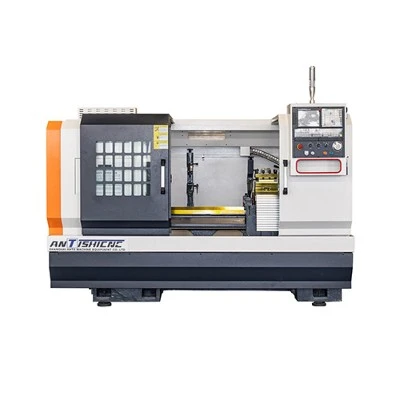
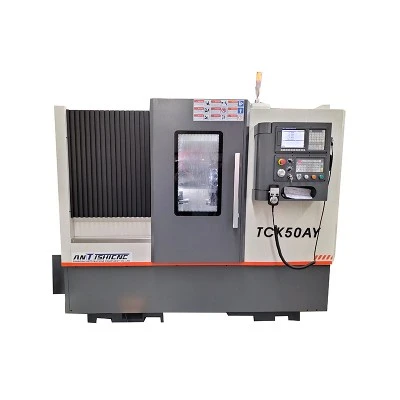
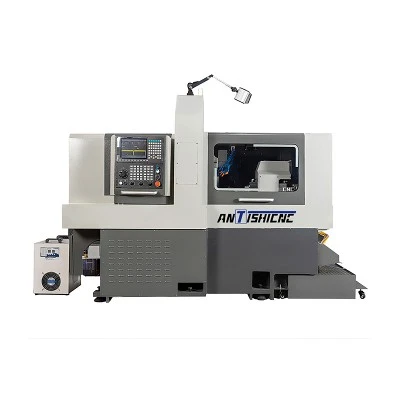
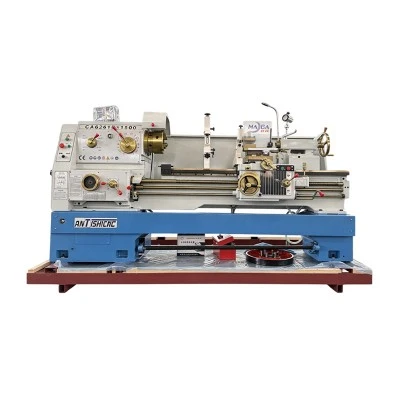

As a supplier of horizontal CNC lathes, I understand the paramount importance of safety features in these machines. Horizontal CNC lathes are widely used in various industries for precision machining, and ensuring the safety of operators and the longevity of the equipment is our top priority. In this blog, I will discuss the essential safety features that a horizontal CNC lathe should have.
Emergency Stop Buttons
One of the most critical safety features of any industrial machine is the emergency stop button. Horizontal CNC lathes should be equipped with clearly marked and easily accessible emergency stop buttons. These buttons allow operators to immediately halt all machine operations in case of an emergency, such as a tool breakage, a workpiece getting jammed, or any other hazardous situation. The emergency stop function should be designed to cut off power to all moving parts of the lathe, including the spindle, axes, and coolant system, ensuring the safety of the operator and preventing further damage to the machine.
Enclosures and Guards
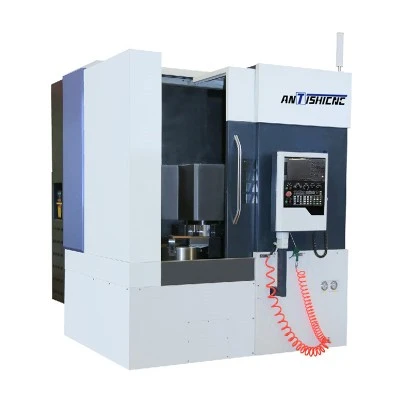
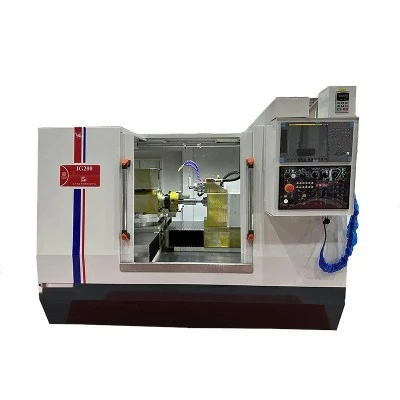
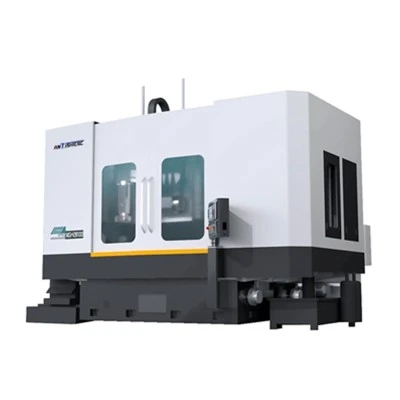
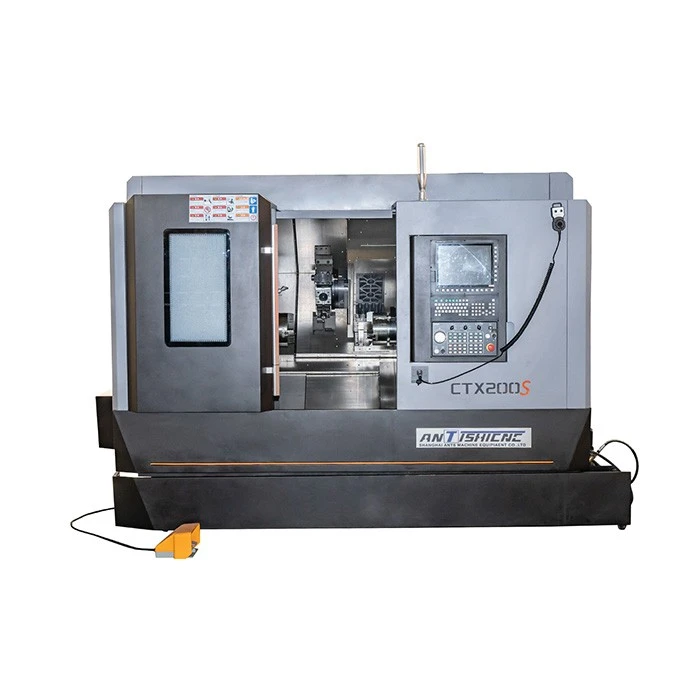
Enclosures and guards are essential for protecting operators from moving parts, flying chips, and coolant splashes. A horizontal CNC lathe should be enclosed in a sturdy cabinet that prevents unauthorized access to the working area. The enclosure should be made of high - strength materials and have transparent viewing windows that allow operators to monitor the machining process without compromising safety.
In addition to the main enclosure, there should be guards around the spindle, chuck, and other moving components. These guards prevent operators from accidentally coming into contact with rotating parts, which can cause serious injuries. For example, a spindle guard can prevent loose clothing or jewelry from getting caught in the spinning spindle.
Interlock Systems
Interlock systems are used to ensure that certain operations cannot be performed unless specific safety conditions are met. For instance, the door of the lathe enclosure should be interlocked with the machine's control system. If the door is opened during operation, the machine should automatically stop all movement to prevent the operator from being exposed to the moving parts.
Interlocks can also be installed on access panels for maintenance purposes. When an access panel is opened, the machine should shut down to prevent accidental activation of the machine while maintenance is being carried out. This helps to protect maintenance personnel from potential hazards.
Anti - Collision Systems
Horizontal CNC lathes often operate at high speeds and with complex tool paths. Anti - collision systems are designed to prevent collisions between the tool, workpiece, and other machine components. These systems use sensors to detect the position of the tool and workpiece in real - time. If a potential collision is detected, the system can automatically stop the machine or adjust the tool path to avoid the collision.
For example, some anti - collision systems use laser sensors to measure the distance between the tool and the workpiece. If the distance becomes too small, indicating a possible collision, the system will take appropriate action. This not only protects the machine and the workpiece but also reduces the risk of injury to the operator.
Tool Breakage Detection
Tool breakage can lead to a variety of problems, including poor surface finish, damage to the workpiece, and potential safety hazards. Tool breakage detection systems are used to monitor the condition of the cutting tools during operation. These systems can use acoustic sensors, force sensors, or other methods to detect when a tool has broken.
Once a tool breakage is detected, the machine can be programmed to stop automatically, preventing the damaged tool from causing further damage to the workpiece or the machine. This also allows the operator to replace the broken tool in a timely manner, reducing downtime and improving productivity.
Safety Training and Documentation
While the physical safety features of a horizontal CNC lathe are crucial, proper safety training and documentation are also essential. As a supplier, we provide comprehensive safety training to our customers' operators. This training covers topics such as machine operation, safety procedures, and emergency response.
We also supply detailed user manuals that include safety instructions, maintenance guidelines, and troubleshooting information. The manuals are written in a clear and easy - to - understand language, and they are an important resource for operators and maintenance personnel.

Coolant Safety
Coolant is used in horizontal CNC lathes to reduce heat and improve the machining process. However, coolant can also pose safety risks. Coolant systems should have proper filtration and containment measures. The coolant should be stored in a sealed tank to prevent spills, and there should be a system in place to collect and recycle the coolant.
In addition, operators should be provided with appropriate personal protective equipment (PPE) when handling coolant, such as gloves and goggles. This helps to prevent skin and eye irritation caused by contact with the coolant.
Electrical Safety
Electrical safety is of utmost importance in a horizontal CNC lathe. The machine should be properly grounded to prevent electrical shocks. All electrical components should be enclosed in protective cabinets, and there should be circuit breakers and fuses to protect against over - current and short - circuits.
Regular electrical inspections should be carried out to ensure that all electrical connections are secure and that there are no signs of wear or damage. This helps to prevent electrical fires and other safety hazards.
Chip Management
During the machining process, a large amount of chips are generated. These chips can be sharp and pose a safety risk to operators. A horizontal CNC lathe should have an effective chip management system. This can include a chip conveyor that removes the chips from the working area and transports them to a collection bin.
The chip conveyor should be designed to prevent chips from clogging the system and should be easy to clean. By keeping the working area free of chips, the risk of injuries from stepping on or handling sharp chips is reduced.
Conclusion
In conclusion, a horizontal CNC lathe should be equipped with a comprehensive set of safety features to protect operators, prevent damage to the machine, and ensure efficient and reliable operation. From emergency stop buttons and enclosures to anti - collision systems and tool breakage detection, each safety feature plays a vital role in the overall safety of the machine.
If you are in the market for a horizontal CNC lathe, Horizontal CNC Turning offers a wide range of high - quality machines with all the necessary safety features. We also have Slant Lathe and CNC Turn Mill Center Machine options available to meet your specific machining needs.
We are committed to providing our customers with the best products and services. If you are interested in learning more about our horizontal CNC lathes or have any questions regarding safety features, please feel free to contact us for a detailed discussion. We look forward to working with you to find the perfect solution for your machining requirements.
References
- "CNC Machine Tool Safety Standards", International Organization for Standardization (ISO)
- "Industrial Machine Safety Handbook", American National Standards Institute (ANSI)
- "Safety Guidelines for CNC Lathe Operations", National Institute for Occupational Safety and Health (NIOSH)


