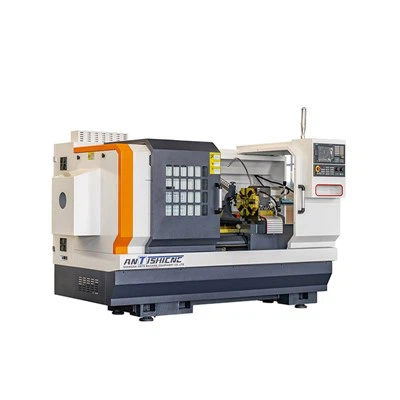
As a supplier of CNC ironworkers, I often get asked about the environmental requirements for operating these powerful machines. In this blog post, I'll explore the various environmental factors that need to be considered when running a CNC ironworker and how they can impact the machine's performance and longevity.
Temperature and Humidity
One of the most critical environmental factors for operating a CNC ironworker is temperature. These machines are designed to operate within a specific temperature range, typically between 10°C and 40°C (50°F and 104°F). Operating the machine outside of this range can lead to a variety of issues, including reduced accuracy, increased wear and tear on components, and even damage to the machine's electronics.
High temperatures can cause the machine's hydraulic fluid to break down more quickly, leading to increased friction and wear on the hydraulic system. This can result in reduced performance and a shorter lifespan for the machine. On the other hand, low temperatures can cause the hydraulic fluid to thicken, making it more difficult for the machine to operate smoothly. This can also lead to increased wear and tear on the hydraulic system and other components.
Humidity is another important environmental factor to consider. High humidity levels can cause corrosion and rust on the machine's metal components, which can lead to reduced performance and a shorter lifespan. In addition, high humidity can also cause electrical problems, such as short circuits and malfunctions. To prevent these issues, it's important to keep the machine in a dry environment and to use a dehumidifier if necessary.
Air Quality
The air quality in the environment where the CNC ironworker is operating can also have a significant impact on the machine's performance and longevity. Dust, dirt, and other airborne particles can accumulate on the machine's components, causing increased wear and tear and reducing the machine's accuracy. In addition, these particles can also clog the machine's filters and ventilation systems, leading to overheating and other problems.
To prevent these issues, it's important to keep the machine in a clean environment and to use a dust collector or other air filtration system to remove airborne particles. In addition, it's also important to regularly clean the machine's components and filters to prevent the buildup of dust and dirt.


Noise and Vibration
CNC ironworkers are powerful machines that can generate a significant amount of noise and vibration during operation. This can not only be a nuisance to operators and other workers in the area, but it can also have a negative impact on the machine's performance and longevity.
Excessive noise and vibration can cause the machine's components to loosen or become misaligned, leading to reduced accuracy and increased wear and tear. In addition, it can also cause fatigue and stress on operators, which can lead to safety issues. To reduce noise and vibration, it's important to use proper mounting and isolation techniques when installing the machine. In addition, it's also important to use vibration dampeners and other noise-reducing measures to minimize the impact of the machine's operation on the surrounding environment.
Power Supply
The power supply to the CNC ironworker is another important environmental factor to consider. These machines require a stable and reliable power supply to operate properly. Fluctuations in voltage or frequency can cause the machine to malfunction or even damage the machine's electronics.
To ensure a stable and reliable power supply, it's important to use a dedicated circuit for the machine and to install a voltage regulator or other power conditioning equipment if necessary. In addition, it's also important to regularly check the power supply to the machine to ensure that it's within the recommended range.
Maintenance and Care
In addition to the environmental factors discussed above, proper maintenance and care are also essential for ensuring the long-term performance and reliability of a CNC ironworker. Regular maintenance can help to prevent problems before they occur and can extend the lifespan of the machine.
Some of the key maintenance tasks for a CNC ironworker include:
- Lubrication: Regularly lubricating the machine's moving parts can help to reduce friction and wear, and can extend the lifespan of the components.
- Cleaning: Regularly cleaning the machine's components and filters can help to prevent the buildup of dust and dirt, and can improve the machine's performance.
- Inspection: Regularly inspecting the machine's components for signs of wear, damage, or other problems can help to identify issues before they become serious.
- Calibration: Regularly calibrating the machine's sensors and other components can help to ensure that the machine is operating accurately and efficiently.
Conclusion
In conclusion, there are several environmental requirements that need to be considered when operating a CNC ironworker. Temperature, humidity, air quality, noise, vibration, power supply, and maintenance are all important factors that can impact the machine's performance and longevity. By taking these factors into account and implementing proper environmental controls and maintenance procedures, you can ensure that your CNC ironworker operates reliably and efficiently for many years to come.
If you're in the market for a CNC ironworker, we offer a wide range of high-quality machines to meet your needs. Check out our Ironworker Hole Punch, Bantam Ironworker, and 65 Ton Ironworker for more information. We're always happy to answer any questions you may have and to help you find the right machine for your application. Contact us today to start the procurement and negotiation process.
References
- Manufacturer's manuals for CNC ironworkers.
- Industry standards and guidelines for machine operation and environmental conditions.
- Technical articles and research papers on the impact of environmental factors on industrial machinery.