


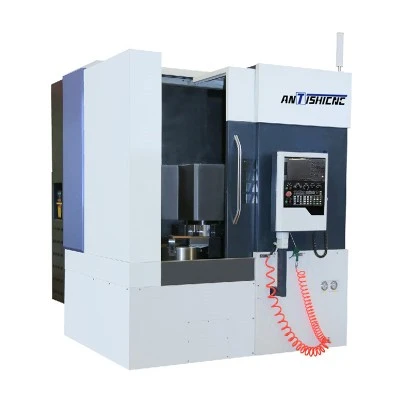
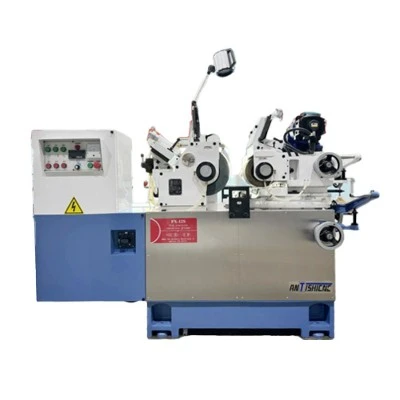
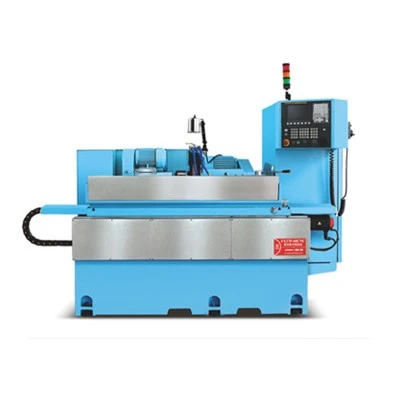
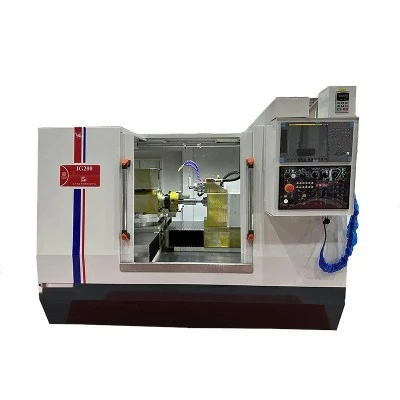

Hey there! I'm a supplier of Mini Ironworkers, and I often get asked if these nifty machines can be exported to other countries. Well, the short answer is yes, but there's a lot more to it than that. In this blog post, I'll break down the ins and outs of exporting Mini Ironworkers, sharing my experiences and insights along the way.
Why Export Mini Ironworkers?
First off, let's talk about why exporting Mini Ironworkers makes sense. These machines are incredibly versatile. They can punch, shear, notch, and bend metal, making them a must - have for metalworking shops, construction sites, and even DIY enthusiasts around the world.
In many countries, there's a growing demand for small - scale metalworking equipment. Mini Ironworkers are compact, easy to operate, and relatively affordable compared to larger industrial machines. This makes them a great option for businesses looking to expand their capabilities without breaking the bank.
For example, in developing countries, small - scale metal fabrication is on the rise. Mini Ironworkers can help local businesses create everything from gates and fences to custom metal parts. In more developed economies, these machines are popular among hobbyists and small workshops that need a reliable and efficient way to work with metal.
The Export Process
Exporting Mini Ironworkers involves several steps. The first is to understand the regulations and requirements of both your home country and the target market. In my experience, it's crucial to do your homework on this front.
Regulations and Compliance
Each country has its own set of rules regarding the import of machinery. You need to ensure that your Mini Ironworkers meet all the safety and quality standards of the destination country. This might involve getting certain certifications, like CE for the European market or UL for the United States.
In addition to product - specific regulations, there are also customs and trade regulations to consider. You'll need to fill out the necessary paperwork, including commercial invoices, packing lists, and certificates of origin. It's a good idea to work with a freight forwarder or customs broker who can help you navigate these requirements.


Shipping and Logistics
Once you've sorted out the regulations, the next step is to figure out how to get your Mini Ironworkers to their destination. Shipping can be a complex process, but there are a few options available.
For smaller orders, air freight might be a good choice. It's fast, but it can also be expensive. Sea freight is a more cost - effective option for larger shipments. You can choose between full container loads (FCL) or less - than - container loads (LCL), depending on the size of your order.
When shipping, it's important to package your Mini Ironworkers properly to prevent damage during transit. I usually use sturdy wooden crates or pallets and make sure to secure the machines inside with padding and straps.
Our Product Range
At our company, we offer a variety of Mini Ironworkers to suit different needs. We have 40 Ton Ironworker, which is perfect for light - to - medium - duty metalworking tasks. It's compact and easy to move around, making it a great choice for small workshops or on - site jobs.
If you need a bit more power, our 55 Ton Ironworker is a step up. It can handle thicker and larger pieces of metal, allowing you to take on more challenging projects.
For heavy - duty applications, we also have the 100 Ton Ironworker. This beast of a machine is built to last and can tackle the toughest metalworking jobs with ease.
Market Challenges and Opportunities
Of course, exporting Mini Ironworkers isn't without its challenges. One of the biggest hurdles is competition. There are many other suppliers out there, both domestic and international, vying for the same customers. To stand out, you need to offer high - quality products, excellent customer service, and competitive pricing.
Another challenge is cultural and language differences. When dealing with customers from different countries, it's important to be sensitive to their cultural norms and communication styles. This can help build trust and long - term relationships.
However, there are also plenty of opportunities in the global market. As mentioned earlier, the demand for Mini Ironworkers is growing in many parts of the world. By targeting emerging markets and niche industries, you can find new customers and expand your business.
Building Relationships with International Customers
Building relationships with international customers is key to successful exporting. I always make an effort to understand my customers' needs and provide them with personalized solutions. This might involve offering custom - made Mini Ironworkers or providing after - sales support.
One way to build relationships is through trade shows and industry events. These are great opportunities to meet potential customers face - to - face, showcase your products, and learn about the latest trends in the market.
Another important aspect is communication. I make sure to respond to my customers' inquiries promptly and keep them updated on the status of their orders. Good communication helps build trust and ensures a smooth transaction.
Conclusion
So, can a Mini Ironworker be exported to other countries? Absolutely! With the right approach, you can tap into the global market and grow your business. It takes some effort to understand the regulations, navigate the export process, and build relationships with international customers, but the rewards can be well worth it.
If you're interested in our Mini Ironworkers or have any questions about exporting, don't hesitate to reach out. We're here to help you find the right machine for your needs and make the export process as smooth as possible. Let's start a conversation and see how we can work together to take your metalworking business to the next level.
References
- Industry reports on global metalworking equipment market
- Personal experiences and case studies from exporting Mini Ironworkers


