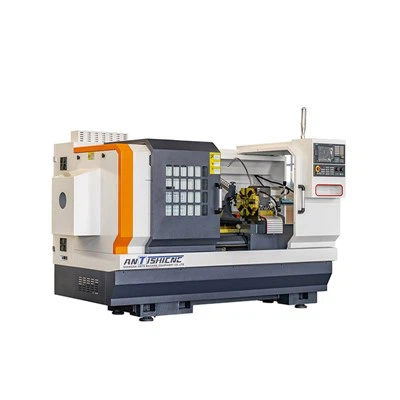
In the world of metal fabrication and construction, the choice of equipment can significantly impact the efficiency and quality of projects. One such piece of equipment that often sparks debate is the mini ironworker. As a supplier of Mini Ironworker, I've had numerous conversations with clients about its capabilities and suitability for different scales of projects. In this blog, I'll explore whether a mini ironworker can be effectively used for both small - scale and large - scale projects.
Understanding the Mini Ironworker
Before delving into its application across project scales, it's essential to understand what a mini ironworker is. A mini ironworker is a compact, versatile machine designed for cutting, punching, notching, and bending various types of metal. It is characterized by its relatively small size, portability, and lower power consumption compared to larger ironworkers, such as the 50 Ton Ironworker or CNC Ironworker.
Suitability for Small - Scale Projects
Small - scale projects, such as DIY metalworking, small - business fabrication, and on - site repairs, can greatly benefit from the use of a mini ironworker.
Portability and Space Efficiency
One of the primary advantages of a mini ironworker for small - scale projects is its portability. Many mini ironworkers are designed to be easily moved around a workshop or even transported to different job sites. This is particularly useful for contractors who need to perform metal fabrication on - site, such as installing metal brackets or making minor repairs. Additionally, their compact size means they take up less space in a workshop, making them ideal for small businesses or hobbyists with limited workspace.
Cost - Effectiveness
Cost is often a significant consideration for small - scale projects. Mini ironworkers are generally more affordable than their larger counterparts, both in terms of the initial purchase price and ongoing operating costs. They require less power to operate, which can result in lower electricity bills. Moreover, their simplicity in design means they are often easier and less expensive to maintain.
Versatility
Despite their small size, mini ironworkers are surprisingly versatile. They can perform a variety of tasks, including punching holes in metal sheets, cutting angles and flat bars, and notching metal profiles. This versatility allows small - scale fabricators to complete multiple tasks with a single machine, eliminating the need to invest in several specialized pieces of equipment.
For example, a small - scale metal artist creating custom jewelry or decorative metal pieces can use a mini ironworker to punch holes for rivets, cut small pieces of metal, and bend wire into various shapes. Similarly, a local contractor doing small - scale construction projects can use it to fabricate metal brackets, supports, and other components on - site.
Challenges in Large - Scale Projects
While mini ironworkers have many advantages for small - scale projects, they face several challenges when it comes to large - scale applications.


Limited Capacity
One of the most significant limitations of a mini ironworker is its limited capacity. It typically has a lower punching force and cutting capacity compared to larger ironworkers. In large - scale projects, such as the construction of high - rise buildings or large industrial structures, there is often a need to work with thick and large - sized metal materials. A mini ironworker may not be able to handle the heavy - duty tasks required, such as punching large holes in thick steel plates or cutting through large - diameter bars.
Speed and Productivity
Large - scale projects often require high - speed and high - volume production. Mini ironworkers, due to their smaller size and lower power, may not be able to operate at the same speed as larger machines. This can result in longer production times and lower overall productivity, which can be a significant drawback in projects with tight deadlines.
Precision and Consistency
In large - scale projects, precision and consistency are crucial. While mini ironworkers can provide a reasonable level of accuracy for small - scale work, they may struggle to maintain the same level of precision and consistency over a large number of repeated operations. Larger ironworkers, especially those equipped with advanced control systems like the CNC Ironworker, can offer greater precision and repeatability, which is essential for ensuring the quality of large - scale fabrications.
Potential Solutions for Using Mini Ironworkers in Large - Scale Projects
Although mini ironworkers have limitations in large - scale projects, there are some scenarios where they can still be utilized effectively.
Supplementary Role
In large - scale projects, a mini ironworker can be used in a supplementary role. For example, it can be employed for pre - fabrication tasks, such as punching small holes or making minor cuts on smaller metal components before they are incorporated into the main structure. This can help to free up the larger, more powerful ironworkers for the heavy - duty tasks, thereby increasing overall productivity.
Small - Batch Fabrication
In some large - scale projects, there may be a need for small - batch fabrication of custom - made components. A mini ironworker can be an ideal choice for these tasks, as it allows for quick and cost - effective production of small quantities of parts.
Case Studies
To further illustrate the use of mini ironworkers in different project scales, let's look at a couple of case studies.
Small - Scale Project: Local Metal Shop
A local metal shop specializing in custom - made metal furniture decided to invest in a mini ironworker. The shop had limited space and a relatively small budget. With the mini ironworker, they were able to punch holes in metal tubes for assembling frames, cut metal sheets for tabletops, and bend metal bars for decorative elements. The portability of the machine also allowed them to take it to customer sites for on - site repairs and modifications. As a result, they were able to increase their productivity and offer a wider range of services to their customers at a lower cost.
Large - Scale Project: Industrial Construction
A large industrial construction project was building a new factory. The main ironworkers were used for the heavy - duty tasks, such as punching large holes in thick steel beams and cutting large - diameter pipes. However, for the fabrication of small - scale components, such as metal brackets and supports, a mini ironworker was used. This helped to streamline the production process and ensure that the smaller parts were fabricated efficiently without overloading the larger machines.
Conclusion
In conclusion, a mini ironworker is an excellent choice for small - scale projects due to its portability, cost - effectiveness, and versatility. While it has limitations in large - scale projects, it can still play a valuable supplementary role in certain situations.
If you're considering investing in an ironworker for your projects, it's important to carefully evaluate your specific needs, including the scale of your projects, the types of metal materials you'll be working with, and your budget. Whether you're a small - scale fabricator or involved in large - scale construction, I'm here to help you make the right choice. If you have any questions or would like to discuss your requirements further, please don't hesitate to reach out. We can work together to determine if a Mini Ironworker is the best fit for your projects.
References
- "Metal Fabrication Handbook", Industrial Press Inc.
- "Hydraulic Machinery in Metalworking", McGraw - Hill Education