


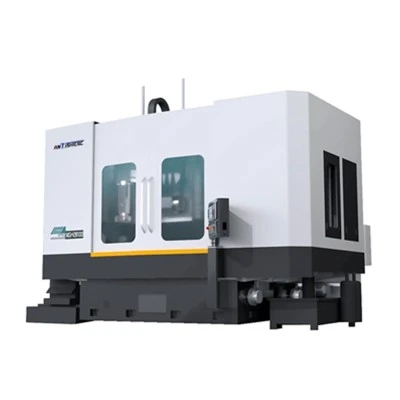
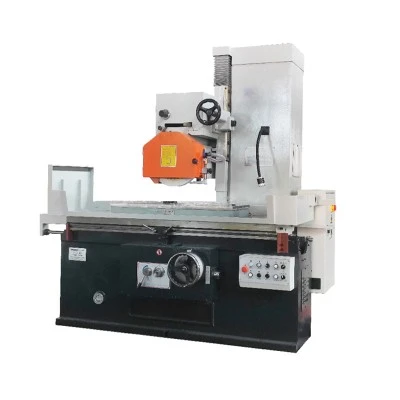
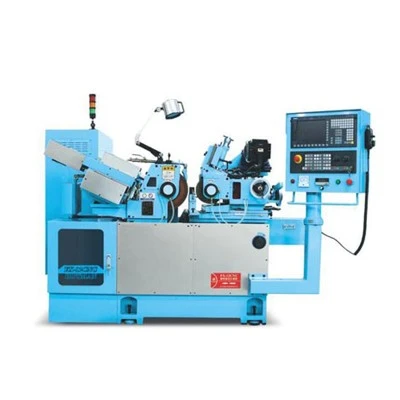
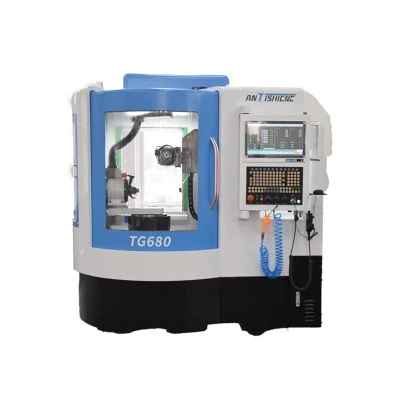

When it comes to metal fabrication and construction projects, a hydraulic ironworker is an invaluable tool. As a supplier of hydraulic ironworkers, I often get asked by potential customers whether these machines require a lot of space. This is a crucial question, especially for small workshops or sites with limited floor area. In this blog, I'll delve into the space requirements of hydraulic ironworkers, considering different types and their operational needs.
Understanding Hydraulic Ironworkers
Before discussing space requirements, let's briefly understand what a hydraulic ironworker is. A hydraulic ironworker is a versatile machine used for various metalworking tasks such as punching, shearing, notching, and bending. It leverages hydraulic power to perform these operations efficiently, making it a staple in many metal fabrication shops, construction sites, and manufacturing facilities.
Factors Affecting Space Requirements
Machine Size and Type
One of the primary factors influencing the space needed for a hydraulic ironworker is its size and type. Hydraulic ironworkers come in different sizes and capacities to cater to various industrial needs.
- Large - Capacity Ironworkers: High - capacity machines, like the 65 Ton Ironworker, are designed to handle heavy - duty tasks. They typically have larger frames, bigger hydraulic systems, and more substantial worktables. Due to their size, they require a significant amount of floor space. These machines are often used in large - scale manufacturing plants or construction yards where there is ample room to accommodate them.
- CNC Ironworkers: CNC Ironworkers are equipped with computer numerical control technology, which allows for precise and automated operations. In addition to the physical size of the machine itself, they may also require additional space for control panels, monitoring equipment, and operator access. The programming and operation of CNC ironworkers often involve a certain level of comfort and accessibility for the operator, which means more space around the machine is necessary.
- Mini Ironworkers: On the other end of the spectrum, Mini Ironworkers are compact and lightweight. They are ideal for small workshops, maintenance shops, or on - site jobs where space is limited. These machines are designed to perform basic metalworking tasks with a smaller footprint, making them a great option for those with space constraints.
Workspace for Material Handling
Another important aspect to consider is the space required for material handling. Hydraulic ironworkers are used to process various types of metal materials, such as bars, sheets, and angles. You need to have enough space to load the materials onto the machine, maneuver them during the operation, and unload the finished products.
For example, if you are working with long metal bars, you'll need a clear area in front of and behind the machine to feed the bars through the punching or shearing stations. Similarly, when working with large metal sheets, you'll need a flat and spacious area to lay them out and move them around safely.
Operator Movement and Safety
Operator safety is of utmost importance in any industrial setting. A hydraulic ironworker requires sufficient space for the operator to move around comfortably and perform tasks safely. The operator needs to be able to access all the controls, adjust the workpieces, and perform maintenance tasks without feeling cramped.
In addition, safety regulations often mandate a certain amount of clearance around the machine to prevent accidents. This includes space for emergency exits, access to safety devices, and room for the operator to step back in case of an emergency.
Space Requirements in Different Settings
Small Workshops
In a small workshop, space is at a premium. If you are considering a hydraulic ironworker for a small workshop, a mini ironworker is likely the best choice. These machines can be placed in a corner or against a wall, taking up minimal floor space. You can also optimize the use of space by using wall - mounted storage for tools and materials.


However, even with a mini ironworker, you still need to ensure that there is enough space for material handling and operator movement. You may need to plan your workshop layout carefully to make the most of the available space.
Large Manufacturing Plants
Large manufacturing plants usually have more space available, but they also need to consider the overall efficiency of the production line. When installing a large - capacity or CNC ironworker, the plant managers need to plan the layout to ensure smooth material flow and easy access for maintenance.
In these settings, the ironworker is often integrated into a larger production system, which means that additional space may be required for conveyor systems, robotic arms, or other automated equipment.
Tips for Saving Space
If you are dealing with limited space but still need a hydraulic ironworker, here are some tips to help you save space:
- Choose the Right Machine: As mentioned earlier, select a machine that is appropriate for your needs and the available space. A mini ironworker may be the best option for small workshops, while a large - capacity machine may be necessary for heavy - duty tasks in larger facilities.
- Optimize the Layout: Plan your workshop layout carefully to make the most of the available space. Consider the flow of materials and the movement of operators when placing the machine. You can also use vertical storage solutions to save floor space.
- Use Mobile Equipment: If possible, use mobile hydraulic ironworkers. These machines can be moved around the workshop as needed, allowing you to use the space more efficiently.
Conclusion
In conclusion, whether a hydraulic ironworker requires a lot of space depends on several factors, including the machine type, material handling needs, and operator safety requirements. While large - capacity and CNC ironworkers generally require more space, mini ironworkers are a great option for those with limited floor area.
If you are in the market for a hydraulic ironworker and have questions about space requirements or which machine is right for you, feel free to contact us. Our team of experts is ready to assist you in making the best choice for your specific needs. We can provide detailed information about the dimensions of our machines, help you plan your workshop layout, and offer advice on optimizing space. Don't hesitate to reach out to us for a consultation and let's start discussing your procurement options.
References
- Metal Fabrication Handbook: A Guide to Industrial Metalworking Processes
- Safety Standards for Hydraulic Machinery in Manufacturing
- Space - Saving Strategies for Small - Scale Metalworking Workshops


