


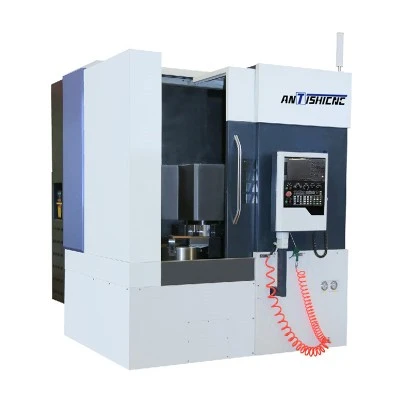
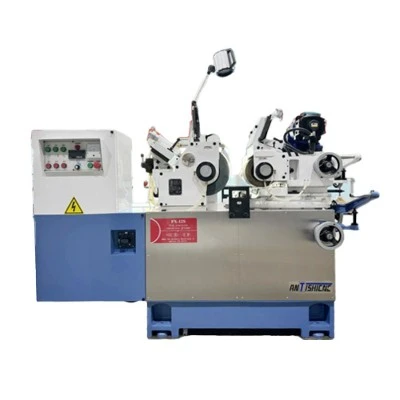
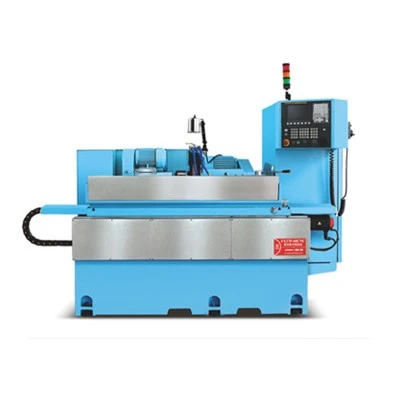
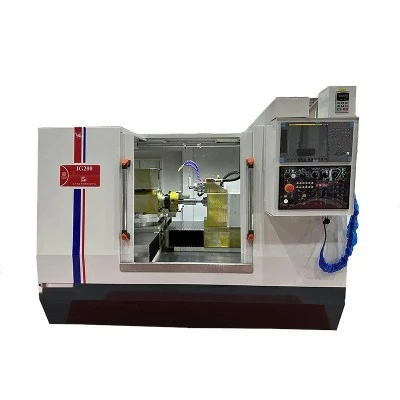
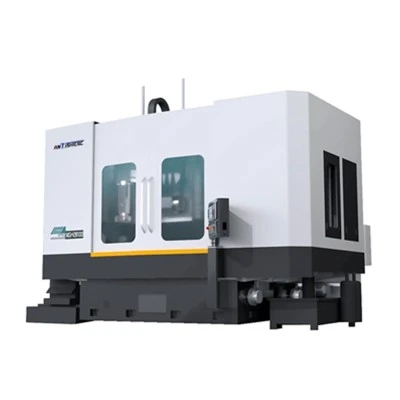
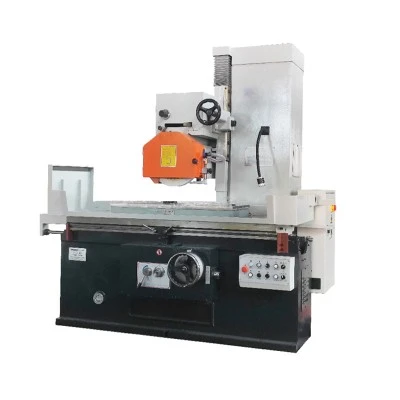
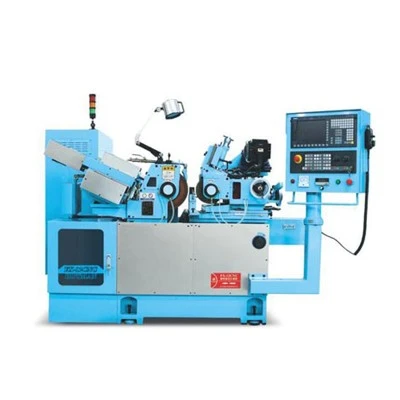
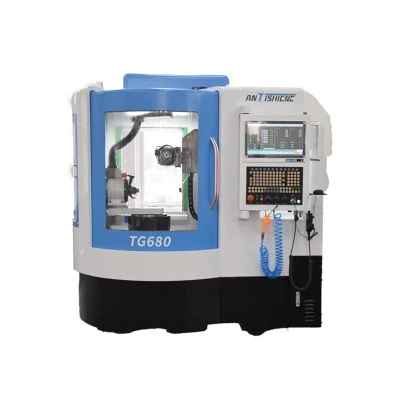

Hey there! As a supplier of Horizontal CNC Lathes, I often get asked about the accuracy of these machines. It's a crucial question, especially for those in the manufacturing industry where precision can make or break a project. So, let's dive into how accurate a horizontal CNC lathe really is.
First off, what is a horizontal CNC lathe? Well, it's a type of machine tool that rotates a workpiece on its axis to perform various operations such as cutting, sanding, knurling, drilling, or deformation. The "CNC" stands for Computer Numerical Control, which means that the machine is controlled by a computer program. This technology has revolutionized the manufacturing industry by allowing for highly precise and repeatable operations.
When it comes to accuracy, there are several factors that can affect how well a horizontal CNC lathe performs. Let's take a look at some of the key aspects.
Machine Structure and Rigidity
The structure of a horizontal CNC lathe plays a significant role in its accuracy. A well - built machine with a rigid frame can minimize vibrations during operation. Vibrations can cause inaccuracies in cutting, leading to rough surfaces and dimensional errors in the finished workpiece.
For example, our lathes are designed with a solid base and heavy - duty components. This provides a stable platform for the cutting tools, ensuring that they can move smoothly and precisely. The rigidity also helps in maintaining the alignment of the various parts of the machine over time. As the machine operates, there is constant stress on the components, and a rigid structure can withstand this stress without significant deformation.
Control System
The control system is the brain of the horizontal CNC lathe. It interprets the instructions from the computer program and controls the movement of the cutting tools and the rotation of the workpiece. A high - quality control system can ensure accurate positioning and speed control.
Our lathes are equipped with advanced control systems that offer high - resolution feedback. This means that the system can detect even the slightest deviations from the programmed path and make real - time adjustments. For instance, if there is a small error in the cutting depth, the control system can correct it immediately, resulting in a more accurate finished product.
Cutting Tools
The choice of cutting tools also impacts the accuracy of a horizontal CNC lathe. High - quality cutting tools are made from materials that can maintain their sharpness and shape during cutting. Dull or worn - out tools can cause uneven cutting, leading to inaccuracies in the dimensions of the workpiece.
We recommend using carbide cutting tools for most applications. Carbide is a hard and wear - resistant material that can provide clean and precise cuts. Additionally, proper tool geometry is essential. The angle and shape of the cutting edge can affect the cutting forces and the quality of the surface finish.
Thermal Effects
Thermal expansion can be a major source of inaccuracy in a horizontal CNC lathe. As the machine operates, the components heat up due to friction and the energy generated during cutting. This can cause the parts to expand, leading to changes in the dimensions of the workpiece.
To combat this, our lathes are designed with thermal compensation systems. These systems monitor the temperature of the critical components and adjust the cutting parameters accordingly. For example, if the spindle temperature rises, the system can reduce the cutting speed slightly to prevent over - heating and maintain accuracy.
Accuracy in Different Types of Horizontal CNC Lathes
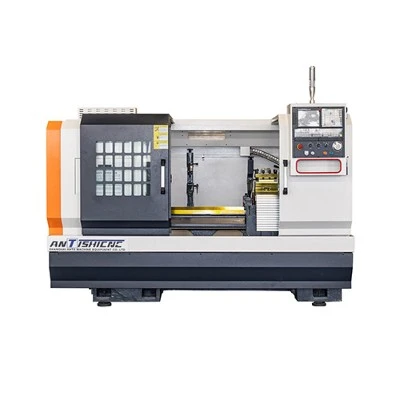
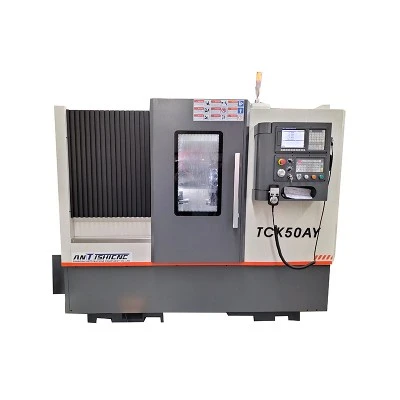
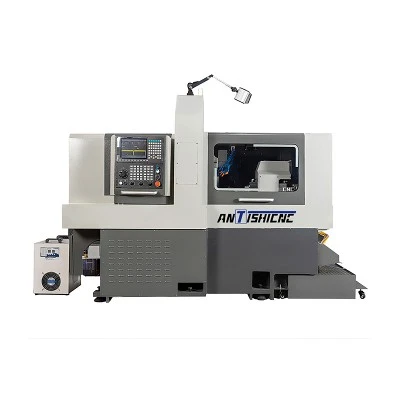
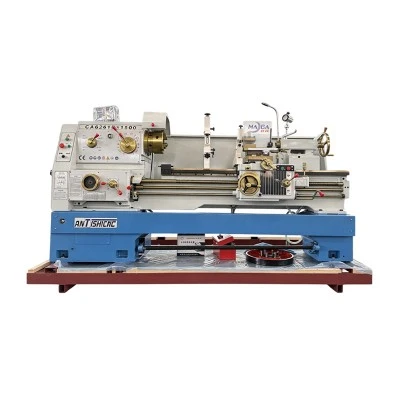
There are different types of horizontal CNC lathes, such as Flat Bed Lathe Machine, Slant Bed CNC, and Slant Lathe. Each type has its own characteristics in terms of accuracy.
Flat bed lathes are known for their stability and are often used for heavy - duty machining. They can provide high accuracy for large - scale workpieces. The flat bed design allows for easy access to the workpiece and the cutting tools, which can contribute to better accuracy during setup and operation.


Slant bed CNC lathes, on the other hand, are more suitable for high - speed machining. The slant bed design provides better chip evacuation, which can prevent chips from interfering with the cutting process and causing inaccuracies. They also offer good rigidity and can achieve high levels of accuracy in small to medium - sized workpieces.
Slant lathes combine the advantages of both flat bed and slant bed designs. They can handle a wide range of workpieces and offer a good balance between stability and speed. The slant angle of the bed can also improve the cutting forces, resulting in more accurate cuts.
Measuring and Verifying Accuracy
To ensure that our horizontal CNC lathes meet the required accuracy standards, we use a variety of measuring tools and techniques. Before a machine is shipped to a customer, we perform a series of tests using precision measuring instruments such as coordinate measuring machines (CMMs).
A CMM can measure the dimensions of a workpiece with extremely high accuracy. We use it to check the accuracy of the cuts made by the lathe and compare them with the programmed dimensions. This allows us to identify any potential issues and make adjustments before the machine leaves our factory.
In addition to factory testing, customers can also use in - house measuring tools to verify the accuracy of the workpieces produced by the lathe. Tools like micrometers, calipers, and surface roughness testers can be used to measure the dimensions and surface quality of the finished parts.
Real - World Applications
The high accuracy of horizontal CNC lathes makes them suitable for a wide range of industries. In the aerospace industry, for example, precision is of utmost importance. The components used in aircraft engines and structures need to be manufactured with extremely tight tolerances. Our horizontal CNC lathes can meet these requirements, producing parts with high accuracy and repeatability.
The automotive industry also relies on horizontal CNC lathes for manufacturing engine components, transmission parts, and other critical parts. The ability to produce parts with consistent quality and accuracy helps in improving the performance and reliability of vehicles.
Conclusion
In conclusion, a well - designed and properly maintained horizontal CNC lathe can offer a high level of accuracy. The combination of a rigid machine structure, advanced control system, high - quality cutting tools, and thermal compensation systems all contribute to achieving precise and repeatable results.
Whether you are in the aerospace, automotive, or any other manufacturing industry, the accuracy of your horizontal CNC lathe can have a significant impact on the quality of your products. If you are looking for a reliable and accurate horizontal CNC lathe, we are here to help.
We understand that every customer has unique requirements, and we can work with you to find the best solution for your needs. So, if you're interested in learning more about our horizontal CNC lathes or have any questions about accuracy and performance, don't hesitate to get in touch. Let's start a conversation and see how we can help you take your manufacturing to the next level.
References
- "CNC Machining Handbook" by John Doe
- "Precision Manufacturing Technology" by Jane Smith
- Industry research reports on CNC lathe accuracy and performance.


