



Hey there! I'm a supplier of traditional lathes, and I often get asked this question: "Can a traditional lathe be automated?" Well, let's dive right into it.
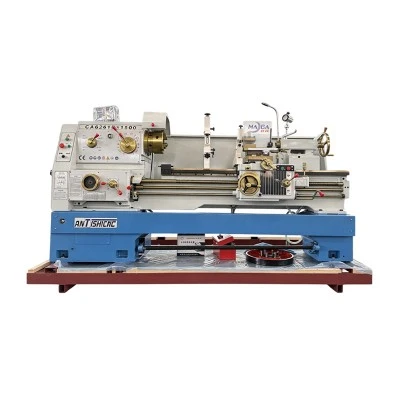
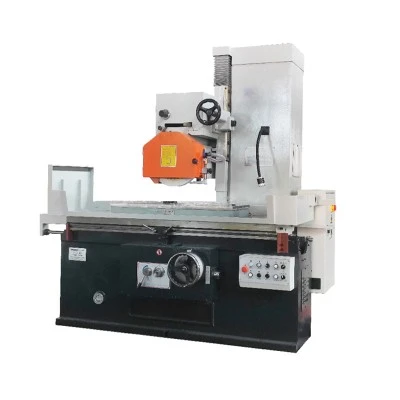
First off, what exactly is a traditional lathe? You know, those classic machines that have been around for ages. They're the workhorses of the machining world, used to shape all sorts of materials like metal, wood, and plastic. We've got different types in our inventory, like the Extra Heavy Duty Lathe Machine, the 7 Feet Lathe Machine, and the Parrallel Lathe Machine. These machines are reliable, but they do require a skilled operator to get the best results.
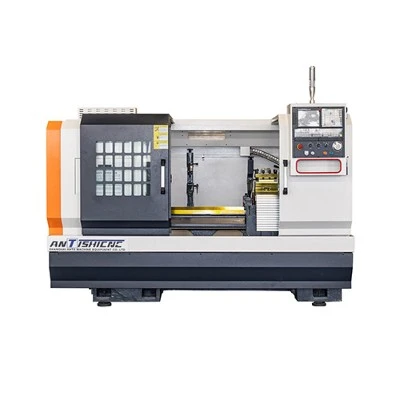
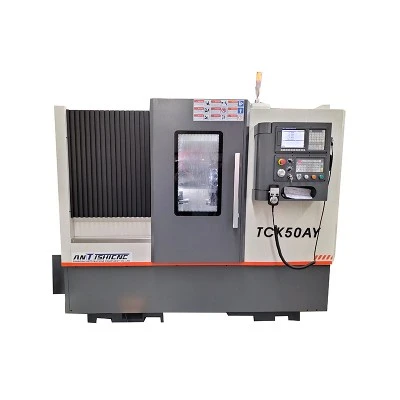
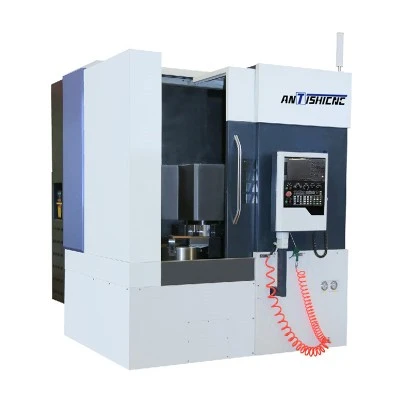
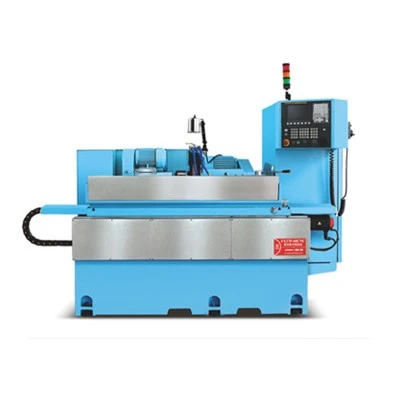
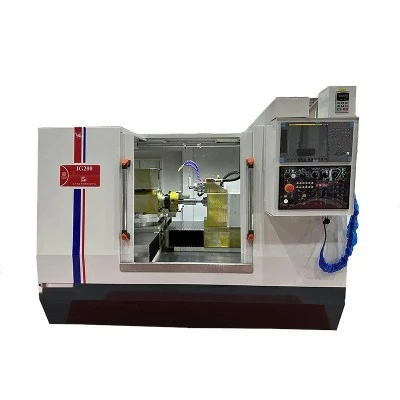
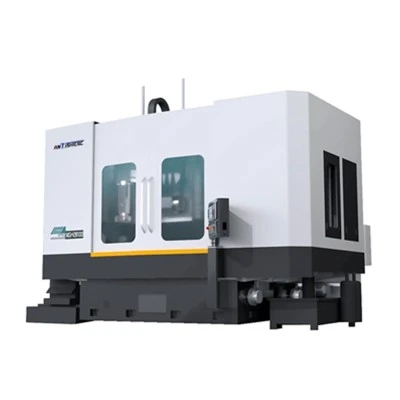
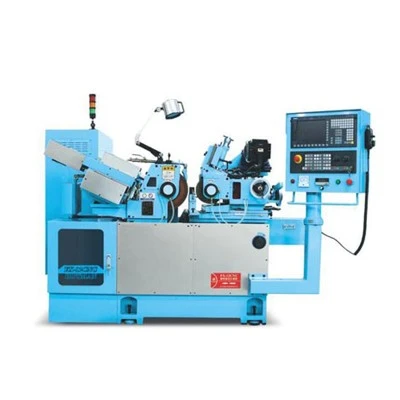
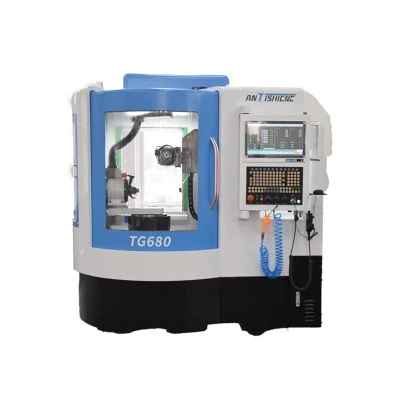
Now, the big question: can we turn these traditional lathes into automated ones? The short answer is yes, we can. There are a few ways to go about it. One option is to add some basic automation features to the existing lathe. For example, we can install a CNC (Computer Numerical Control) system. This system allows us to program the lathe to perform specific operations. You just input the commands into the computer, and the lathe does the rest. It can control things like the speed of the spindle, the movement of the cutting tool, and the depth of the cut.
Let's talk about the benefits of automating a traditional lathe. One of the biggest advantages is increased efficiency. With automation, the lathe can work continuously without breaks, reducing the production time. It can also perform repetitive tasks with high precision, which means fewer errors and better quality products. For instance, if you're making a large number of identical parts, an automated lathe can churn them out quickly and accurately.
Another benefit is that it reduces the need for highly skilled labor. While a skilled operator is still needed to set up the machine and monitor the process, the automation takes care of the detailed and repetitive work. This can be a big plus, especially in areas where finding skilled workers is a challenge.
But it's not all sunshine and rainbows. There are some challenges to automating a traditional lathe. One of the main issues is the cost. Adding a CNC system and other automation components can be quite expensive. You've got to factor in the cost of the hardware, the software, and the installation. And then there's the training cost for the operators to learn how to use the new system.
Another challenge is the complexity of the conversion. Not all traditional lathes are suitable for automation. Some older models may have mechanical limitations that make it difficult or impossible to retrofit them with modern automation technology. You need to have a good understanding of the lathe's design and capabilities before you start the conversion process.
Let's look at some real - world examples. There are many small and medium - sized manufacturing companies that have successfully automated their traditional lathes. Take a company that makes custom metal parts. They used to rely on manual lathes, which meant longer production times and higher costs. After automating their lathes, they were able to increase their production capacity by 50% and reduce their defect rate by 30%. This led to a significant increase in their profits and a better reputation in the market.
If you're thinking about automating your traditional lathe, here are some steps you can take. First, assess your needs. Figure out what kind of automation features you really need. Do you just need basic control over the cutting operations, or do you need more advanced features like automatic tool changing?
Next, do some research on different automation systems. There are many suppliers out there, each offering different features and price points. Look for reviews and case studies to see how well their systems work in real - world applications.
Once you've chosen a system, make sure you have a professional install it. A proper installation is crucial for the machine to work correctly and safely. And don't forget about training. Make sure your operators are well - trained to use the new system.


In conclusion, a traditional lathe can definitely be automated, and there are many benefits to doing so. However, it's important to weigh the costs and challenges against the potential rewards. If you're in the market for a traditional lathe or thinking about automating one, we're here to help. We've got a wide range of high - quality traditional lathes, and we can also provide advice on the best way to automate them. If you're interested in learning more or starting a purchase negotiation, feel free to reach out to us.
References
- "Manufacturing Automation: Principles and Applications" by David A. Dornfeld
- "CNC Programming Handbook" by Mark Linfield


