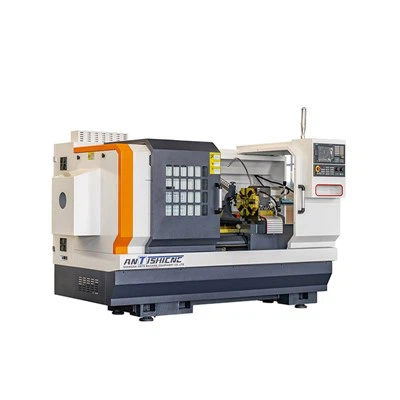
As a supplier of CNC Swiss lathes, I often get asked about how these amazing machines perform knurling operations. Knurling is a crucial machining process that adds a textured pattern to a workpiece, typically for better grip or aesthetic purposes. In this blog, I'll break down the ins and outs of how a CNC Swiss lathe handles knurling, sharing some tips and insights based on my experience in the industry.
Understanding the Basics of Knurling
Before we dive into how a CNC Swiss lathe does knurling, let's quickly go over what knurling is. Knurling involves creating a pattern of ridges or grooves on the surface of a workpiece. The most common patterns are straight, diagonal, and diamond-shaped. These patterns are made by pressing a knurling tool against the rotating workpiece.


The Role of a CNC Swiss Lathe in Knurling
A CNC Swiss lathe is a precision machine that's well-suited for knurling operations. It offers high accuracy and control, which are essential for creating consistent and high-quality knurled patterns. The lathe's ability to hold the workpiece firmly and rotate it at precise speeds ensures that the knurling tool can create the desired pattern without any issues.
Setting Up the CNC Swiss Lathe for Knurling
The first step in performing a knurling operation on a CNC Swiss lathe is setting it up correctly. This involves several key steps:
- Selecting the Right Knurling Tool: There are different types of knurling tools available, each designed for specific patterns and workpiece materials. You need to choose the right tool based on the pattern you want to create and the material of the workpiece. For example, if you're working with a soft material like aluminum, you might choose a different tool than if you're working with a hard material like steel.
- Mounting the Knurling Tool: Once you've selected the right tool, you need to mount it securely on the lathe. The tool should be aligned properly to ensure that it presses evenly against the workpiece during the knurling process.
- Securing the Workpiece: The workpiece needs to be securely clamped in the lathe's collet or chuck. This ensures that it rotates smoothly and doesn't move during the knurling operation. Any movement can result in an uneven or poorly formed knurled pattern.
- Programming the Lathe: You'll need to program the CNC Swiss lathe to control the speed of the spindle, the feed rate of the tool, and the depth of the knurling. These parameters are crucial for creating a high-quality knurled pattern. The programming can be done using the lathe's built-in control system or a separate CAM software.
Performing the Knurling Operation
Once the lathe is set up, you're ready to start the knurling operation. Here's how it typically works:
- Starting the Spindle: First, you'll start the spindle to rotate the workpiece at the programmed speed. The speed is usually determined by the material of the workpiece and the type of knurling tool you're using.
- Engaging the Knurling Tool: Next, you'll engage the knurling tool with the workpiece. The tool is gradually brought into contact with the rotating workpiece, applying pressure to create the knurled pattern. The pressure needs to be carefully controlled to avoid damaging the workpiece or the tool.
- Maintaining the Feed Rate: As the knurling tool creates the pattern, you need to maintain a consistent feed rate. The feed rate determines how fast the tool moves along the workpiece, and it affects the depth and quality of the knurled pattern.
- Monitoring the Process: Throughout the knurling operation, you need to monitor the process closely. Check the quality of the knurled pattern, the temperature of the workpiece, and the performance of the tool. If you notice any issues, you may need to adjust the parameters or stop the operation to make corrections.
Tips for a Successful Knurling Operation
Here are some tips to help you achieve a successful knurling operation on a CNC Swiss lathe:
- Use the Right Lubrication: Lubrication is important for reducing friction and heat during the knurling process. It helps to improve the quality of the knurled pattern and extend the life of the tool. Make sure to use the appropriate lubricant for the material of the workpiece and the type of knurling tool.
- Start with a Test Piece: Before knurling the actual workpiece, it's a good idea to start with a test piece. This allows you to fine-tune the parameters and ensure that you're getting the desired knurled pattern. You can make adjustments based on the results of the test piece before moving on to the final workpiece.
- Keep the Tool Sharp: A sharp knurling tool is essential for creating a clean and precise knurled pattern. Make sure to regularly check the condition of the tool and sharpen or replace it as needed.
- Control the Pressure: The pressure applied by the knurling tool is critical for creating a good knurled pattern. Too much pressure can damage the workpiece or the tool, while too little pressure may result in an incomplete or uneven pattern. Use a pressure gauge or a feeler gauge to ensure that the pressure is within the recommended range.
Advantages of Using a CNC Swiss Lathe for Knurling
There are several advantages to using a CNC Swiss lathe for knurling operations:
- High Precision: CNC Swiss lathes offer high precision and accuracy, which is essential for creating consistent and high-quality knurled patterns. The lathe's computer-controlled system allows for precise control of the spindle speed, feed rate, and depth of cut, ensuring that the knurled pattern is exactly as desired.
- Efficiency: These lathes are designed for high-speed machining, which means that knurling operations can be completed quickly and efficiently. The ability to perform multiple operations in a single setup also reduces the overall production time.
- Versatility: CNC Swiss lathes are versatile machines that can handle a wide range of workpiece sizes and materials. They can be used to create different types of knurled patterns, making them suitable for a variety of applications.
Conclusion
Performing knurling operations on a CNC Swiss lathe requires careful setup, precise control, and attention to detail. By understanding the basics of knurling, setting up the lathe correctly, and following the tips and best practices, you can achieve high-quality knurled patterns on your workpieces.
If you're in the market for a CNC Swiss lathe or have any questions about knurling operations, don't hesitate to reach out. Our team of experts is here to help you find the right solution for your machining needs. Visit our website to learn more about our CNC Lathe Swiss Type, CNC Swiss Lathe Machining, and Swiss Type Lathe Machine. Let's start a conversation about how we can help you take your machining operations to the next level.
References
- "Machining Handbook" - A comprehensive guide to machining processes and techniques.
- "CNC Swiss Lathe User Manual" - Provides detailed information on the operation and programming of CNC Swiss lathes.
- Industry blogs and forums - Great sources of practical tips and insights from other machinists and CNC Swiss lathe users.