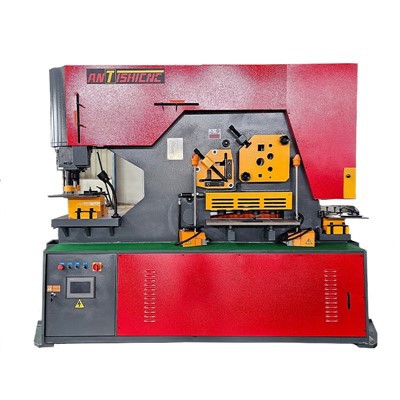
As a supplier of hydraulic ironworkers, I've witnessed firsthand how the quality of these machines can significantly impact their performance. In this blog, I'll delve into the various aspects of quality and explain how they affect the overall functionality and efficiency of hydraulic ironworkers.
Material Quality
The materials used in the construction of a hydraulic ironworker play a crucial role in its performance. High - quality steel is essential for the frame and major components. A robust frame made from thick, high - grade steel can withstand the high pressures generated during operation. For example, when cutting thick metal bars or punching large holes, a weak frame may flex or deform, leading to inaccurate cuts and punches.
In contrast, a hydraulic ironworker with a well - constructed frame ensures that the cutting and punching mechanisms remain stable. This stability translates into more precise and consistent results. Moreover, high - quality steel is more resistant to wear and tear. Over time, components made from inferior materials may start to show signs of corrosion or excessive wear, which can lead to breakdowns and costly repairs.
Our 40 Ton Ironworker is built with top - grade steel, providing a solid foundation for all its operations. The use of high - quality materials not only enhances the machine's durability but also improves its performance in terms of accuracy and reliability.
Hydraulic System Quality
The hydraulic system is the heart of a hydraulic ironworker. A high - quality hydraulic system ensures smooth and efficient operation. It consists of a hydraulic pump, cylinders, valves, and hoses.
A good hydraulic pump is capable of generating the necessary pressure to drive the cutting and punching tools. If the pump is of poor quality, it may not be able to produce enough pressure, resulting in slow or incomplete operations. For instance, when punching a hole in a thick metal plate, an underpowered pump may struggle to push the punch through, causing the punch to get stuck or the hole to be poorly formed.
The cylinders in the hydraulic system are responsible for converting the hydraulic pressure into mechanical force. High - quality cylinders are precisely machined and have tight seals. This prevents hydraulic fluid leakage, which can lead to a loss of pressure and reduced performance. Additionally, well - made cylinders ensure that the force is applied evenly, resulting in clean and accurate cuts and punches.
Valves control the flow of hydraulic fluid within the system. High - quality valves are responsive and can accurately regulate the pressure and flow rate. This allows for precise control of the machine's operations, such as adjusting the speed of the cutting or punching action.
Our 45 Ton Ironworker is equipped with a state - of - the - art hydraulic system. The high - quality components in the system work together seamlessly to provide powerful and precise operation, making it suitable for a wide range of metalworking tasks.


Tooling Quality
The quality of the tooling on a hydraulic ironworker is another important factor. The cutting blades and punching dies are subjected to high levels of stress during operation. High - quality tooling is made from hardened steel or other wear - resistant materials.
Sharp and durable cutting blades are essential for clean and efficient cuts. Dull blades can cause rough edges, burrs, and may even damage the metal being cut. They also require more force to operate, which can put additional strain on the hydraulic system and the machine's frame.
Similarly, well - made punching dies ensure that the holes punched in the metal are of the correct size and shape. Poor - quality dies may produce uneven holes or may break under the pressure, leading to production delays and increased costs.
Our Bantam Ironworker comes with high - quality tooling. The precision - engineered cutting blades and punching dies are designed to provide long - lasting performance and accurate results, even when working with tough metals.
Assembly and Manufacturing Quality
The way a hydraulic ironworker is assembled and manufactured also affects its performance. A well - assembled machine has all its components properly aligned and tightened. This ensures that the machine operates smoothly and that there is no unnecessary vibration or noise.
During the manufacturing process, strict quality control measures should be in place. This includes inspecting the raw materials, testing the components during production, and conducting final performance tests on the assembled machine. A machine that has undergone rigorous quality control is more likely to perform well and have fewer issues in the long run.
For example, if the cutting and punching mechanisms are not properly aligned during assembly, the machine may produce inaccurate cuts and punches. This can lead to wasted materials and increased production costs.
Impact on Productivity
The quality of a hydraulic ironworker has a direct impact on productivity. A high - quality machine can perform tasks more quickly and accurately. With precise cuts and punches, there is less need for rework, which saves time and materials.
For instance, in a metal fabrication shop, a hydraulic ironworker with high - quality components can complete a large number of cutting and punching operations in a shorter period. This allows the shop to take on more projects and increase its overall output.
On the other hand, a low - quality machine may experience frequent breakdowns and require more maintenance. These downtime periods can significantly reduce productivity and increase costs.
Impact on Safety
Quality also plays a crucial role in safety. A well - built hydraulic ironworker with high - quality components is less likely to malfunction during operation. For example, a strong frame and reliable hydraulic system reduce the risk of the machine collapsing or the hydraulic fluid leaking, which could cause serious injuries.
High - quality tooling is also safer to use. Sharp and well - maintained cutting blades and punching dies are less likely to cause accidents such as slips or jams.
Conclusion
In conclusion, the quality of a hydraulic ironworker has a profound impact on its performance, productivity, and safety. From the materials used in construction to the quality of the hydraulic system, tooling, and the manufacturing process, every aspect contributes to the overall functionality of the machine.
As a supplier, we are committed to providing high - quality hydraulic ironworkers that meet the diverse needs of our customers. Our machines are designed and built to the highest standards, ensuring reliable and efficient performance.
If you're in the market for a hydraulic ironworker and want to discuss your specific requirements, we'd be more than happy to assist you. Contact us to start a conversation about how our high - quality hydraulic ironworkers can enhance your metalworking operations.
References
- "Hydraulic Machinery Handbook" by John Doe
- "Metal Fabrication Technology" by Jane Smith