


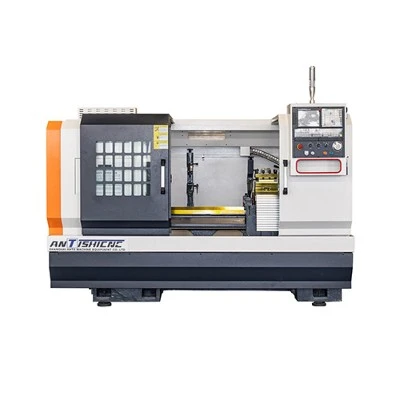
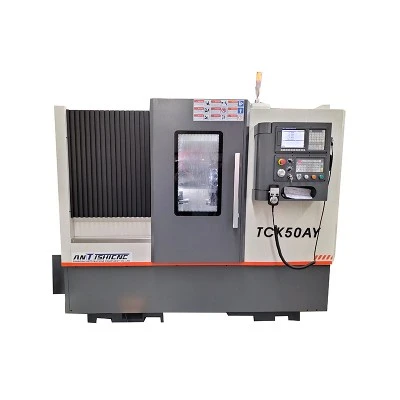
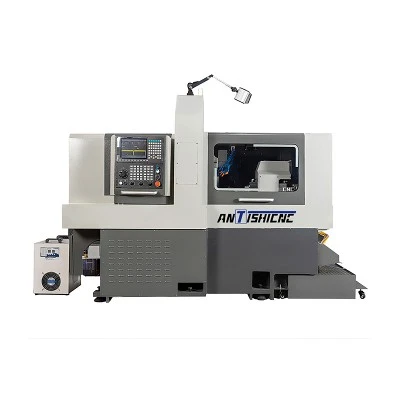
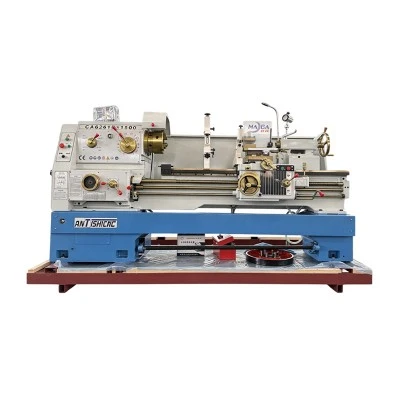
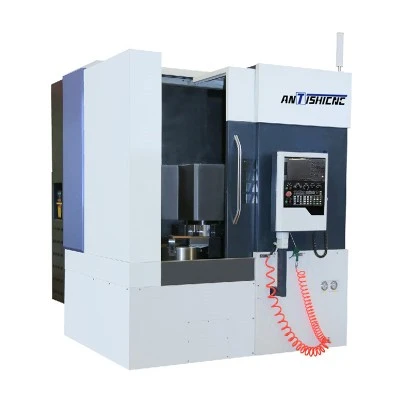
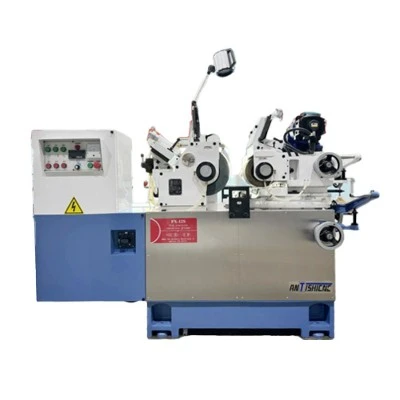
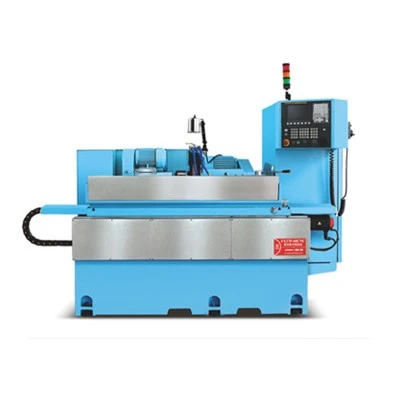
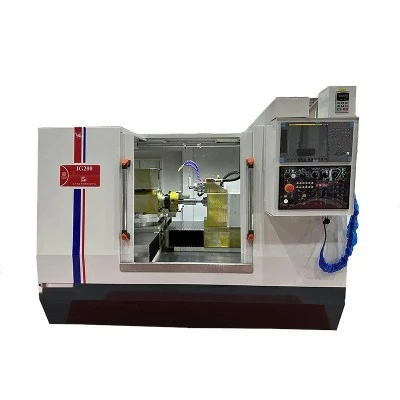
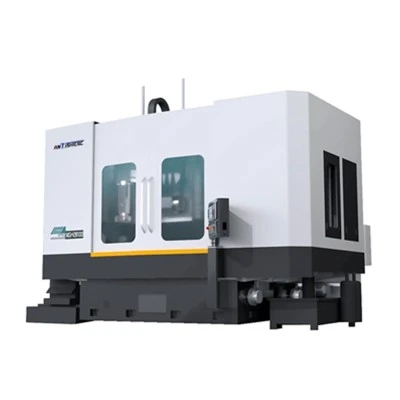
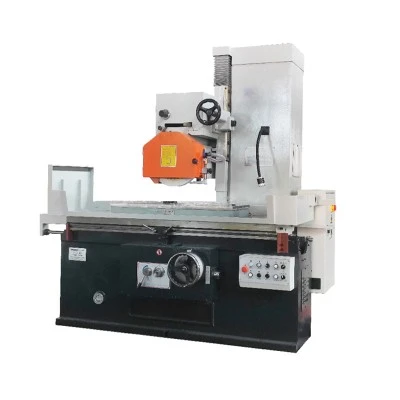
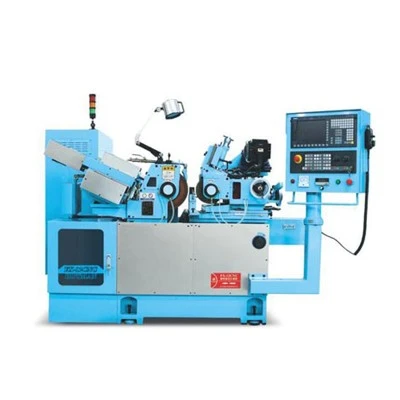
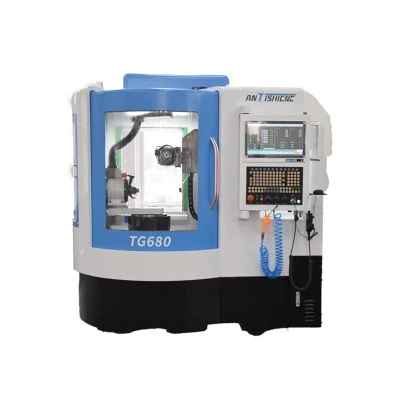

The second - hand market for large lathe machines is a crucial segment within the industrial equipment landscape. As a supplier of large lathe machines, I have witnessed firsthand the fluctuations and trends in this market. In this blog, I will delve into the current situation of the second - hand market for large lathe machines, exploring factors such as supply and demand, pricing, and the impact of new technologies.
Supply and Demand
The supply of second - hand large lathe machines is influenced by several factors. One of the primary sources of supply is the upgrade or replacement of equipment by manufacturing companies. As technology advances, companies often seek to improve their production efficiency by investing in newer, more advanced lathe machines. This leads to the disposal of their older, but still functional, large lathe machines into the second - hand market.
Another source of supply is the closure or downsizing of manufacturing facilities. Economic downturns, changes in industry trends, or relocation can force companies to sell off their machinery, including large lathe machines. This can result in a sudden influx of second - hand equipment into the market.
On the demand side, small and medium - sized enterprises (SMEs) are the major buyers in the second - hand large lathe machine market. SMEs often have budget constraints and cannot afford to purchase brand - new large lathe machines. Second - hand machines offer them a cost - effective alternative to meet their production needs. Additionally, some companies may require large lathe machines for short - term projects or for prototyping. Buying second - hand machines allows them to avoid the high upfront costs associated with new equipment.
However, the demand for second - hand large lathe machines is also affected by the availability of financing options. Many SMEs rely on loans or leasing to acquire machinery. If financing is difficult to obtain, it can dampen the demand for second - hand large lathe machines.
Pricing
Pricing in the second - hand large lathe machine market is determined by a variety of factors. The age, condition, and brand of the machine are the most important determinants. Older machines generally command lower prices, especially if they have significant wear and tear. Machines in good condition, with minimal signs of use and well - maintained components, can fetch higher prices.
The brand of the large lathe machine also plays a role in pricing. Well - known and reputable brands are often associated with better quality and reliability, and their second - hand machines tend to be priced higher. For example, a second - hand Extra Heavy Duty Lathe Machine from a leading manufacturer may cost more than a similar machine from a lesser - known brand.
Market demand and supply dynamics also influence pricing. When the supply of second - hand large lathe machines exceeds demand, prices tend to fall. Conversely, when demand outstrips supply, prices can rise. In recent years, the increasing demand from SMEs in emerging economies has put upward pressure on prices in some segments of the second - hand large lathe machine market.
Impact of New Technologies
The rapid advancement of new technologies has had a significant impact on the second - hand large lathe machine market. Newer lathe machines are equipped with advanced features such as computer numerical control (CNC), which offers greater precision, efficiency, and flexibility in machining operations. These technological advancements have made older, non - CNC large lathe machines less attractive to buyers.
As a result, the value of second - hand non - CNC large lathe machines has declined in recent years. Many buyers are now looking for second - hand CNC large lathe machines, which can provide similar benefits to new machines at a lower cost. However, the supply of second - hand CNC large lathe machines is relatively limited compared to non - CNC machines, as they are a more recent addition to the market.
On the other hand, new technologies have also created opportunities for the second - hand large lathe machine market. Some companies are offering retrofit services to upgrade older non - CNC large lathe machines to CNC machines. This allows buyers to take advantage of the benefits of CNC technology without having to purchase a brand - new machine.
Quality and Inspection
When buying a second - hand large lathe machine, quality and inspection are of utmost importance. Buyers should thoroughly inspect the machine before making a purchase. This includes checking the mechanical components for wear and tear, testing the electrical systems, and verifying the accuracy of the machining operations.
It is also advisable to obtain a detailed maintenance history of the machine. A well - maintained machine is more likely to be in good working condition and have a longer lifespan. Some suppliers may offer a warranty or after - sales service for second - hand large lathe machines, which can provide additional peace of mind for buyers.
As a large lathe machine supplier, we understand the importance of quality in the second - hand market. We carefully inspect and refurbish all our second - hand large lathe machines before offering them for sale. Our team of experienced technicians ensures that each machine meets our high standards of quality and performance.
Market Trends and Outlook
Looking ahead, the second - hand large lathe machine market is expected to continue to grow, driven by the increasing demand from SMEs in emerging economies. The need for cost - effective manufacturing solutions, coupled with the limited availability of financing for new equipment, will keep the demand for second - hand large lathe machines strong.
However, the market will also face challenges. The rapid pace of technological change means that older machines may become obsolete more quickly. Suppliers will need to adapt by offering more advanced second - hand machines, such as CNC lathe machines, and providing retrofit services to extend the lifespan of older equipment.
In addition, environmental regulations may also have an impact on the second - hand large lathe machine market. Some countries are implementing stricter regulations on the disposal of industrial waste, which may affect the supply of second - hand machines. Suppliers will need to ensure that they comply with these regulations and find sustainable ways to manage the disposal of old machines.
Conclusion
The second - hand market for large lathe machines is a dynamic and complex market. It offers cost - effective solutions for SMEs and provides an outlet for companies to dispose of their old equipment. However, buyers need to be cautious when purchasing second - hand machines, considering factors such as quality, pricing, and technological advancements.
As a large lathe machine supplier, we are committed to providing high - quality second - hand large lathe machines to our customers. Whether you are looking for an Lathe Machine 8 Feet or a Heavy Lathe Machine, we have a wide range of options to meet your needs.


If you are interested in purchasing a second - hand large lathe machine, we encourage you to contact us for more information. Our team of experts will be happy to assist you in finding the right machine for your business and answer any questions you may have.
References
- Industrial Equipment News Reports
- Market Research on Manufacturing Machinery
- Interviews with SMEs in the Manufacturing Sector


