


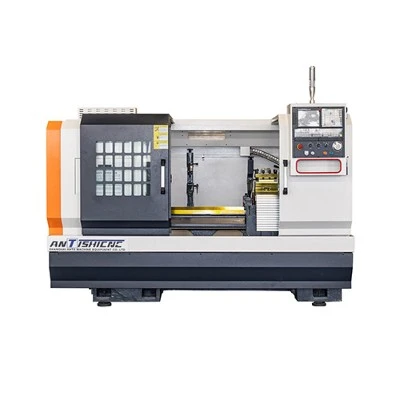
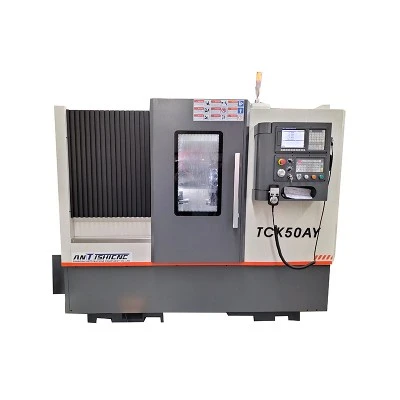
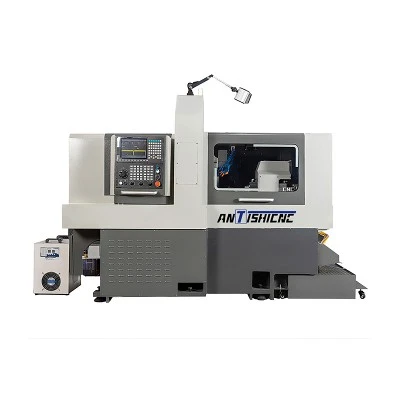
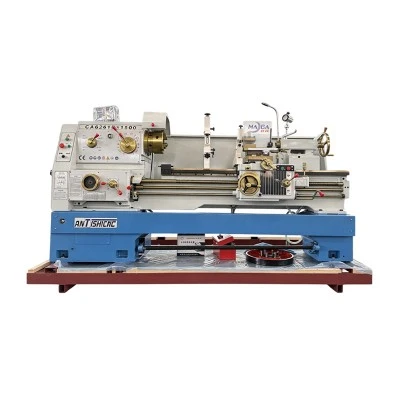
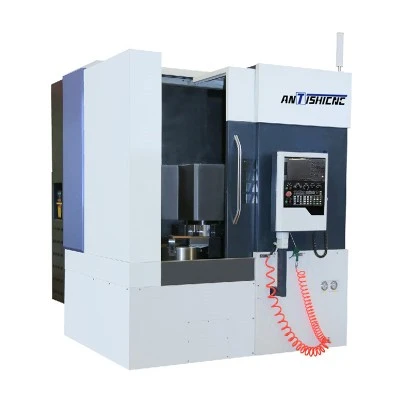
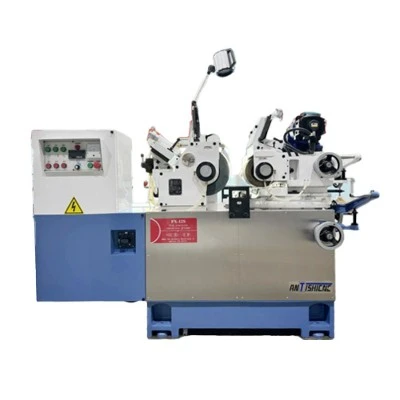
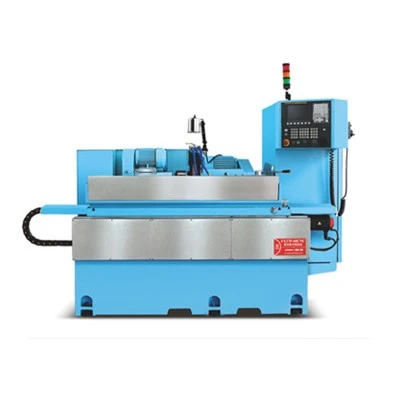
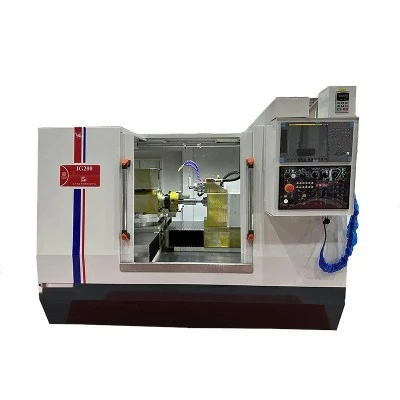
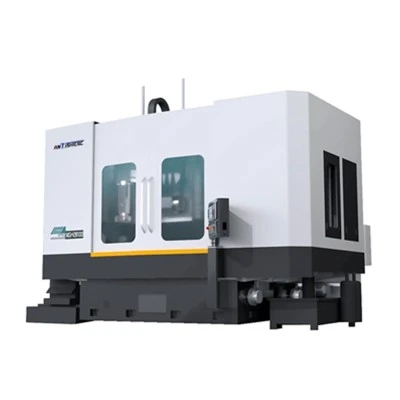
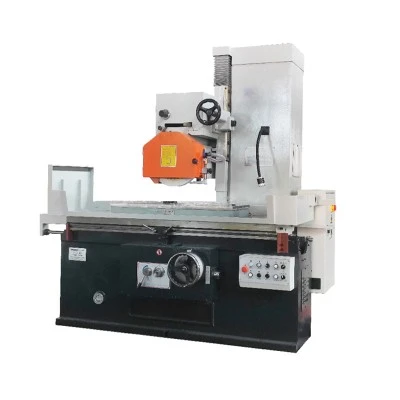
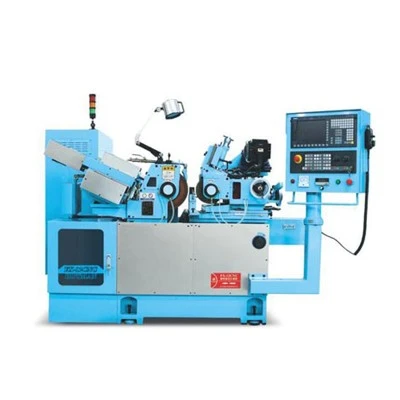
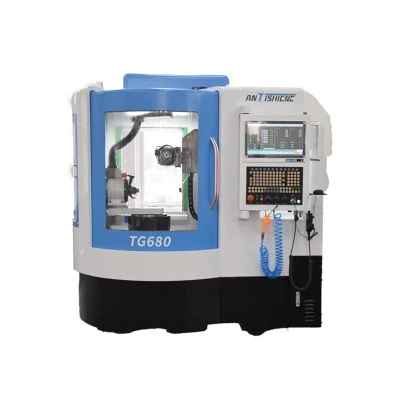

In the manufacturing industry, cylindrical machines play a crucial role in producing high - precision cylindrical components. As a supplier of Cylindrical Machines, I am well - versed in the various automation features that these machines offer. These features not only enhance productivity but also improve the quality and consistency of the finished products.
Automatic Loading and Unloading Systems
One of the most significant automation features of a cylindrical machine is the automatic loading and unloading system. This system can significantly reduce the time spent on manual material handling, allowing the machine to operate continuously with minimal human intervention.
The automatic loading system can pick up raw workpieces from a magazine or a conveyor belt and place them accurately in the machine's workholding device. For example, some advanced cylindrical machines are equipped with robotic arms that can handle workpieces of different shapes and sizes. These robotic arms are programmed to pick up the workpieces precisely, ensuring that they are correctly positioned for the grinding or machining process.
On the other hand, the automatic unloading system removes the finished workpieces from the machine and transfers them to a storage area or a subsequent processing station. This process is carried out with high speed and accuracy, preventing any damage to the finished products. By automating the loading and unloading processes, manufacturers can increase the throughput of their production lines and reduce labor costs.


CNC Control Systems
Computer Numerical Control (CNC) is another essential automation feature of modern cylindrical machines. A CNC control system allows operators to program the machine to perform specific tasks with high precision. The CNC Od Grinding Machine and CNC Od Grinder are prime examples of machines that benefit greatly from CNC technology.
With a CNC control system, operators can input the desired dimensions, tolerances, and machining parameters into the machine's computer. The machine then automatically adjusts its cutting tools, feed rates, and spindle speeds to achieve the required results. This level of automation ensures that each workpiece is machined to the exact specifications, reducing the risk of human error and improving the overall quality of the products.
Moreover, CNC control systems offer flexibility in production. Operators can easily change the machining programs to accommodate different workpiece designs or production requirements. This feature is particularly useful for manufacturers who produce a variety of cylindrical components in small to medium batches.
Automatic Tool Changing
Automatic tool changing is a valuable automation feature that enhances the efficiency of cylindrical machines. In a manufacturing process, different tools may be required to perform various operations on a workpiece, such as roughing, finishing, and grooving. Manually changing tools can be time - consuming and may lead to inaccuracies in the machining process.
An automatic tool changer (ATC) in a cylindrical machine can store multiple cutting tools and select the appropriate tool for each operation automatically. When a tool change is required, the ATC quickly and precisely replaces the current tool with the new one, minimizing downtime. This feature allows the machine to perform a series of operations without operator intervention, increasing the productivity of the production line.
In - Process Measurement and Compensation
In - process measurement and compensation are advanced automation features that ensure the accuracy of the machining process. During the machining of a cylindrical workpiece, factors such as tool wear, thermal expansion, and machine vibration can affect the dimensional accuracy of the finished product.
In - process measurement systems use sensors to measure the dimensions of the workpiece while it is being machined. These sensors can detect any deviations from the desired specifications in real - time. Once a deviation is detected, the machine's control system can automatically adjust the machining parameters to compensate for the error. For example, if the diameter of the workpiece is found to be larger than the specified value, the machine can reduce the cutting depth to correct the dimension.
This feature not only improves the quality of the finished products but also reduces the need for post - process inspection and rework. By continuously monitoring and adjusting the machining process, manufacturers can achieve higher levels of precision and consistency in their production.
Adaptive Control
Adaptive control is an intelligent automation feature that allows cylindrical machines to adjust their machining parameters based on real - time conditions. During the machining process, the cutting forces, power consumption, and other factors can vary depending on the workpiece material, tool condition, and machining operations.
An adaptive control system uses sensors to monitor these variables and adjusts the feed rate, spindle speed, and other parameters accordingly. For example, if the cutting forces increase due to a harder section of the workpiece, the system can automatically reduce the feed rate to prevent tool breakage and ensure a smooth machining process.
This feature helps to optimize the machining process, improving the efficiency and quality of the production. It also extends the tool life by reducing the stress on the cutting tools, resulting in cost savings for the manufacturer.
Remote Monitoring and Diagnostic Systems
In today's connected world, remote monitoring and diagnostic systems have become an important automation feature of cylindrical machines. These systems allow manufacturers to monitor the performance of their machines from a remote location using a computer or a mobile device.
Remote monitoring systems collect data on various machine parameters, such as temperature, vibration, and power consumption. This data can be analyzed to detect any potential problems or malfunctions in the machine. For example, an increase in vibration levels may indicate a misaligned component or a worn - out bearing.
Diagnostic systems can then provide detailed information about the problem and suggest possible solutions. In some cases, the system can even perform remote maintenance tasks, such as software updates or parameter adjustments. This feature reduces the downtime of the machine and allows manufacturers to respond quickly to any issues, ensuring the smooth operation of their production lines.
Conclusion
As a supplier of Cylindrical Machines, I understand the importance of these automation features in modern manufacturing. The automatic loading and unloading systems, CNC control systems, automatic tool changing, in - process measurement and compensation, adaptive control, and remote monitoring and diagnostic systems all contribute to increased productivity, improved quality, and reduced costs.
If you are in the market for a cylindrical machine and are interested in leveraging these advanced automation features to enhance your manufacturing process, I encourage you to contact us for a detailed discussion. We can provide you with more information about our products and help you select the right machine that meets your specific requirements.
References
- "Modern Manufacturing Technology" by John A. Schey
- "CNC Machining Handbook" by Mark C. Jones
- Industry reports on cylindrical machine automation from leading manufacturing research firms.


