


Hey there! As a supplier of shaping machines, I often get asked about how to change the tool in a shaping machine. It's an important skill for anyone working with these machines, whether you're a professional machinist or just starting out in the world of metalworking. In this blog post, I'm going to walk you through the process step by step, so you can change your shaping machine tools like a pro.
Why Tool Changing is Important
Before we dive into the how-to, let's talk about why changing the tool in a shaping machine is such a big deal. Shaping machines are used to create flat surfaces, grooves, and other shapes on metal workpieces. Different jobs require different tools, so being able to swap them out quickly and easily is essential for getting the job done right. Whether you're switching from a roughing tool to a finishing tool or using a special tool for a specific task, knowing how to change the tool properly will save you time and ensure a high-quality result.
What You'll Need
First things first, let's gather the tools and materials you'll need for this job. You'll need:
- The new shaping tool
- A wrench or spanner that fits the tool holder on your shaping machine
- A clean cloth or rag to wipe down the tool and tool holder
- Safety glasses to protect your eyes from any debris
Step 1: Prepare the Machine
Before you start changing the tool, it's important to make sure the shaping machine is turned off and unplugged. This will prevent any accidental starts and keep you safe while you're working. Once the machine is off, use a clean cloth or rag to wipe down the tool holder and the area around it. This will remove any dirt, debris, or metal chips that could interfere with the tool change.
Step 2: Remove the Old Tool
Now it's time to remove the old tool from the tool holder. Locate the set screw or clamping mechanism that holds the tool in place. Use a wrench or spanner to loosen the set screw or release the clamping mechanism. Once the tool is loose, carefully pull it out of the tool holder. Be sure to hold the tool firmly to prevent it from falling and causing damage.
Step 3: Inspect the Tool Holder
After removing the old tool, take a close look at the tool holder. Check for any signs of wear, damage, or debris. If the tool holder is dirty, use a clean cloth or rag to wipe it down. If there is any damage to the tool holder, it may need to be repaired or replaced before you can install the new tool.
Step 4: Select the New Tool
Now it's time to select the new tool for your job. Make sure the tool is the right size and shape for the task at hand. You can find a wide variety of shaping tools on our website, including Shaping Tool Machine, Small Shaper Machine, and Shaping Slotting and Planing Machines. Once you've selected the new tool, inspect it carefully for any signs of damage or defects.
Step 5: Install the New Tool
Once you've selected the new tool, it's time to install it in the tool holder. Insert the shank of the tool into the tool holder and align it with the set screw or clamping mechanism. Use a wrench or spanner to tighten the set screw or engage the clamping mechanism. Make sure the tool is securely held in place, but be careful not to overtighten the set screw, as this could damage the tool or the tool holder.
Step 6: Adjust the Tool Height
After installing the new tool, you may need to adjust its height to ensure proper cutting. Most shaping machines have a tool height adjustment mechanism that allows you to raise or lower the tool. Use this mechanism to adjust the tool height until it is at the correct level for your workpiece. You can use a feeler gauge or a dial indicator to check the tool height and make any necessary adjustments.

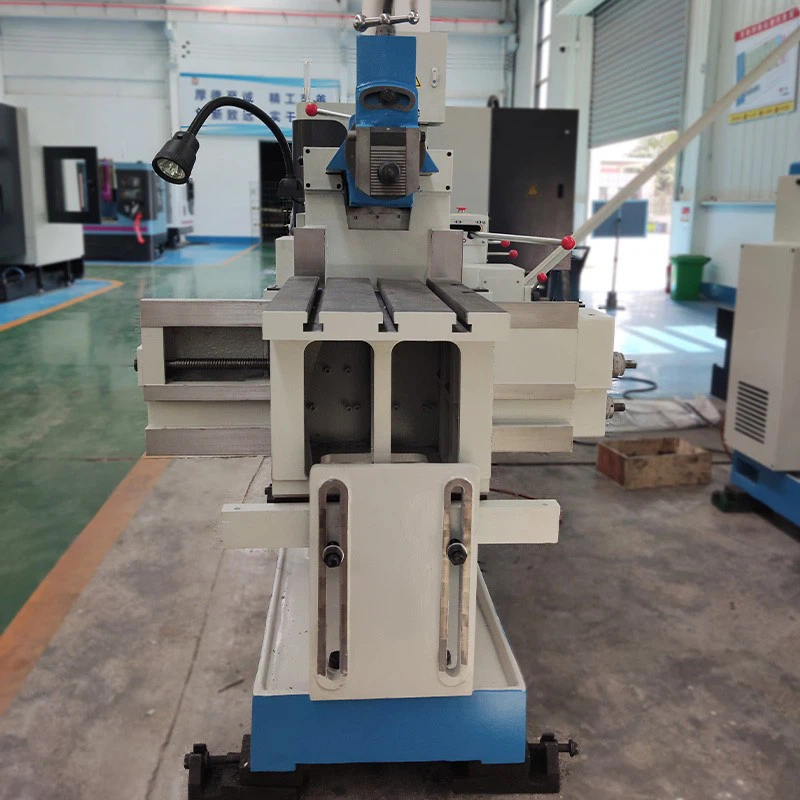
Step 7: Test the Machine
Once you've installed the new tool and adjusted its height, it's time to test the machine. Turn on the shaping machine and run it at a slow speed to make sure the tool is cutting properly. Check for any signs of vibration, noise, or uneven cutting. If you notice any problems, stop the machine immediately and make any necessary adjustments.
Step 8: Clean Up
After you've finished using the shaping machine, it's important to clean up the work area. Use a clean cloth or rag to wipe down the machine and remove any dirt, debris, or metal chips. Store the tools and materials in a safe place for future use.
Tips and Tricks
- Always wear safety glasses when working with a shaping machine to protect your eyes from any debris.
- Make sure the shaping machine is turned off and unplugged before you start changing the tool.
- Use the right size and shape of tool for the task at hand.
- Inspect the tool and tool holder for any signs of wear, damage, or debris before installing the new tool.
- Tighten the set screw or clamping mechanism securely, but be careful not to overtighten it.
- Adjust the tool height carefully to ensure proper cutting.
- Test the machine at a slow speed before starting any actual cutting.
- Clean up the work area after you've finished using the machine.
Conclusion
Changing the tool in a shaping machine is a relatively simple process, but it's important to do it correctly to ensure a high-quality result. By following the steps outlined in this blog post and using the tips and tricks provided, you can change your shaping machine tools like a pro. If you have any questions or need further assistance, please don't hesitate to contact us. We're here to help you get the most out of your shaping machine.
If you're in the market for a new shaping machine or shaping tools, be sure to check out our website. We offer a wide range of high-quality shaping machines and tools at competitive prices. Contact us today to learn more about our products and services and to start a conversation about your procurement needs.
References
- "Shaping Machine Operation Manual"
- "Metalworking Handbook"


