


Maintaining a heavy lathe machine is crucial for ensuring its optimal performance, longevity, and safety. As a heavy lathe machine supplier, I understand the significance of proper maintenance in keeping these powerful tools in top - notch condition. In this blog, I'll share some essential tips on how to maintain a heavy lathe machine effectively.
Regular Cleaning
One of the most fundamental aspects of heavy lathe machine maintenance is regular cleaning. During operation, lathe machines accumulate chips, dust, and coolant residues. These contaminants can cause premature wear and tear on the machine's components, leading to decreased performance and potential breakdowns.
To clean the lathe machine, start by turning it off and unplugging it from the power source to ensure safety. Use a brush to remove loose chips and debris from the machine's surface, including the bed, headstock, tailstock, and carriage. Pay special attention to the areas around the lead screw, feed rod, and gears, as these are prone to chip accumulation.
Next, use a clean, lint - free cloth to wipe down the machine's surfaces. You can also use a mild cleaning solution to remove stubborn dirt and grime. However, be careful not to get the cleaning solution on electrical components. After cleaning, dry the machine thoroughly to prevent rust and corrosion.
Lubrication
Proper lubrication is essential for the smooth operation of a heavy lathe machine. Lubricants reduce friction between moving parts, prevent wear and tear, and dissipate heat. Different parts of the lathe machine require different types of lubricants.
The headstock gears and bearings typically require a high - quality gear oil. Check the manufacturer's recommendations for the correct type and viscosity of the oil. The oil level should be checked regularly, and the oil should be changed at the recommended intervals.
The lead screw, feed rod, and other sliding surfaces need to be lubricated with a light - weight machine oil. Apply the oil to these surfaces using an oil can or a lubrication system. Make sure to distribute the oil evenly to ensure smooth movement.
The spindle bearings also require proper lubrication. Some lathe machines use grease for spindle bearing lubrication. Grease should be packed into the bearings according to the manufacturer's instructions. Over - greasing can cause overheating, so it's important to follow the recommended amounts.
Alignment and Calibration
Maintaining proper alignment and calibration of a heavy lathe machine is vital for accurate machining. Misaligned components can result in poor surface finish, inaccurate dimensions, and increased stress on the machine.
The bed of the lathe machine should be checked for levelness regularly. Use a precision level to ensure that the bed is perfectly horizontal. If the bed is not level, it can cause the carriage and tailstock to move unevenly, affecting the machining accuracy.
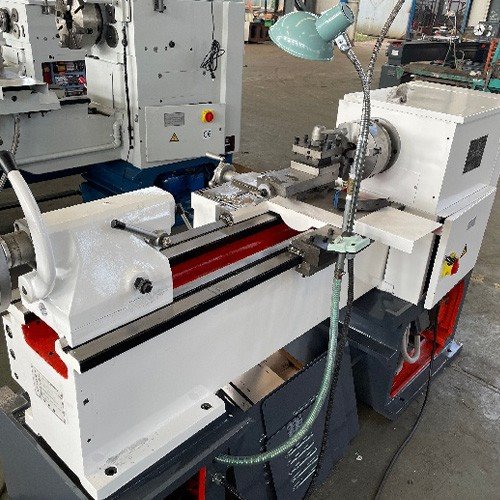

The spindle should be aligned with the tailstock center. This can be checked using a dial indicator. If the alignment is off, adjustments can be made according to the machine's manual. The lead screw and feed rod also need to be properly aligned to ensure smooth and accurate movement of the carriage.
Calibration of the lathe's controls, such as the feed rate and spindle speed, is also important. Use a tachometer to verify the spindle speed and a feed rate indicator to check the feed rate. If the readings are inaccurate, adjust the controls accordingly.
Inspection of Electrical Components
Heavy lathe machines rely on electrical components for their operation. Regular inspection of these components is necessary to prevent electrical failures and ensure safety.
Check the electrical wiring for any signs of damage, such as fraying, cracking, or loose connections. Damaged wiring should be replaced immediately to avoid short circuits and electrical shocks.
Inspect the motor for proper operation. Listen for any unusual noises, vibrations, or overheating. Check the motor's cooling fan to ensure that it is working properly. The motor's bearings should also be lubricated at the recommended intervals.
The control panel and switches should be checked for proper functioning. Make sure that all the buttons and switches are responsive and that the display is accurate. If there are any issues with the control panel, consult a qualified electrician or the machine's manufacturer for repair.
Tooling Maintenance
The cutting tools used on a heavy lathe machine also require proper maintenance. Dull or damaged cutting tools can cause poor surface finish, increased cutting forces, and premature wear on the machine.
Sharpen the cutting tools regularly to maintain their cutting edge. Use a tool grinder or a sharpening stone to sharpen the tools according to the recommended angles. Inspect the cutting tools for any signs of damage, such as chipping or cracking. Damaged tools should be replaced immediately.
Store the cutting tools properly when not in use. Use a tool rack or a tool box to keep the tools organized and protected from damage. Make sure to clean the tools before storing them to prevent rust and corrosion.
Operator Training
Proper operator training is an often - overlooked aspect of heavy lathe machine maintenance. A well - trained operator can prevent many common maintenance issues by operating the machine correctly.
Operators should be trained on the proper use of the lathe machine, including how to set up the machine for different machining operations, how to load and unload workpieces safely, and how to use the machine's controls. They should also be trained on the importance of regular maintenance and how to perform basic maintenance tasks, such as cleaning and lubrication.
By providing comprehensive operator training, you can ensure that the lathe machine is used in a way that minimizes wear and tear and maximizes its lifespan.
Preventive Maintenance Schedule
Developing a preventive maintenance schedule is essential for keeping a heavy lathe machine in good condition. A preventive maintenance schedule outlines the tasks that need to be performed at regular intervals, such as daily, weekly, monthly, and yearly maintenance.
Daily maintenance tasks may include cleaning the machine, checking the lubricant levels, and inspecting the cutting tools. Weekly maintenance may involve more in - depth cleaning, checking the alignment of components, and testing the electrical systems. Monthly maintenance could include changing the lubricants, inspecting the belts and pulleys, and calibrating the controls. Yearly maintenance may involve a thorough inspection of the entire machine, including disassembling and inspecting internal components.
By following a preventive maintenance schedule, you can catch potential problems early and prevent costly breakdowns.
Conclusion
Maintaining a heavy lathe machine is a multi - faceted process that requires attention to detail, regular maintenance tasks, and proper operator training. By following the tips outlined in this blog, you can ensure that your heavy lathe machine operates at its best, providing accurate and efficient machining for years to come.
As a heavy lathe machine supplier, we offer a wide range of high - quality Traditional Lathe, Heavy Duty Metal Lathe, and Universal Lathe machines. If you are interested in purchasing a heavy lathe machine or need more information on maintenance, feel free to contact us for a detailed discussion and procurement negotiation.
References
- "Lathe Machine Operation and Maintenance Manuals" from various lathe machine manufacturers.
- "Machinery's Handbook" for general machining and maintenance knowledge.
- Industry - specific technical journals and publications on metalworking and lathe machine technology.


