



Hey there, fellow machining enthusiasts! As a supplier of traditional lathes, I'm stoked to share some insights on how to perform taper turning on a traditional lathe. Taper turning is a crucial skill in the machining world, and with the right techniques and a trusty traditional lathe, you can create some seriously cool tapered parts.
First off, let's talk about what taper turning is. Simply put, it's the process of creating a conical shape on a workpiece. This can be useful for a variety of applications, from creating custom tooling to making parts for machinery. There are a few different methods you can use to perform taper turning on a traditional lathe, and I'll walk you through each one.
Method 1: Using the Compound Rest
One of the most common ways to perform taper turning on a traditional lathe is by using the compound rest. The compound rest is a tool that allows you to adjust the angle of the cutting tool, which is essential for creating a tapered shape. Here's how you can use the compound rest to perform taper turning:
- Set up your lathe: Make sure your lathe is properly set up and calibrated before you start. This includes checking the alignment of the headstock and tailstock, as well as the tension of the drive belt.
- Mount your workpiece: Secure your workpiece in the chuck or between the centers of the lathe. Make sure it's centered and secure.
- Adjust the compound rest: Loosen the locking screw on the compound rest and adjust the angle to match the desired taper. You can use a protractor or a taper gauge to measure the angle.
- Set the cutting tool: Mount your cutting tool in the tool post and adjust it so that it's at the correct height and angle. Make sure the cutting edge is sharp and properly aligned.
- Start the lathe: Turn on the lathe and set the speed to the appropriate level for your workpiece.
- Make the cut: Slowly feed the cutting tool into the workpiece, using the cross-feed and longitudinal-feed controls to move the tool along the length of the workpiece. Make sure to take light cuts and keep the cutting tool cool to prevent overheating.
- Check the taper: Use a taper gauge or a micrometer to check the taper of the workpiece. If necessary, make adjustments to the compound rest and repeat the cutting process until you achieve the desired taper.
Method 2: Using the Tailstock Offset
Another method you can use to perform taper turning on a traditional lathe is by using the tailstock offset. This method involves moving the tailstock off-center to create a tapered shape. Here's how you can use the tailstock offset to perform taper turning:
- Set up your lathe: Make sure your lathe is properly set up and calibrated before you start. This includes checking the alignment of the headstock and tailstock, as well as the tension of the drive belt.
- Mount your workpiece: Secure your workpiece in the chuck or between the centers of the lathe. Make sure it's centered and secure.
- Calculate the tailstock offset: Use a formula or a taper chart to calculate the amount of tailstock offset needed to create the desired taper. The formula for calculating the tailstock offset is:
- Offset = (Length of workpiece x Taper per inch) / 2
- For example, if you want to create a taper of 0.060 inches per inch on a 6-inch workpiece, the tailstock offset would be:
- Offset = (6 x 0.060) / 2 = 0.180 inches
- Adjust the tailstock: Loosen the locking screw on the tailstock and move it off-center by the calculated amount. Make sure to use a dial indicator or a micrometer to measure the offset accurately.
- Set the cutting tool: Mount your cutting tool in the tool post and adjust it so that it's at the correct height and angle. Make sure the cutting edge is sharp and properly aligned.
- Start the lathe: Turn on the lathe and set the speed to the appropriate level for your workpiece.
- Make the cut: Slowly feed the cutting tool into the workpiece, using the cross-feed and longitudinal-feed controls to move the tool along the length of the workpiece. Make sure to take light cuts and keep the cutting tool cool to prevent overheating.
- Check the taper: Use a taper gauge or a micrometer to check the taper of the workpiece. If necessary, make adjustments to the tailstock offset and repeat the cutting process until you achieve the desired taper.
Method 3: Using a Taper Attachment
If you need to perform taper turning on a regular basis, you may want to consider using a taper attachment. A taper attachment is a tool that allows you to create tapered shapes without having to adjust the compound rest or the tailstock offset. Here's how you can use a taper attachment to perform taper turning:
- Set up your lathe: Make sure your lathe is properly set up and calibrated before you start. This includes checking the alignment of the headstock and tailstock, as well as the tension of the drive belt.
- Mount the taper attachment: Attach the taper attachment to the lathe bed and secure it in place. Make sure it's properly aligned and adjusted.
- Mount your workpiece: Secure your workpiece in the chuck or between the centers of the lathe. Make sure it's centered and secure.
- Set the cutting tool: Mount your cutting tool in the tool post and adjust it so that it's at the correct height and angle. Make sure the cutting edge is sharp and properly aligned.
- Adjust the taper attachment: Use the adjustment screws on the taper attachment to set the desired taper angle. You can use a protractor or a taper gauge to measure the angle.
- Start the lathe: Turn on the lathe and set the speed to the appropriate level for your workpiece.
- Make the cut: Slowly feed the cutting tool into the workpiece, using the cross-feed and longitudinal-feed controls to move the tool along the length of the workpiece. The taper attachment will automatically adjust the cutting tool to create the desired taper.
- Check the taper: Use a taper gauge or a micrometer to check the taper of the workpiece. If necessary, make adjustments to the taper attachment and repeat the cutting process until you achieve the desired taper.
Tips and Tricks for Taper Turning
Now that you know how to perform taper turning on a traditional lathe, here are some tips and tricks to help you get the best results:
- Use a sharp cutting tool: A sharp cutting tool will make the cutting process easier and produce a better finish. Make sure to sharpen your cutting tool regularly and use the appropriate cutting speed and feed rate.
- Take light cuts: Taking light cuts will help prevent overheating and reduce the risk of chatter. Make sure to take small cuts and increase the depth of cut gradually.
- Keep the cutting tool cool: Using a coolant or lubricant will help keep the cutting tool cool and reduce the risk of overheating. Make sure to use the appropriate coolant or lubricant for your workpiece and cutting tool.
- Check the taper regularly: Use a taper gauge or a micrometer to check the taper of the workpiece regularly. This will help you ensure that the taper is within the desired tolerance.
- Practice makes perfect: Taper turning is a skill that takes time and practice to master. Don't be afraid to experiment with different methods and techniques to find what works best for you.
Our Traditional Lathes
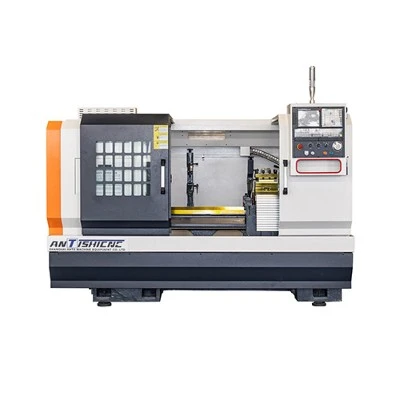
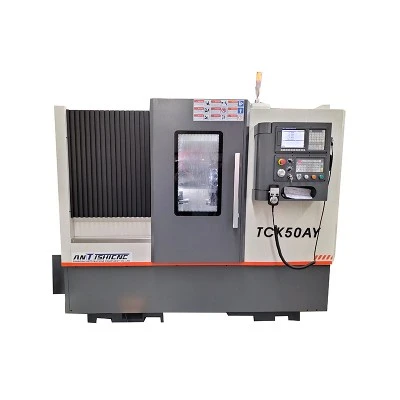
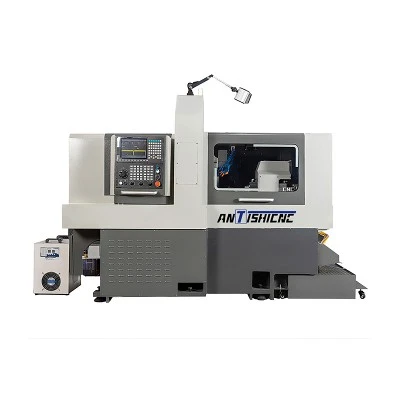
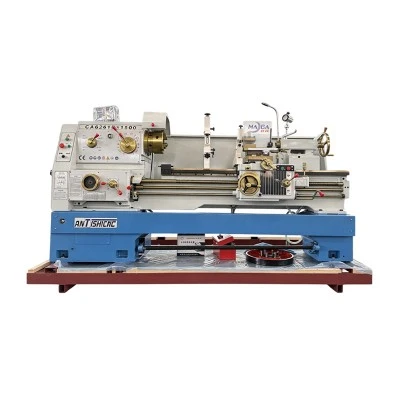
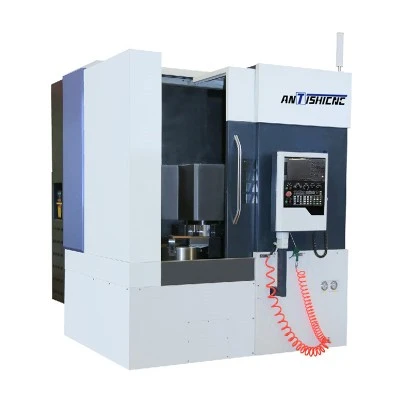
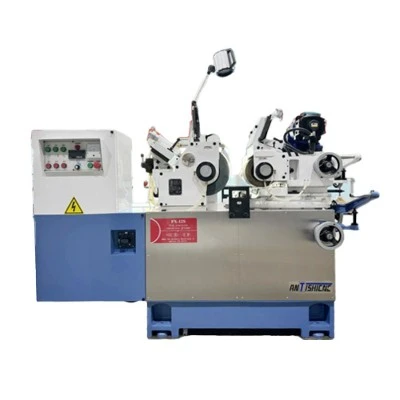
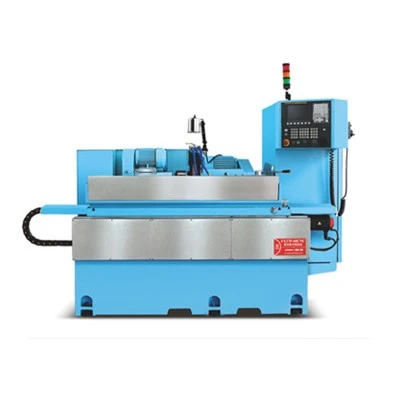
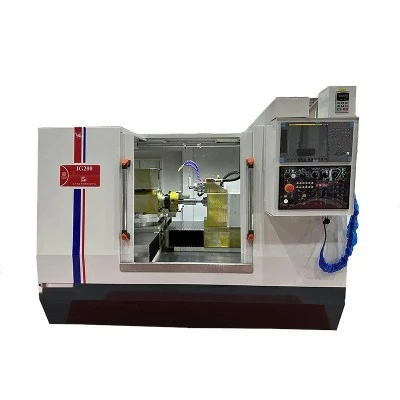
As a supplier of traditional lathes, we offer a wide range of high-quality lathes that are perfect for taper turning and other machining applications. Our Extra Heavy Duty Lathe Machine is designed for heavy-duty machining and can handle large workpieces with ease. Our Large Lathe Machine is ideal for machining large diameter workpieces, while our Universal Lathe is a versatile machine that can be used for a variety of machining applications.


If you're interested in learning more about our traditional lathes or have any questions about taper turning, please don't hesitate to contact us. We'd be happy to help you find the right lathe for your needs and provide you with the support and guidance you need to get the most out of your machining projects.
References
- "Machining Fundamentals" by John A. Schey
- "Modern Machining Technology" by Robert L. Todd
- "The Machinist's Handbook" by Industrial Press Inc.


