


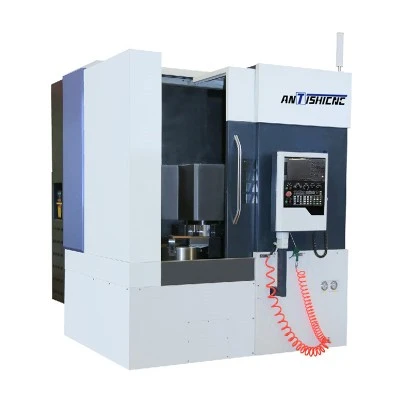
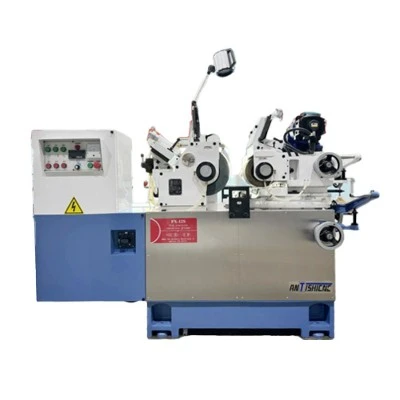
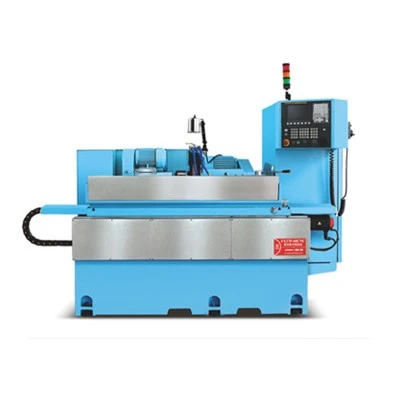
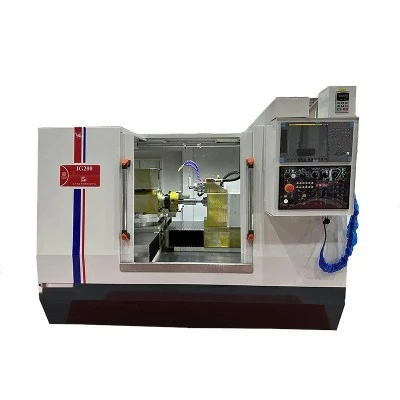
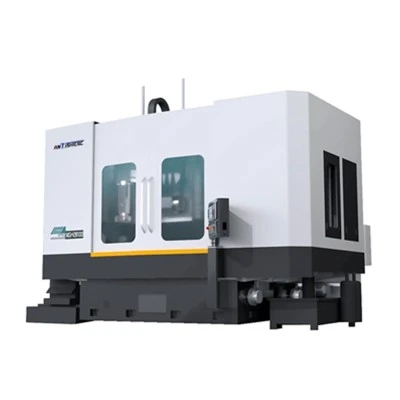
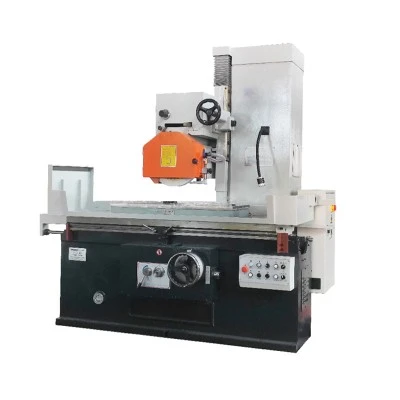
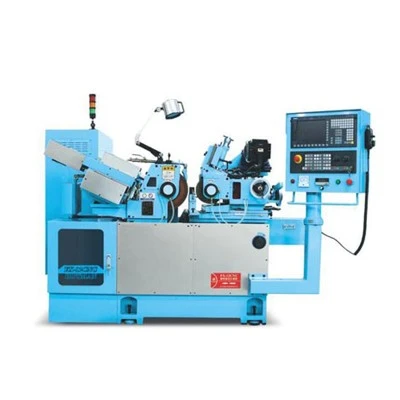
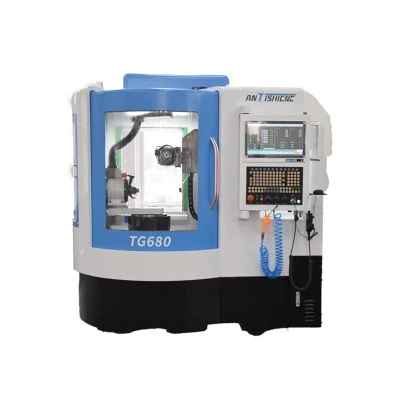

Programming a CNC shaping machine is a skill that combines precision, technical knowledge, and creativity. As a supplier of CNC shaping machines, I've had the privilege of working with a wide range of customers, from small workshops to large manufacturing plants. In this blog post, I'll share some insights on how to program a CNC shaping machine effectively.
Understanding the Basics of CNC Shaping Machines
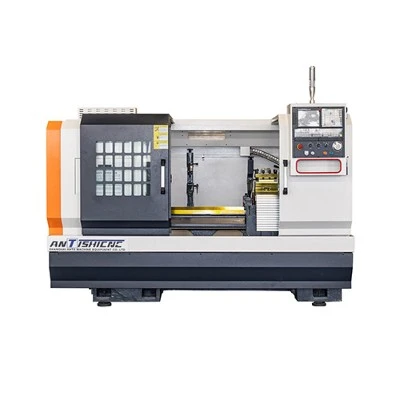
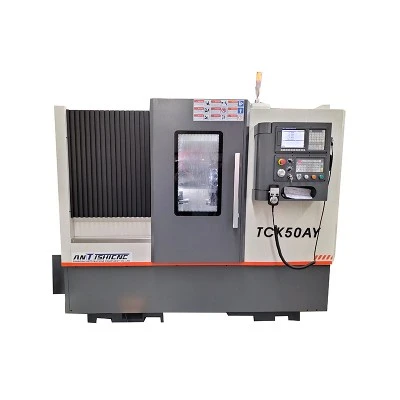
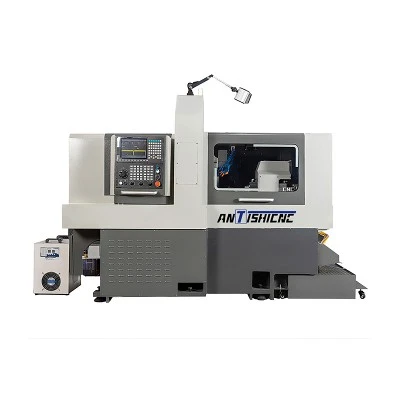
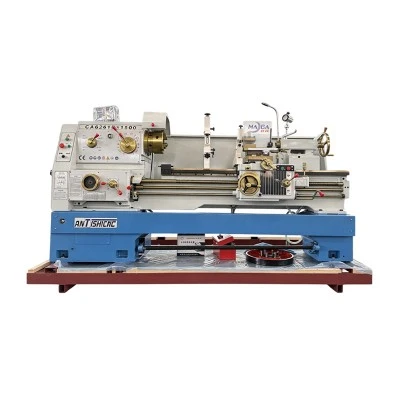
Before diving into programming, it's essential to have a solid understanding of what a CNC shaping machine is and how it works. A CNC (Computer Numerical Control) shaping machine is a highly automated tool used in manufacturing to create precise shapes and contours on various materials, such as metal, wood, and plastic. These machines are controlled by a computer system that interprets a set of instructions, known as a CNC program, to move the cutting tool along specific paths and perform the desired operations.
CNC shaping machines come in different types, including Cnc Gear Shaper Machine and CNC Gear Shaper, each designed for specific applications. For example, a gear shaper is used to create gears, while other types of shaping machines can be used for general machining tasks like milling, drilling, and turning.
The Programming Process
The programming process for a CNC shaping machine typically involves the following steps:
1. Designing the Part
The first step in programming a CNC shaping machine is to design the part you want to create. This can be done using computer-aided design (CAD) software, which allows you to create a 3D model of the part. The CAD model serves as the blueprint for the CNC program and provides all the necessary dimensions and geometric information.


When designing the part, it's important to consider the capabilities of the CNC shaping machine. For example, you need to ensure that the part can be machined within the machine's working envelope and that the cutting tools you plan to use are suitable for the material and the desired finish.
2. Generating the CNC Program
Once the part is designed, the next step is to generate the CNC program. This is typically done using computer-aided manufacturing (CAM) software, which takes the CAD model as input and generates a set of instructions that the CNC machine can understand.
CAM software uses algorithms to calculate the tool paths based on the part geometry, the cutting tools, and the machining parameters. These tool paths define the movement of the cutting tool along the part surface and specify the feed rate, spindle speed, and other machining parameters.
3. Verifying the Program
Before running the CNC program on the actual machine, it's crucial to verify its accuracy. This can be done using simulation software, which allows you to visualize the machining process and check for any errors or collisions. Simulation software can also help you optimize the program by identifying areas where the machining time can be reduced or the quality of the finished part can be improved.
4. Loading the Program
Once the program is verified, it can be loaded onto the CNC shaping machine. This is usually done by transferring the program from the CAM software to the machine's control system using a USB drive, Ethernet connection, or other data transfer methods.
5. Setting Up the Machine
Before starting the machining process, you need to set up the CNC shaping machine. This includes installing the appropriate cutting tools, securing the workpiece to the machine table, and setting the initial machining parameters, such as the spindle speed and feed rate.
6. Running the Program
Once the machine is set up, you can start running the CNC program. The machine will automatically move the cutting tool along the specified tool paths and perform the machining operations according to the program instructions.
During the machining process, it's important to monitor the machine closely to ensure that everything is running smoothly. You may need to make adjustments to the machining parameters if you notice any issues, such as excessive tool wear or poor surface finish.
Tips for Effective Programming
Here are some tips to help you program a CNC shaping machine more effectively:
1. Learn the Programming Language
Most CNC shaping machines use a programming language called G-code, which is a standard language for controlling CNC machines. Learning G-code is essential for programming a CNC shaping machine, as it allows you to write and modify the CNC programs directly.
There are many resources available online and in books that can help you learn G-code. You can also take a training course or workshop to get hands-on experience with programming CNC machines.
2. Optimize the Tool Paths
Optimizing the tool paths can significantly improve the machining efficiency and the quality of the finished part. This can be done by reducing the number of tool changes, minimizing the non-cutting time, and using the most efficient cutting strategies.
CAM software usually provides tools for optimizing the tool paths, such as tool path smoothing, adaptive machining, and high-speed machining. You can also experiment with different cutting strategies to find the one that works best for your application.
3. Use the Right Cutting Tools
Using the right cutting tools is crucial for achieving the desired results when programming a CNC shaping machine. Different cutting tools are designed for different materials and machining operations, so it's important to choose the appropriate tool for your application.
When selecting cutting tools, consider factors such as the material of the workpiece, the cutting speed, the feed rate, and the depth of cut. You should also make sure that the cutting tools are sharp and in good condition to ensure optimal performance.
4. Keep the Machine Maintained
Regular maintenance of the CNC shaping machine is essential for ensuring its long-term performance and reliability. This includes cleaning the machine, lubricating the moving parts, and checking the accuracy of the machine's axes.
By keeping the machine well-maintained, you can reduce the risk of breakdowns and ensure that the machine operates at its best. You should also follow the manufacturer's recommended maintenance schedule and procedures to avoid any potential issues.
Conclusion
Programming a CNC shaping machine is a complex but rewarding skill that can open up many opportunities in the manufacturing industry. By understanding the basics of CNC shaping machines, following the programming process, and implementing the tips mentioned above, you can program a CNC shaping machine more effectively and achieve better results.
If you're interested in learning more about CNC shaping machines or need help with programming, please don't hesitate to contact us. As a leading supplier of CNC shaping machines, we have the expertise and experience to provide you with the best solutions for your manufacturing needs. We look forward to working with you and helping you take your machining capabilities to the next level.
References
- "CNC Machining Handbook" by Peter Smid
- "G-Code Programming for CNC Machines" by Mark Albert
- Online resources and tutorials on CNC programming and machining


