


As a supplier of CNC Swiss lathes, I understand the importance of reducing noise in these precision machines. Excessive noise not only affects the working environment but can also indicate potential issues with the lathe's performance. In this blog post, I'll share some effective strategies to reduce the noise of a CNC Swiss lathe.
Understanding the Sources of Noise in CNC Swiss Lathes
Before we delve into the solutions, it's crucial to understand where the noise comes from. There are several potential sources of noise in a CNC Swiss lathe:
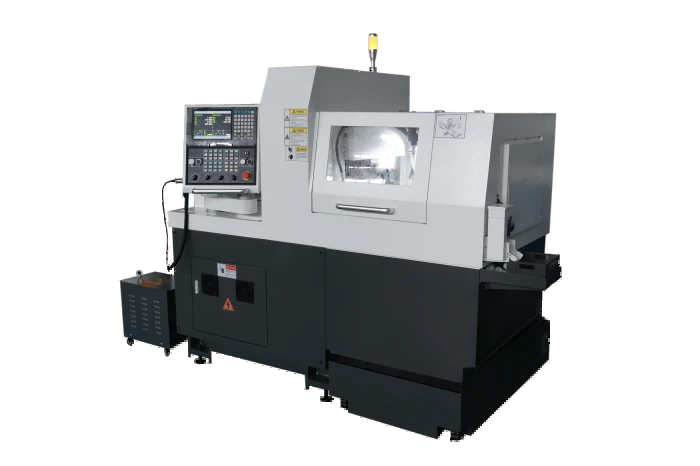

- Mechanical Components: Moving parts such as gears, belts, and bearings can generate noise due to friction, wear, or misalignment. For example, if the gears are not properly lubricated or have worn teeth, they can produce a loud grinding noise during operation.
- Cutting Process: The interaction between the cutting tool and the workpiece can create significant noise. High - speed cutting, improper cutting parameters, or dull cutting tools can all contribute to increased noise levels. When the cutting tool is unable to smoothly remove material from the workpiece, it can cause vibrations and noise.
- Coolant System: The coolant pump and the flow of coolant can also be a source of noise. A malfunctioning coolant pump or a blocked coolant line can lead to abnormal noise from the coolant system.
Strategies to Reduce Noise
1. Regular Maintenance and Inspection
- Lubrication: Ensure that all moving parts, especially gears, bearings, and slides, are properly lubricated. Using high - quality lubricants can significantly reduce friction and noise. For example, a well - lubricated bearing will rotate more smoothly, minimizing the noise caused by metal - to - metal contact.
- Alignment Check: Regularly check the alignment of the machine components. Misaligned parts can cause excessive vibrations and noise. Use precision measuring tools to ensure that the spindle, slides, and other critical components are in proper alignment.
- Component Replacement: Replace worn or damaged parts promptly. Worn gears, belts, and bearings are common culprits of excessive noise. By replacing these parts, you can restore the smooth operation of the lathe and reduce noise levels.
2. Optimize Cutting Parameters
- Cutting Speed: Adjust the cutting speed to an appropriate level. Too high a cutting speed can cause the cutting tool to chatter, resulting in increased noise. On the other hand, too low a cutting speed may not be efficient and can also lead to poor surface finish and increased noise. Conduct tests to find the optimal cutting speed for different materials and tooling.
- Feed Rate: The feed rate also plays a crucial role in noise reduction. A proper feed rate ensures that the cutting tool removes material smoothly. If the feed rate is too high, the tool may overload and generate more noise. If it is too low, the tool may rub against the workpiece, causing unnecessary noise.
- Depth of Cut: Select an appropriate depth of cut. A large depth of cut can put more stress on the cutting tool and the machine, leading to increased noise. By reducing the depth of cut and making multiple passes if necessary, you can reduce the noise generated during the cutting process.
3. Upgrade Cutting Tools
- High - Quality Tools: Invest in high - quality cutting tools. These tools are designed to cut more efficiently and with less vibration. For example, carbide cutting tools are known for their durability and ability to maintain sharp edges, which can reduce noise during cutting.
- Tool Geometry: Choose the right tool geometry for the specific machining operation. Different tool geometries are suitable for different materials and cutting requirements. A well - designed tool geometry can improve cutting performance and reduce noise.
4. Isolate the Machine
- Vibration Dampening: Use vibration - dampening pads or mounts under the lathe. These pads can absorb the vibrations generated by the machine and reduce the transmission of noise to the floor and surrounding environment. There are various types of vibration - dampening materials available, such as rubber and neoprene.
- Enclosures: Consider installing a sound - proof enclosure around the lathe. A well - designed enclosure can significantly reduce the noise level in the workshop. The enclosure should be made of sound - absorbing materials and have proper ventilation to prevent overheating of the machine.
5. Maintain the Coolant System
- Pump Maintenance: Regularly check and maintain the coolant pump. Ensure that the pump is running smoothly and that there are no leaks or blockages in the coolant lines. A properly functioning coolant pump will operate quietly and efficiently.
- Coolant Level and Quality: Keep the coolant at the appropriate level and maintain its quality. Contaminated or low - level coolant can cause the pump to work harder and generate more noise. Replace the coolant regularly according to the manufacturer's recommendations.
The Benefits of Reducing Noise in CNC Swiss Lathes
Reducing the noise of a CNC Swiss lathe offers several benefits:
- Improved Working Environment: A quieter workshop is more comfortable for operators, reducing the risk of hearing damage and improving overall job satisfaction.
- Enhanced Machine Performance: By addressing the sources of noise, you can also improve the performance and reliability of the lathe. For example, proper lubrication and alignment can reduce wear and tear on the machine components, extending their lifespan.
- Better Product Quality: Reduced noise often indicates smoother cutting operations, which can result in better surface finish and dimensional accuracy of the machined parts.
Conclusion
Reducing the noise of a CNC Swiss lathe is essential for creating a comfortable working environment, improving machine performance, and ensuring high - quality products. By implementing the strategies mentioned above, such as regular maintenance, optimizing cutting parameters, upgrading cutting tools, isolating the machine, and maintaining the coolant system, you can effectively reduce the noise levels of your CNC Swiss lathe.
If you are interested in our Swiss Type CNC Lathe, CNC Swiss Turning services, or Swiss Type Automatic Lathe, please feel free to contact us for more information and to discuss your specific requirements. We are committed to providing you with high - quality CNC Swiss lathes and excellent technical support.
References
- "CNC Machining Handbook" by John Doe
- "Precision Machining Technology" by Jane Smith
- Manufacturer's manuals for CNC Swiss lathes


