


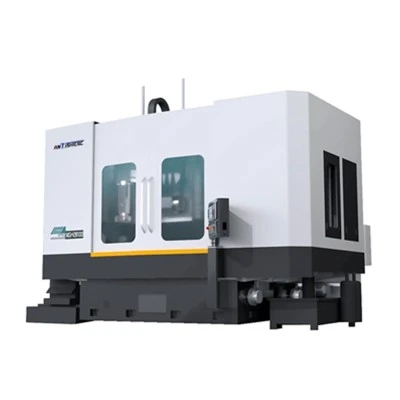
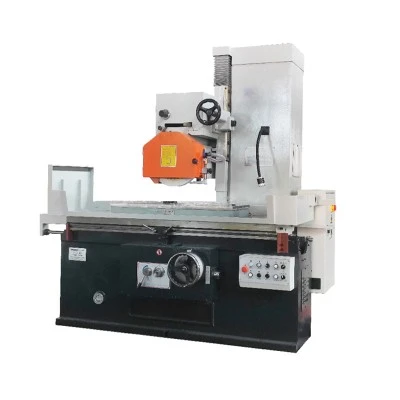
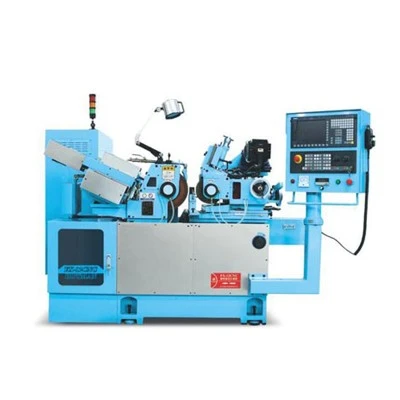
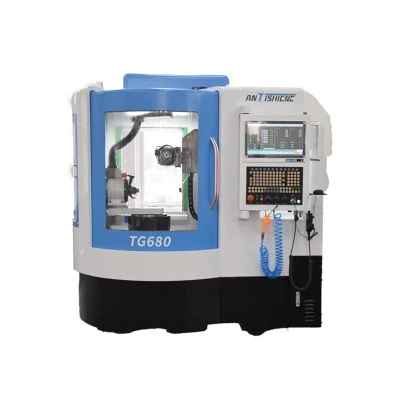

Selecting the appropriate cutting speed on a traditional lathe is crucial for achieving optimal results in machining operations. As a supplier of Traditional Lathe, I've seen firsthand how the right cutting speed can make a huge difference in the quality of the finished product, as well as in the efficiency and longevity of the lathe itself. In this blog post, I'll share some tips on how to select the appropriate cutting speed for your traditional lathe.
Understanding Cutting Speed
First things first, let's talk about what cutting speed actually is. Cutting speed refers to the speed at which the cutting tool moves across the surface of the workpiece. It's usually measured in surface feet per minute (SFM) or meters per minute (m/min). The cutting speed you choose will depend on a variety of factors, including the material of the workpiece, the type of cutting tool you're using, and the depth of cut.
Factors Affecting Cutting Speed
Workpiece Material
Different materials have different hardness and machinability characteristics, which means they require different cutting speeds. For example, softer materials like aluminum and brass can generally be machined at higher cutting speeds than harder materials like steel and stainless steel. Here's a rough guide to cutting speeds for some common materials:
- Aluminum: 300 - 800 SFM
- Brass: 200 - 600 SFM
- Mild Steel: 100 - 300 SFM
- Stainless Steel: 50 - 150 SFM
Cutting Tool Material
The material of the cutting tool also plays a big role in determining the appropriate cutting speed. High-speed steel (HSS) tools are a common choice for traditional lathes and can be used at a wide range of cutting speeds. Carbide tools, on the other hand, are harder and more wear-resistant than HSS tools, which means they can be used at higher cutting speeds. Here are some general guidelines for cutting speeds based on tool material:
- High-Speed Steel (HSS): 50 - 200 SFM
- Carbide: 200 - 1000 SFM
Depth of Cut
The depth of cut refers to how much material is removed from the workpiece in each pass of the cutting tool. Generally speaking, the deeper the cut, the lower the cutting speed should be. This is because a deeper cut puts more stress on the cutting tool and the lathe, which can lead to tool wear and breakage if the cutting speed is too high.
Calculating Cutting Speed
Now that you understand the factors that affect cutting speed, let's talk about how to calculate it. The formula for calculating cutting speed is:
[SFM = \frac{\pi \times D \times RPM}{12}]
Where:
- SFM is the cutting speed in surface feet per minute
- D is the diameter of the workpiece in inches
- RPM is the rotational speed of the lathe spindle in revolutions per minute
Let's say you're machining a steel workpiece with a diameter of 2 inches, and you want to use a cutting speed of 150 SFM. You can rearrange the formula to solve for RPM:
[RPM = \frac{SFM \times 12}{\pi \times D}]
[RPM = \frac{150 \times 12}{\pi \times 2} \approx 286]

So, you would need to set your lathe spindle to rotate at approximately 286 RPM to achieve a cutting speed of 150 SFM.
Adjusting Cutting Speed
Once you've calculated the appropriate cutting speed for your workpiece and cutting tool, you may need to make some adjustments based on the actual machining conditions. For example, if you notice that the cutting tool is wearing too quickly or the surface finish of the workpiece is poor, you may need to reduce the cutting speed. On the other hand, if the machining process is taking too long and the cutting tool seems to be handling the load well, you may be able to increase the cutting speed.
Importance of Selecting the Right Cutting Speed
Selecting the appropriate cutting speed is important for several reasons. First of all, it can improve the quality of the finished product. A cutting speed that is too high can cause the cutting tool to overheat and wear quickly, which can lead to a poor surface finish and dimensional inaccuracies. On the other hand, a cutting speed that is too low can result in a slow machining process and increased production time.
Secondly, choosing the right cutting speed can extend the life of your cutting tools and your lathe. By using the appropriate cutting speed, you can reduce the stress on the cutting tool and the lathe, which can help prevent tool wear and breakage and reduce the risk of damage to the lathe itself.
Our Traditional Lathes
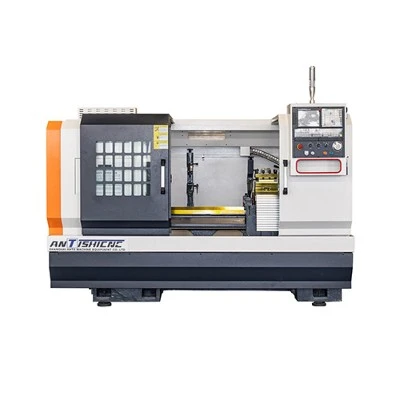
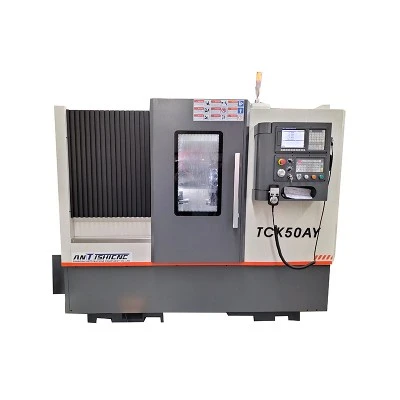
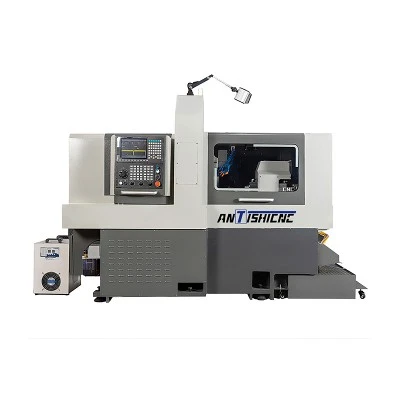
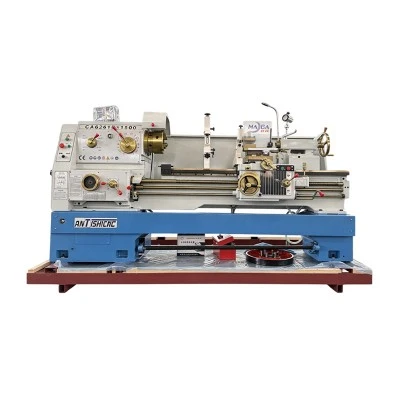
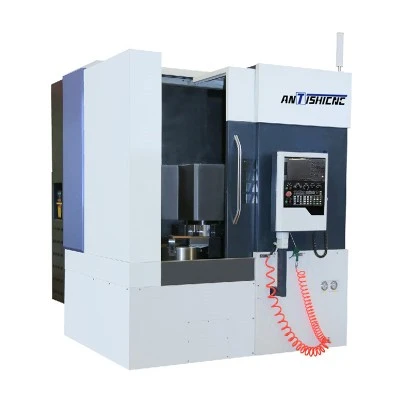
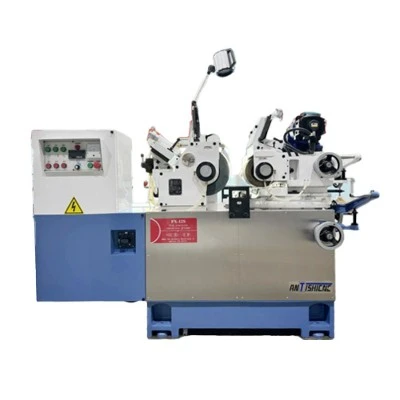
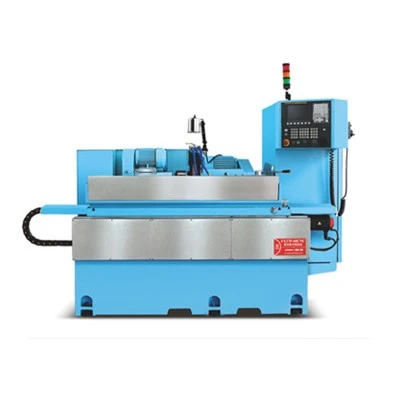
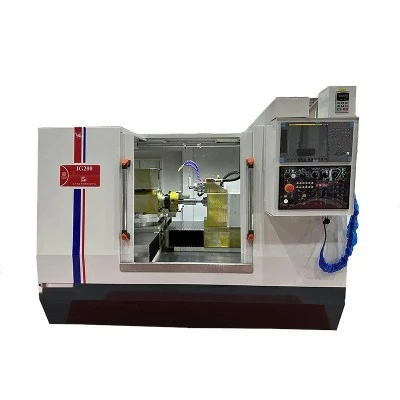
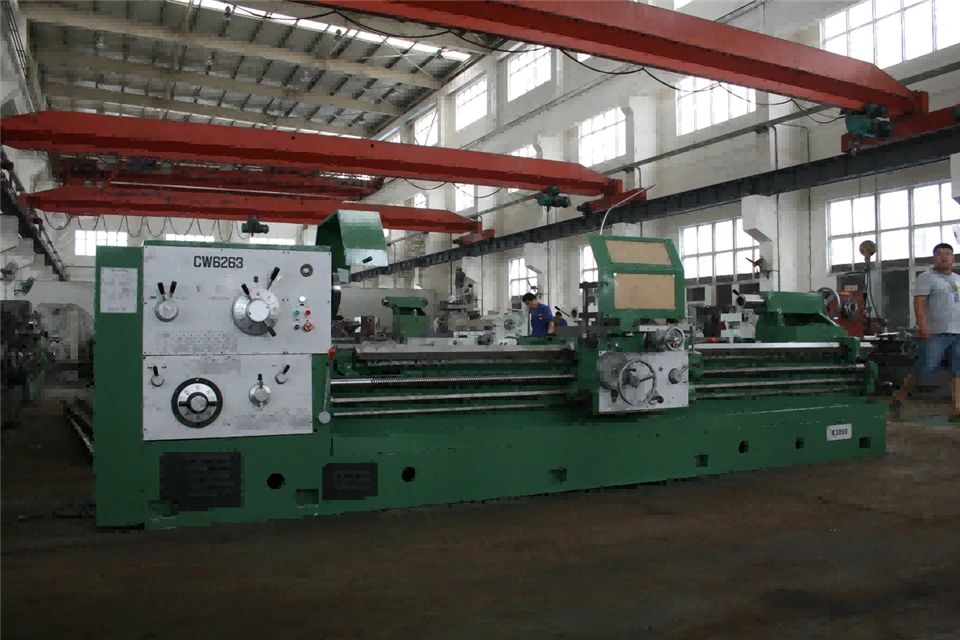
At our company, we offer a wide range of Traditional Lathes that are designed to provide reliable performance and precision machining. Our lathes are built with high-quality components and are available in a variety of sizes and configurations to meet the needs of different applications.
In addition to our traditional lathes, we also offer Universal Lathes and Heavy Duty Metal Lathes for more demanding machining tasks. Whether you're a hobbyist or a professional machinist, we have the right lathe for you.
Contact Us for Purchasing
If you're in the market for a traditional lathe or have any questions about selecting the appropriate cutting speed, we'd love to hear from you. Our team of experts is available to provide you with personalized advice and assistance to help you make the right choice for your needs. Contact us today to start the purchasing and negotiation process, and let us help you take your machining operations to the next level.
References
- "Machinery's Handbook" by Industrial Press Inc.
- "Modern Machining Technology" by Robert L. Norton


