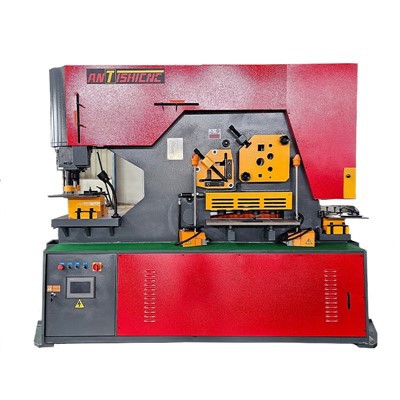
Transporting a cylindrical machine safely is a critical task that requires careful planning, specialized equipment, and strict adherence to safety protocols. As a supplier of Cylindrical Machine, I understand the importance of ensuring that these valuable and often delicate machines reach their destination in perfect condition. In this blog post, I will share some essential tips and best practices for transporting cylindrical machines safely.
Pre - Transport Preparation
Machine Inspection
Before any transportation, a thorough inspection of the cylindrical machine is necessary. Check for any loose parts, damaged components, or signs of wear and tear. Tighten all bolts and fasteners to prevent them from coming loose during transit. If there are any issues, address them immediately to avoid further damage during transportation. For example, if you are dealing with an External Cylindrical Grinding Machine, ensure that the grinding wheel is properly secured and the control panel is in good working condition.
Documentation
Gather all the necessary documentation related to the machine. This includes the user manual, maintenance records, and any certificates of compliance. Having these documents on hand can be very helpful in case of any customs inspections or if the recipient needs to refer to them for installation and operation.
Disassembly (if required)
In some cases, it may be necessary to disassemble the cylindrical machine into smaller parts for easier transportation. This is especially true for large - scale machines. However, disassembly should be done carefully, following the manufacturer's instructions. Label all the parts clearly and keep track of the disassembly process so that reassembly at the destination is straightforward. For instance, if you are transporting a machine for Large Od Grinding, which may be quite large, disassembly can reduce the overall size and weight for shipping.
Packaging
Custom - Made Crates
Invest in high - quality, custom - made crates for packaging the cylindrical machine. The crates should be designed to fit the machine precisely, providing maximum protection. Use sturdy materials such as hardwood or heavy - duty plywood. Line the inside of the crate with shock - absorbing materials like foam or rubber to cushion the machine from vibrations and impacts during transit.
Securing the Machine Inside the Crate
Once the machine is placed inside the crate, secure it firmly to prevent movement. Use straps, brackets, or bolts to fix the machine in place. Make sure that all the parts are well - supported and that there is no room for the machine to shift around during transportation.
Sealing the Crate
After the machine is secured inside the crate, seal the crate properly. Use strong adhesives or nails to ensure that the crate remains intact during transit. Additionally, label the crate clearly with information such as the machine's name, model number, handling instructions, and the destination address.
Choosing the Right Transport Method
Road Transport
Road transport is a common option for transporting cylindrical machines, especially for local or regional deliveries. When choosing a road transport provider, look for a company with experience in transporting heavy and oversized equipment. Ensure that the truck is equipped with proper suspension and tie - down points to secure the crate. The driver should also be trained in handling such loads and following safety regulations.
Rail Transport
For longer - distance domestic deliveries, rail transport can be a cost - effective and reliable option. Railways are generally more stable than roads, which can reduce the risk of damage due to vibrations. However, proper loading and unloading procedures need to be followed to ensure the safety of the machine. Coordinate with the rail transport company to ensure that they have the necessary equipment and expertise to handle the cylindrical machine.
Air Transport
Air transport is the fastest option but is also the most expensive. It is suitable for urgent deliveries or when the destination is far away. When using air transport, make sure that the packaging meets the airline's requirements. The machine should be lightweight and compact enough to fit into the aircraft's cargo hold. Special handling procedures may also be required for air - freighted cylindrical machines.
Sea Transport
For international deliveries, sea transport is often the preferred choice. When shipping by sea, the crate should be designed to withstand the harsh marine environment. It should be resistant to moisture, saltwater, and corrosion. The shipping container should be properly secured on the vessel to prevent it from shifting during rough seas.
Loading and Unloading
Professional Handling
Loading and unloading the cylindrical machine should be done by trained professionals. They should have the necessary equipment, such as cranes, forklifts, or pallet jacks, to handle the heavy load safely. The handlers should also follow proper lifting techniques to avoid injury and damage to the machine.
Inspection After Loading and Unloading
After loading the machine onto the transport vehicle and after unloading it at the destination, conduct a thorough inspection. Check for any signs of damage that may have occurred during the loading or unloading process. If any damage is found, document it immediately and notify the relevant parties.
Monitoring During Transit
Tracking Systems
Use tracking systems to monitor the location and condition of the cylindrical machine during transit. Many transport companies offer real - time tracking services, which allow you to keep an eye on the machine's progress. This can help you anticipate any delays or issues and take appropriate action.
Vibration and Shock Sensors
Install vibration and shock sensors on the crate to detect any excessive movement or impact during transit. These sensors can provide valuable data on the conditions the machine has been exposed to. If abnormal readings are detected, you can investigate further to determine if the machine has been damaged.


Reassembly and Installation at the Destination
Professional Installation
Once the cylindrical machine arrives at its destination, it should be reassembled and installed by trained technicians. They should follow the manufacturer's instructions carefully to ensure that the machine is installed correctly and is ready for operation.
Testing
After installation, conduct a series of tests to ensure that the machine is working properly. This includes checking the functionality of all components, calibrating the machine, and running test operations. If any issues are found during testing, address them immediately before putting the machine into full - scale use.
Conclusion
Transporting a cylindrical machine safely is a multi - step process that requires attention to detail at every stage. From pre - transport preparation to post - installation testing, each step plays a crucial role in ensuring that the machine reaches its destination in perfect condition. As a Cylindrical Machine supplier, I am committed to providing my customers with high - quality machines and reliable transportation solutions. If you are interested in purchasing a cylindrical machine or need advice on transporting one, please feel free to contact us for further discussion. We are here to help you make the best decisions for your business.
References
- General knowledge of industrial equipment transportation.
- Manufacturer's guidelines for cylindrical machines.