


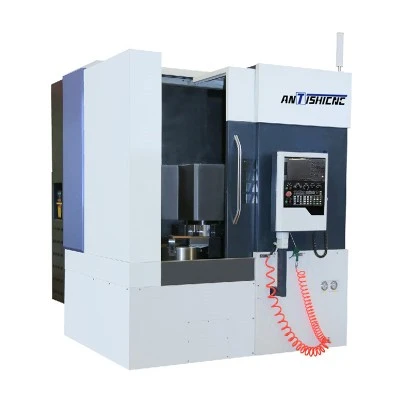
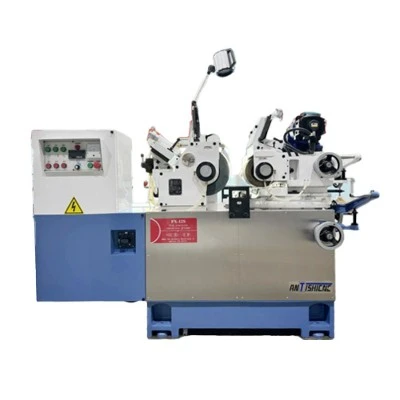
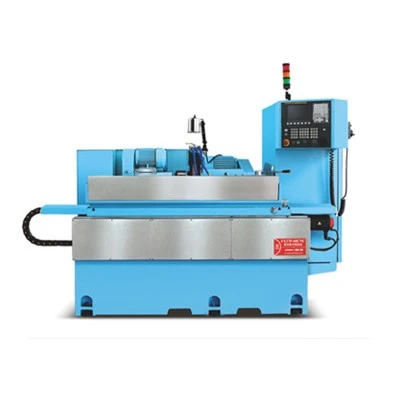
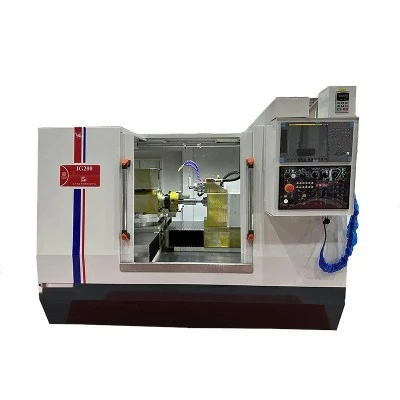

Hey there! As a supplier of traditional lathes, I've seen my fair share of issues, and one of the most common problems customers face is rapid tool wear. It can be a real headache, but don't worry – I'm here to help you troubleshoot this issue.
Understanding the Basics of Tool Wear
Before we dive into troubleshooting, let's quickly go over why tool wear happens in the first place. When you're using a traditional lathe, the cutting tool is constantly in contact with the workpiece. This friction generates heat and causes the tool to gradually wear down. There are a few factors that can speed up this process:
- Incorrect Cutting Speed: If the cutting speed is too high, it can generate excessive heat, which will cause the tool to wear out faster. On the other hand, if the speed is too low, the tool may not cut efficiently, leading to increased wear.
- Improper Feed Rate: The feed rate refers to how fast the tool moves along the workpiece. If the feed rate is too high, the tool may not have enough time to remove the material properly, causing it to wear out quickly. A feed rate that's too low can also be a problem, as it can lead to excessive rubbing and heat generation.
- Wrong Tool Material: Different materials are suitable for different types of work. Using the wrong tool material for the job can result in rapid wear. For example, if you're cutting a hard material with a tool that's not designed for it, the tool will wear out much faster.
- Poor Workpiece Material Quality: If the workpiece material has impurities or is not properly heat-treated, it can cause the tool to wear out more quickly.
Troubleshooting Steps
Check the Cutting Speed
The first thing you should do when you notice rapid tool wear is to check the cutting speed. You can usually find the recommended cutting speed for your specific tool and workpiece material in the lathe's manual or the tool manufacturer's guidelines.
To adjust the cutting speed on a traditional lathe, you'll need to change the pulley settings or use the variable speed control if your lathe has one. Make sure to follow the instructions carefully to avoid any damage to the lathe.
If you're not sure what the correct cutting speed should be, start with a lower speed and gradually increase it until you find the optimal setting. You can also try using a cutting speed calculator, which is available online for free.
Evaluate the Feed Rate
Next, take a look at the feed rate. Similar to the cutting speed, there are recommended feed rates for different tools and workpiece materials. You can find these in the lathe manual or the tool manufacturer's documentation.
To adjust the feed rate, you'll need to change the gear settings on the lathe. This can be a bit tricky, so it's a good idea to refer to the manual for detailed instructions.
If you're experiencing rapid tool wear, try reducing the feed rate slightly. This will give the tool more time to remove the material properly and reduce the amount of heat generated.
Examine the Tool Material
As mentioned earlier, using the wrong tool material can lead to rapid wear. Make sure you're using a tool that's suitable for the type of work you're doing.
For example, if you're cutting a hard material like stainless steel, you'll need a tool made of a high-speed steel or a carbide insert. On the other hand, if you're working with a softer material like aluminum, a high-speed steel tool may be sufficient.
If you're not sure which tool material to use, consult with the tool manufacturer or a knowledgeable supplier. They can help you choose the right tool for your specific application.
Inspect the Workpiece Material
The quality of the workpiece material can also have a significant impact on tool wear. Check the workpiece for any impurities, cracks, or unevenness. If you notice any issues, it may be necessary to replace the workpiece or have it properly heat-treated.
You can also try using a coolant or lubricant when cutting the workpiece. This can help reduce the heat generated and extend the life of the tool. Make sure to choose a coolant or lubricant that's compatible with the tool and workpiece material.
Check the Tool Geometry
The geometry of the tool can also affect its performance and wear rate. Make sure the tool is properly ground and has the correct rake angle, clearance angle, and cutting edge radius.
If the tool is not properly ground, it may not cut efficiently, leading to increased wear. You can have the tool re-ground by a professional or use a tool grinder to do it yourself if you have the necessary skills and equipment.
Look for Other Issues
In some cases, rapid tool wear may be caused by other issues, such as a misaligned lathe, a worn-out spindle bearing, or a loose tool holder. Check the lathe for any signs of misalignment or damage. Make sure the spindle bearing is in good condition and that the tool holder is securely tightened.
If you're not sure how to check for these issues, it's a good idea to have a professional technician inspect the lathe. They can identify and fix any problems that may be causing the rapid tool wear.
Our Traditional Lathe Offerings
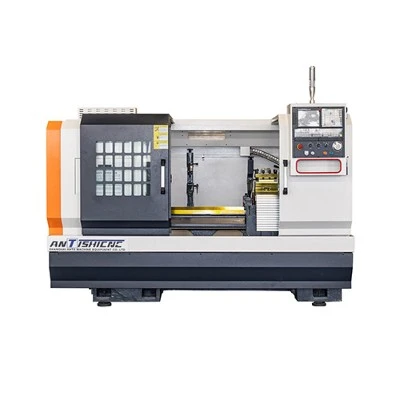
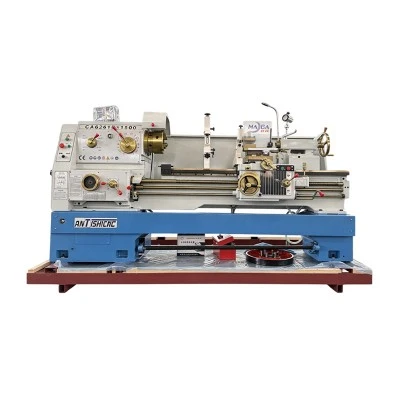
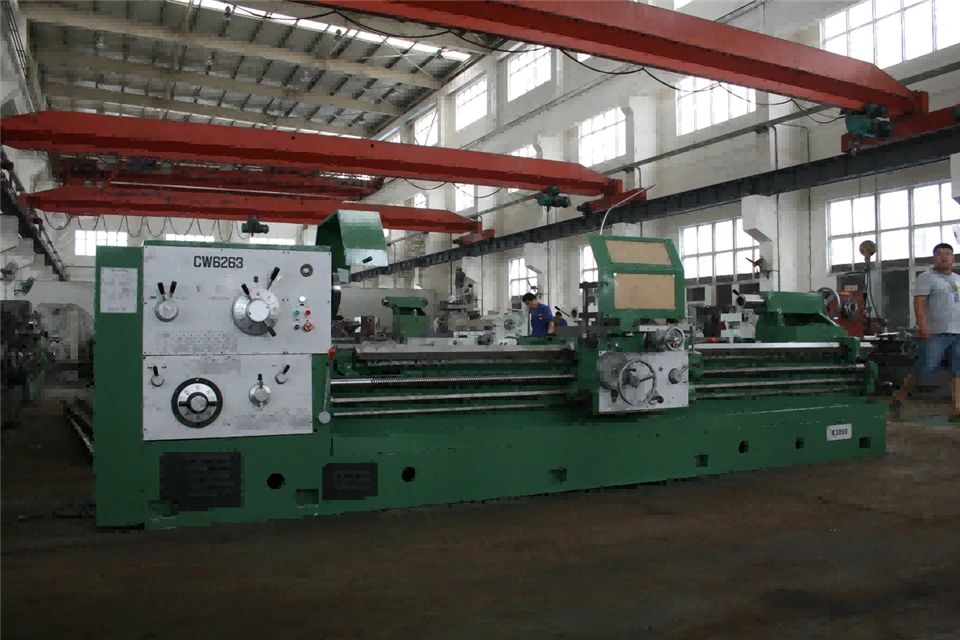
At our company, we offer a wide range of traditional lathes to meet your needs. Whether you're looking for a 7 Feet Lathe Machine, an Extra Heavy Duty Lathe Machine, or a Universal Lathe, we've got you covered.
Our lathes are built to last and are designed to provide reliable performance. We also offer a variety of tools and accessories to help you get the most out of your lathe.
If you're experiencing rapid tool wear or any other issues with your lathe, don't hesitate to contact us. Our team of experts is here to help you troubleshoot the problem and find the best solution for your needs.
Conclusion
Rapid tool wear can be a frustrating problem, but by following the troubleshooting steps outlined in this blog post, you should be able to identify and fix the issue. Remember to check the cutting speed, feed rate, tool material, workpiece material, tool geometry, and look for any other issues that may be causing the problem.

If you're in the market for a new traditional lathe or need help with your existing one, we're here to assist you. Contact us today to learn more about our products and services and to start a conversation about your specific requirements.
References
- "Machining Fundamentals" by John A. Schey
- "Metal Cutting Principles" by Peter Oxley


