


Is it difficult to learn to operate a large lathe machine? This is a question that often pops up among those interested in the machining industry. As a supplier of large lathe machines, I've had the opportunity to interact with numerous operators, beginners, and experts alike. In this blog, I'll share my insights on the learning curve associated with operating large lathe machines.
Understanding the Basics of a Large Lathe Machine
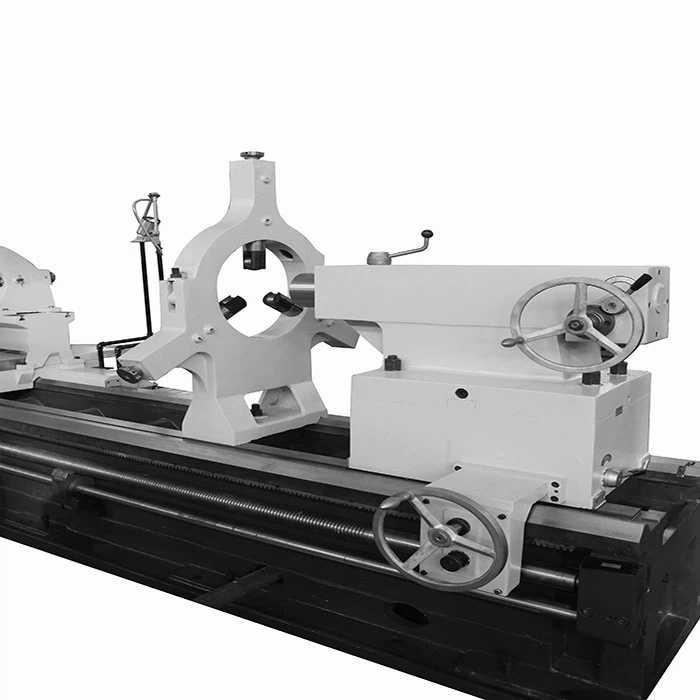
Before we delve into the difficulty level of learning to operate a large lathe machine, it's essential to understand what a large lathe machine is. A large lathe machine is a powerful tool used in manufacturing and metalworking. It rotates a workpiece on its axis to perform various operations such as cutting, sanding, knurling, drilling, or deformation.
There are different types of large lathe machines, including Heavy Lathe Machine and Heavy Lathe. These machines are designed to handle heavy and large workpieces, making them ideal for industries such as automotive, aerospace, and construction.
Factors Affecting the Learning Difficulty
Several factors contribute to the difficulty of learning to operate a large lathe machine.
Machine Complexity
Large lathe machines are more complex than smaller ones. They have more controls, settings, and functions. For example, a large lathe machine may have multiple axes of movement, allowing for more precise and complex machining operations. Understanding how to operate these controls and settings can be challenging, especially for beginners.
Safety Considerations
Safety is of utmost importance when operating a large lathe machine. These machines can be dangerous if not used correctly. Operators need to be aware of safety procedures, such as wearing appropriate protective gear, following lockout/tagout procedures, and understanding the potential hazards associated with the machine. Learning and adhering to these safety protocols can add to the learning difficulty.
Technical Knowledge
Operating a large lathe machine requires a certain level of technical knowledge. This includes understanding concepts such as cutting speeds, feeds, and depths of cut. Operators also need to be familiar with different types of cutting tools and how to select the appropriate tool for a particular job. Acquiring this technical knowledge can take time and effort.
Hands-on Experience
Like any skill, operating a large lathe machine requires hands-on experience. Reading about the machine and its operations is not enough; operators need to practice using the machine to become proficient. This can be challenging, especially in a professional setting where mistakes can be costly.
Overcoming the Learning Challenges
While learning to operate a large lathe machine can be difficult, there are several ways to overcome these challenges.
Training Programs
Many suppliers, including us, offer training programs for operating large lathe machines. These programs typically include both theoretical and practical components. In the theoretical part, operators learn about the machine's components, functions, and safety procedures. In the practical part, they get hands-on experience operating the machine under the supervision of an experienced instructor.
Online Resources
There are also many online resources available for learning to operate a large lathe machine. These resources include video tutorials, online courses, and forums where operators can ask questions and share their experiences. Online resources can be a convenient and cost-effective way to learn at your own pace.
Mentorship
Having a mentor can be invaluable when learning to operate a large lathe machine. A mentor is an experienced operator who can provide guidance, support, and feedback. They can help you avoid common mistakes and learn from their own experiences.
The Rewards of Learning to Operate a Large Lathe Machine
Despite the challenges, learning to operate a large lathe machine can be very rewarding.
Job Opportunities
There is a high demand for skilled lathe machine operators in the manufacturing industry. By learning to operate a large lathe machine, you can open up a wide range of job opportunities. These jobs often offer good salaries and benefits, as well as the potential for career advancement.
Creativity and Problem-Solving
Operating a large lathe machine allows you to use your creativity and problem-solving skills. You can create unique and complex parts and products, and you'll need to figure out how to overcome challenges and achieve the desired results.
Contribution to the Industry
By learning to operate a large lathe machine, you can contribute to the manufacturing industry. Your skills and expertise can help produce high-quality products that are used in various industries, from automotive to aerospace.
Conclusion
In conclusion, learning to operate a large lathe machine can be difficult, but it is definitely achievable. With the right training, resources, and hands-on experience, you can overcome the challenges and become a skilled operator. As a supplier of large lathe machines, we are committed to providing our customers with the support and resources they need to succeed. If you're interested in learning more about our large lathe machines or our training programs, please don't hesitate to contact us for a procurement discussion.
References
- "Machining Handbook" by Industrial Press Inc.
- "Lathe Operations Manual" by various manufacturers


