


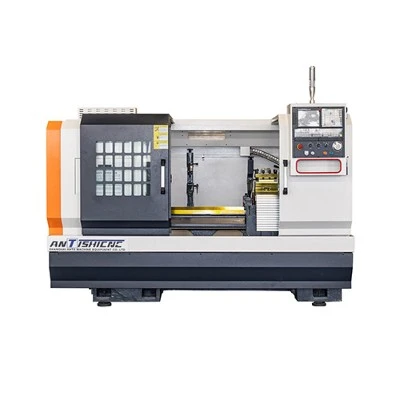
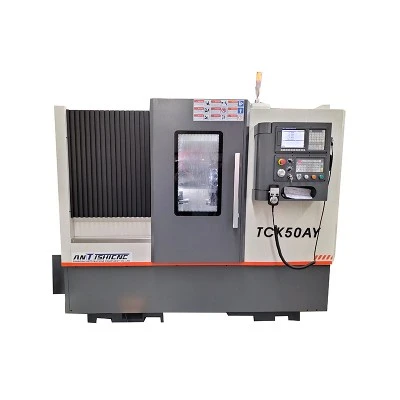
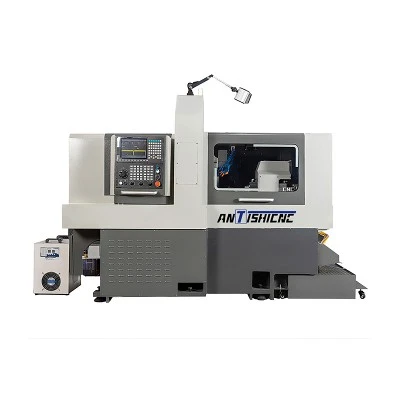
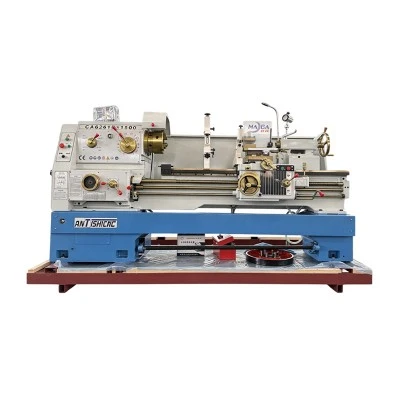
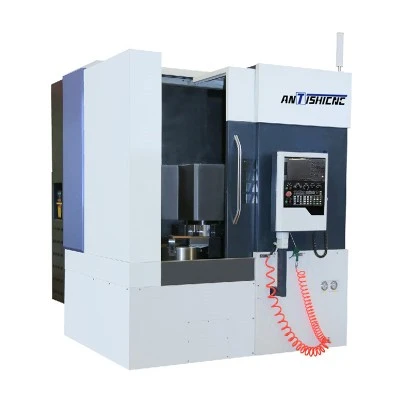
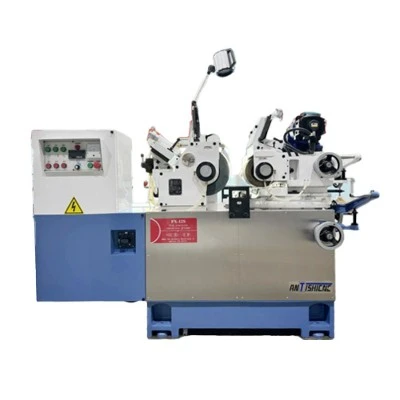
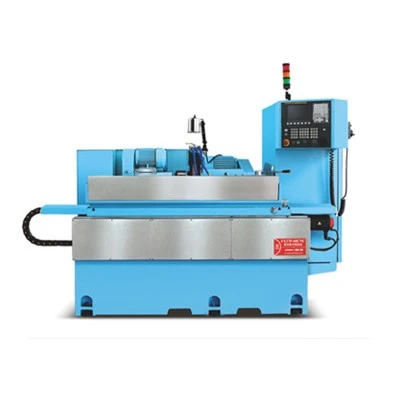
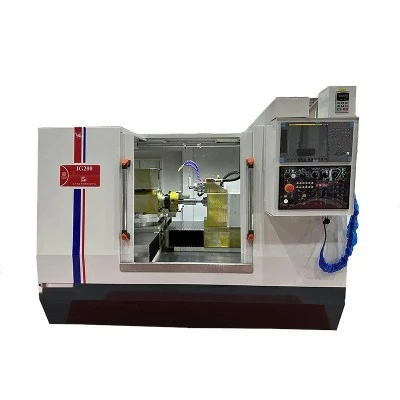
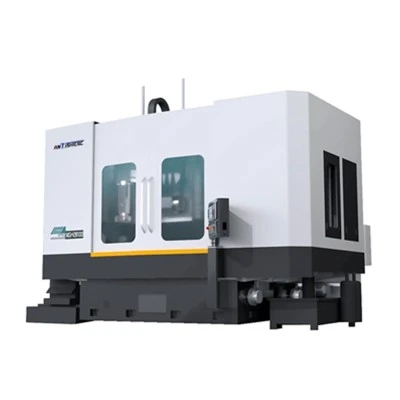
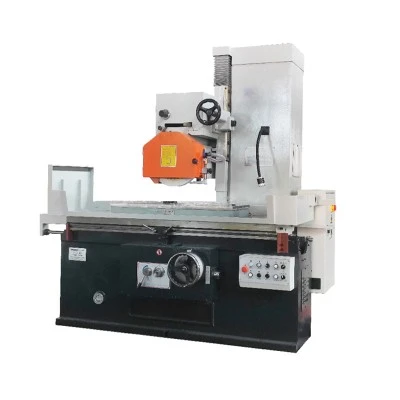
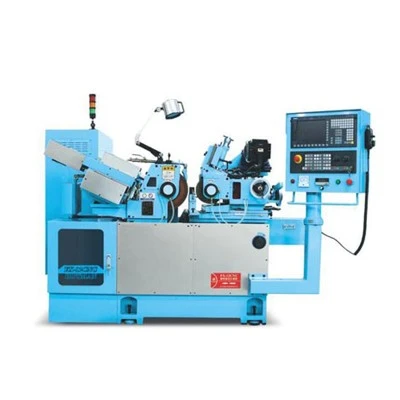
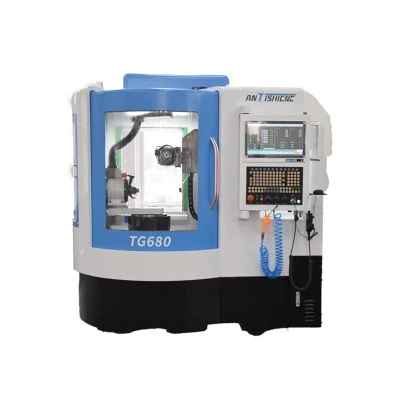

Hey there! As a supplier of Cylindrical Machines, I often get asked about the replacement intervals for spare parts. It's a crucial topic because getting it right can save you a ton of money and keep your machine running smoothly. So, let's dive into it.
First off, what exactly is a Cylindrical Machine? Well, it's a type of equipment used for various machining operations, like grinding. You can check out more about it here. These machines are pretty complex and have a bunch of different parts that wear out over time.
1. Grinding Wheels
One of the most important parts of a cylindrical machine is the grinding wheel. It's responsible for shaping and finishing the workpiece. The replacement interval for grinding wheels depends on a few factors.
- Usage Frequency: If you're using the machine all day, every day, the grinding wheel will wear out faster. In a high - volume production environment, you might need to replace the grinding wheel every few days or weeks. For example, if you're running multiple shifts and grinding a large number of parts, the wheel can lose its sharpness and shape quickly.
- Material Being Ground: Different materials have different hardness levels. Grinding hard materials like stainless steel or carbide will cause more wear on the wheel compared to softer materials like aluminum. If you're constantly grinding hard materials, you may need to replace the wheel more frequently, perhaps every 1 - 2 weeks. On the other hand, if you're working with softer materials, you could go a month or more between replacements.
You can find some great External Cylindrical Grinders that come with high - quality grinding wheels, but even the best ones will need to be replaced eventually.
2. Bearings
Bearings are another critical component. They allow the moving parts of the machine to rotate smoothly. The replacement interval for bearings is also affected by several factors.
- Load and Speed: If the machine is operating at high speeds or carrying heavy loads, the bearings will experience more stress. In a high - speed grinding operation, the bearings might need to be replaced every 6 - 12 months. For a machine that runs at lower speeds and lighter loads, you could extend this interval to 1 - 2 years.
- Lubrication: Proper lubrication is essential for bearing life. If the lubricant is not changed regularly or if there's not enough lubrication, the bearings will wear out faster. Make sure to follow the manufacturer's recommendations for lubrication intervals. If you neglect lubrication, you might find yourself replacing bearings every 3 - 6 months.
3. Belts
Belts are used to transfer power from the motor to different parts of the machine. Their replacement interval depends on how much they're used and the tension applied.


- Tension and Alignment: If the belts are too tight or misaligned, they will wear out quickly. A well - aligned and properly tensioned belt can last 6 - 12 months. However, if there are alignment issues, you might need to replace the belts every 3 - 6 months.
- Load and Frequency: High - load operations and frequent starts and stops can also reduce belt life. In a production environment with a lot of on - off cycles, the belts may need to be replaced every 4 - 8 months.
4. Filters
Filters are important for keeping the machine's hydraulic and coolant systems clean. They prevent dirt, debris, and contaminants from damaging the internal components.
- Contamination Level: If the working environment is dirty or if the coolant is contaminated easily, the filters will need to be replaced more often. In a dusty workshop, you might need to replace the filters every 1 - 2 months. In a cleaner environment, you could go 3 - 6 months between replacements.
- Flow Rate: A high flow rate through the filter can also cause it to clog faster. If the machine has a high - capacity coolant system, the filters may need to be changed more frequently.
5. Tooling
Tooling, such as the cutting tools used in some cylindrical machines, has its own replacement intervals.
- Cutting Edge Wear: The cutting edge of the tool will wear down over time. In a precision machining operation, even a small amount of wear can affect the quality of the finished part. Depending on the material being cut and the cutting parameters, you might need to replace the tooling every few hours or days. For example, in a high - precision grinding operation where the tolerance is very tight, the tooling could need to be replaced after just a few hundred parts.
- Chip Formation: If the chips are not removed properly during the cutting process, they can cause more wear on the tooling. Make sure to have an effective chip removal system in place to extend tool life.
6. Electrical Components
Electrical components like motors, switches, and sensors also have a limited lifespan.
- Temperature and Humidity: High temperatures and humidity can damage electrical components. In a hot and humid workshop, the electrical components might need to be replaced every 1 - 2 years. In a more controlled environment, you could extend this interval to 2 - 3 years.
- Usage Frequency: Frequent on - off cycles can also reduce the life of electrical components. If the machine is turned on and off multiple times a day, the components may wear out faster.
General Tips for Extending Spare Part Life
- Regular Maintenance: Perform regular inspections and maintenance on your cylindrical machine. This includes cleaning, lubricating, and checking for any signs of wear or damage.
- Training: Make sure your operators are properly trained. They should know how to use the machine correctly, set the right parameters, and identify early signs of part wear.
- Quality Parts: Always use high - quality spare parts. While they might cost more upfront, they will last longer and save you money in the long run.
In conclusion, the replacement intervals for spare parts of a cylindrical machine can vary widely depending on many factors. By understanding these factors and following the tips I've shared, you can optimize the performance of your machine and reduce downtime.
If you're in the market for a new Cylindrical Machine or need to source high - quality spare parts, I'd love to help. Whether you're a small - scale workshop or a large - scale manufacturing plant, we have the products and expertise to meet your needs. Don't hesitate to reach out for a quote or to discuss your specific requirements.
References
- Manufacturer's manuals for cylindrical machines
- Industry standards for machining equipment maintenance
- Technical papers on wear and tear of machine components


