


In the realm of heavy - duty machining, understanding the cutting force distribution in a heavy lathe machine is of paramount importance. As a reputable supplier of heavy lathe machines, I've witnessed firsthand how a deep understanding of this concept can significantly enhance the efficiency, precision, and longevity of these powerful tools.
The Basics of Cutting Force in Heavy Lathe Machines
Cutting force is the force exerted by the cutting tool on the workpiece during the machining process. In a heavy lathe machine, this force is a result of the interaction between the cutting edge of the tool and the material being cut. It can be divided into three main components: the tangential force, the radial force, and the axial force.
The tangential force, also known as the cutting force, acts in the direction of the cutting speed. It is responsible for removing material from the workpiece and is the most significant component in terms of power consumption. A large tangential force requires more power from the lathe's motor, and it can also cause vibrations in the machine if not properly managed.
The radial force acts perpendicular to the cutting speed direction and towards the center of the workpiece. This force can cause deflection of the workpiece and the cutting tool, leading to dimensional inaccuracies in the machined part. In a heavy lathe machine, where large - diameter workpieces are often processed, controlling the radial force is crucial to ensure high - quality machining.
The axial force acts parallel to the axis of the workpiece. It is generally smaller than the tangential and radial forces but can still have an impact on the stability of the machining process. For example, in some turning operations, a large axial force can cause the workpiece to move axially, affecting the accuracy of the machined surface.
Factors Affecting Cutting Force Distribution
Several factors influence the cutting force distribution in a heavy lathe machine. One of the most important factors is the material properties of the workpiece. Different materials have different mechanical properties, such as hardness, toughness, and ductility. Harder materials generally require higher cutting forces, as the cutting tool has to overcome greater resistance to remove material. For instance, machining stainless steel, which is relatively hard and tough, will result in higher cutting forces compared to machining aluminum, a softer and more ductile material.
The geometry of the cutting tool also plays a significant role. The rake angle, clearance angle, and cutting edge radius all affect how the tool interacts with the workpiece. A positive rake angle reduces the cutting force by allowing the tool to shear the material more easily. However, too large a positive rake angle can weaken the cutting edge, leading to premature tool wear. On the other hand, a negative rake angle increases the strength of the cutting edge but also increases the cutting force.
The cutting parameters, including cutting speed, feed rate, and depth of cut, have a direct impact on the cutting force distribution. Increasing the cutting speed generally reduces the cutting force, as the material is removed more quickly and with less resistance. However, extremely high cutting speeds can cause excessive tool wear and heat generation. The feed rate, which is the distance the tool advances per revolution of the workpiece, also affects the cutting force. A higher feed rate increases the amount of material removed per unit time, resulting in higher cutting forces. Similarly, increasing the depth of cut increases the cutting force, as more material needs to be removed in each pass.
Measuring and Analyzing Cutting Force Distribution
To optimize the performance of a heavy lathe machine, it is essential to measure and analyze the cutting force distribution. There are several methods available for measuring cutting forces. One common method is to use a dynamometer, which is a device that can measure the forces acting on the cutting tool. Dynamometers can be either piezoelectric or strain - gauge based. Piezoelectric dynamometers are highly sensitive and can measure very small changes in force, making them suitable for high - precision machining applications. Strain - gauge dynamometers, on the other hand, are more robust and can withstand higher forces, making them ideal for heavy - duty machining operations.
Once the cutting forces are measured, the data can be analyzed to understand the cutting force distribution. This analysis can help identify areas where the cutting force is too high, which may lead to tool wear, workpiece deflection, or poor surface finish. By adjusting the cutting parameters or the tool geometry, the cutting force distribution can be optimized to improve the machining efficiency and quality.
Importance of Understanding Cutting Force Distribution for Our Heavy Lathe Machines
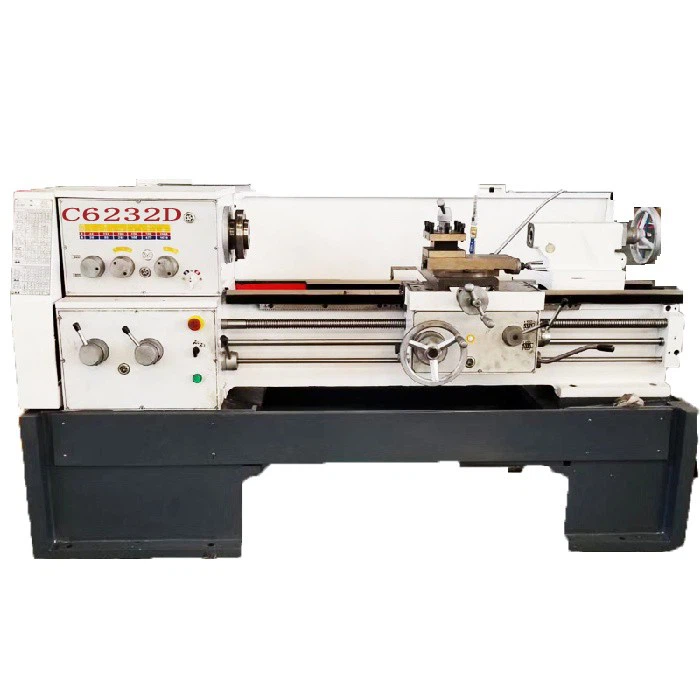
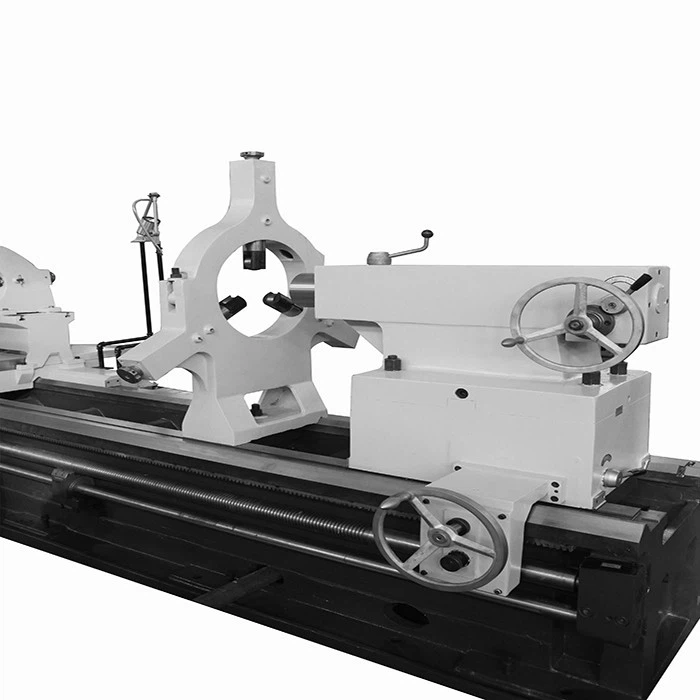
As a supplier of Heavy Lathe Machine, we understand the critical role that cutting force distribution plays in the performance of our machines. By providing our customers with in - depth knowledge about cutting force distribution, we can help them make the most of our heavy lathe machines.
For example, if a customer is experiencing high tool wear or poor surface finish, we can analyze the cutting force distribution to determine the root cause. If the radial force is too high, we may recommend adjusting the cutting parameters or using a different cutting tool with a more suitable geometry. By optimizing the cutting force distribution, we can help our customers reduce their machining costs, improve the quality of their products, and increase the productivity of their manufacturing processes.
Applications and Case Studies
Let's take a look at some real - world applications and case studies to illustrate the importance of understanding cutting force distribution in a heavy lathe machine.
In the aerospace industry, where high - precision components are required, controlling the cutting force distribution is essential. For example, when machining turbine blades, which are made of high - strength alloys, even a small deviation in the cutting force can lead to dimensional inaccuracies and surface defects. By carefully analyzing the cutting force distribution and adjusting the cutting parameters, aerospace manufacturers can ensure the high - quality production of these critical components.
Another example is in the automotive industry. When machining engine blocks, which are large and complex workpieces, the cutting force distribution needs to be carefully managed to avoid deflection of the workpiece and ensure accurate machining. By using advanced cutting tools and optimizing the cutting parameters, automotive manufacturers can improve the efficiency and quality of their engine block machining processes.
Related Products and Their Role in Cutting Force Management
As a supplier, we offer a range of products that can help our customers manage the cutting force distribution in their heavy lathe machines. Our Universal Lathe Stand provides a stable foundation for the lathe machine, reducing vibrations and improving the overall stability of the machining process. A stable machine is less likely to be affected by the cutting forces, resulting in more accurate and consistent machining.
Our 7 Feet Lathe Machine is designed to handle large - scale turning operations with high precision. With advanced control systems and high - quality components, this machine can effectively manage the cutting force distribution, ensuring optimal performance in heavy - duty machining applications.
Conclusion and Call to Action
In conclusion, understanding the cutting force distribution in a heavy lathe machine is essential for achieving high - quality machining, reducing costs, and increasing productivity. As a supplier, we are committed to providing our customers with the knowledge, products, and support they need to optimize the cutting force distribution in their machining processes.
If you are interested in learning more about our heavy lathe machines or have any questions about cutting force distribution, we encourage you to reach out to us. Our team of experts is ready to assist you in finding the best solutions for your machining needs. Whether you are a small - scale manufacturer or a large - scale industrial enterprise, we have the products and expertise to help you succeed in your machining operations.
References
- Boothroyd, G., & Knight, W. A. (2006). Fundamentals of machining and machine tools. Marcel Dekker.
- Kalpakjian, S., & Schmid, S. R. (2009). Manufacturing engineering and technology. Pearson Prentice Hall.
- Trent, E. M., & Wright, P. K. (2000). Metal cutting. Butterworth - Heinemann.


