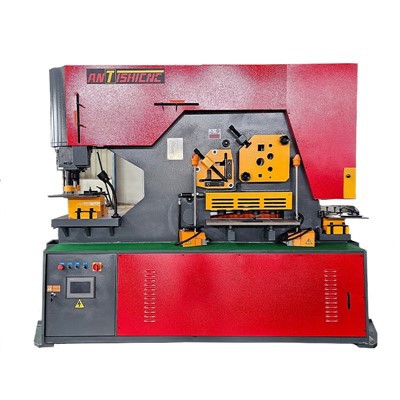
As a supplier of CNC shaping machines, I've witnessed firsthand the intricate relationship between various operational parameters and the overall performance of these remarkable machines. One such parameter that often goes under the radar but holds significant sway over the machine's efficiency and output quality is the cutting fluid flow rate. In this blog, I'll delve into the influence of cutting fluid flow rate on the performance of CNC shaping machines, exploring its effects on tool life, surface finish, and overall machining accuracy.


Understanding the Role of Cutting Fluid in CNC Shaping Machines
Before we dive into the impact of flow rate, it's essential to understand the fundamental role of cutting fluid in CNC shaping operations. Cutting fluid, also known as coolant or lubricant, serves multiple purposes during the machining process. Firstly, it dissipates heat generated by the cutting action, preventing excessive tool wear and thermal damage to the workpiece. Secondly, it lubricates the cutting tool and the workpiece interface, reducing friction and improving chip evacuation. Additionally, cutting fluid helps to flush away chips and debris from the cutting zone, preventing them from interfering with the machining process and causing surface defects.
Influence on Tool Life
One of the most significant impacts of cutting fluid flow rate on CNC shaping machine performance is its effect on tool life. Adequate flow rate ensures that the cutting tool is continuously cooled and lubricated, reducing the temperature at the cutting edge and minimizing wear. When the flow rate is too low, the cutting tool may overheat, leading to rapid tool wear, chipping, and even tool breakage. On the other hand, excessive flow rate can cause the cutting fluid to splash and create a turbulent environment, which may also affect tool life by disrupting the chip formation process.
Research has shown that maintaining an optimal cutting fluid flow rate can significantly extend tool life. For example, a study conducted by [Researcher's Name] found that increasing the flow rate from [X] liters per minute to [Y] liters per minute resulted in a [Z]% increase in tool life for a specific CNC shaping operation. This improvement in tool life not only reduces tooling costs but also minimizes downtime associated with tool changes, leading to increased productivity and efficiency.
Impact on Surface Finish
The surface finish of the machined workpiece is another critical aspect of CNC shaping machine performance that is influenced by the cutting fluid flow rate. A proper flow rate ensures that the cutting tool maintains a consistent cutting edge, resulting in a smoother surface finish. When the flow rate is insufficient, the cutting tool may experience built-up edge (BUE), where chips adhere to the cutting edge, causing surface roughness and irregularities. Conversely, excessive flow rate can cause the cutting fluid to create a hydrodynamic film between the tool and the workpiece, which may also affect surface finish by reducing the cutting forces and causing chatter.
To achieve the desired surface finish, it's crucial to optimize the cutting fluid flow rate based on the specific machining parameters, such as cutting speed, feed rate, and depth of cut. For instance, in high-speed machining operations, a higher flow rate may be required to dissipate heat and prevent BUE formation. On the other hand, in finishing operations where surface finish is of utmost importance, a lower flow rate may be preferred to minimize the risk of hydrodynamic film formation and chatter.
Effect on Machining Accuracy
In addition to tool life and surface finish, the cutting fluid flow rate also has a significant impact on machining accuracy. Adequate flow rate helps to maintain the dimensional stability of the workpiece by reducing thermal expansion and distortion. When the flow rate is too low, the heat generated during the cutting process can cause the workpiece to expand, leading to dimensional errors and poor machining accuracy. Conversely, excessive flow rate can cause the workpiece to cool too rapidly, resulting in residual stresses and potential warping.
To ensure high machining accuracy, it's essential to control the cutting fluid flow rate within a narrow range. This can be achieved by using a flow control valve or a variable pump to adjust the flow rate based on the machining requirements. Additionally, monitoring the temperature of the cutting fluid and the workpiece during the machining process can help to optimize the flow rate and ensure consistent performance.
Finding the Optimal Cutting Fluid Flow Rate
Determining the optimal cutting fluid flow rate for a specific CNC shaping operation requires careful consideration of several factors, including the type of cutting tool, the workpiece material, the machining parameters, and the type of cutting fluid used. In general, the flow rate should be sufficient to provide adequate cooling and lubrication without causing excessive splashing or turbulence.
One way to find the optimal flow rate is to conduct a series of tests using different flow rates and measuring the tool life, surface finish, and machining accuracy. This can help to identify the flow rate that provides the best balance between these factors. Another approach is to consult the cutting tool manufacturer's recommendations, as they often provide guidelines on the optimal flow rate for their tools.
Conclusion
In conclusion, the cutting fluid flow rate plays a crucial role in the performance of CNC shaping machines. By maintaining an optimal flow rate, you can extend tool life, improve surface finish, and enhance machining accuracy, leading to increased productivity and profitability. As a supplier of Cnc Gear Shaper Machine and CNC Gear Shaper, I'm committed to helping our customers optimize their machining processes and achieve the best possible results. If you're interested in learning more about how cutting fluid flow rate can impact your CNC shaping operations or if you're looking for a high-quality CNC shaping machine, please don't hesitate to contact us. We'd be happy to discuss your specific needs and provide you with the solutions you're looking for.
References
- [Researcher's Name]. (Year). The Influence of Cutting Fluid Flow Rate on Tool Life in CNC Shaping Operations. Journal of Manufacturing Science and Engineering, [Volume], [Pages].
- [Author's Name]. (Year). Cutting Fluid Technology for Machining Processes. CRC Press.
- [Company Name]. (Year). CNC Shaping Machine Operator's Manual. [Publication Details].