


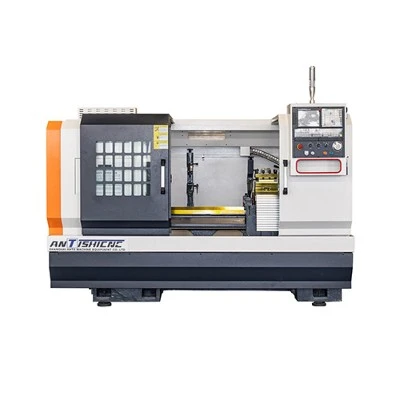
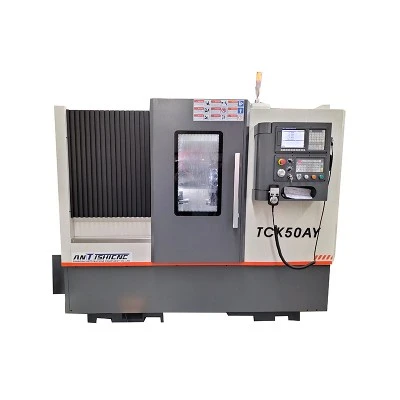
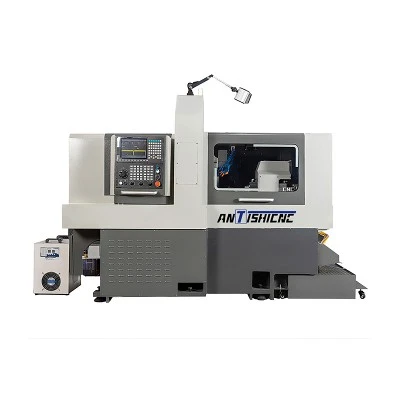
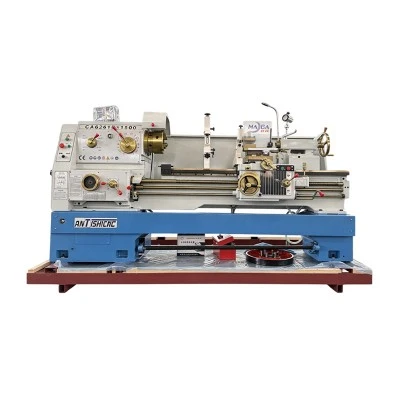

As a supplier of CNC slotting machines, one of the most frequently asked questions I encounter is about the noise level of these machines. Understanding the noise level of a CNC slotting machine is crucial for several reasons, including workplace safety, compliance with regulations, and the overall comfort of operators. In this blog post, I'll delve into the factors that influence the noise level of CNC slotting machines, typical noise levels, and ways to manage and reduce noise in the workplace.
Factors Influencing the Noise Level of CNC Slotting Machines
Machine Design and Construction
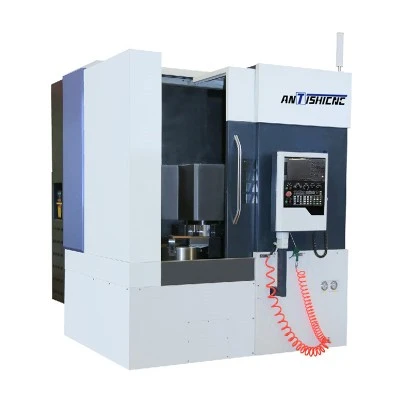
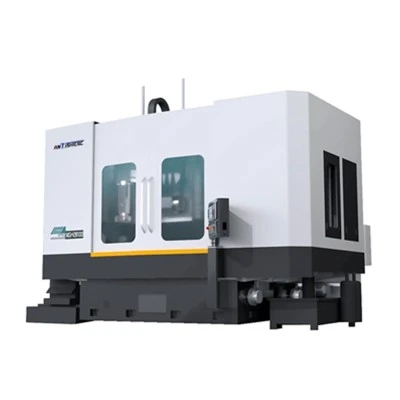
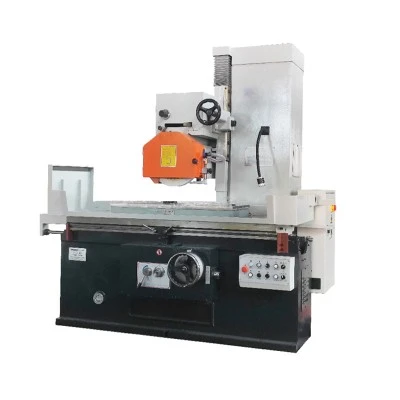
The design and construction of a CNC slotting machine play a significant role in determining its noise level. Machines with well - engineered components and a robust structure tend to produce less noise. For example, a machine with high - quality bearings and gears will operate more smoothly, resulting in lower noise emissions. Additionally, the use of vibration - damping materials in the machine's frame can help reduce the transmission of noise. Our Vertical Slotter is designed with precision and uses advanced materials to minimize noise during operation.
Cutting Parameters
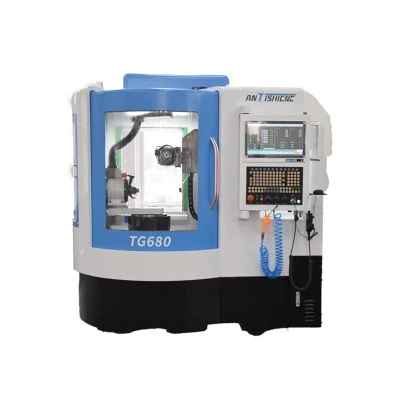
The cutting parameters, such as cutting speed, feed rate, and depth of cut, have a direct impact on the noise level. Higher cutting speeds and deeper cuts generally generate more noise. When the cutting tool engages with the workpiece, it creates vibrations and forces that are transmitted through the machine and into the surrounding environment. Operators need to carefully select the appropriate cutting parameters based on the material being machined and the requirements of the job to keep the noise level under control. For instance, in T Slot Machining, adjusting the cutting parameters can significantly reduce the noise generated during the process.
Tool Condition
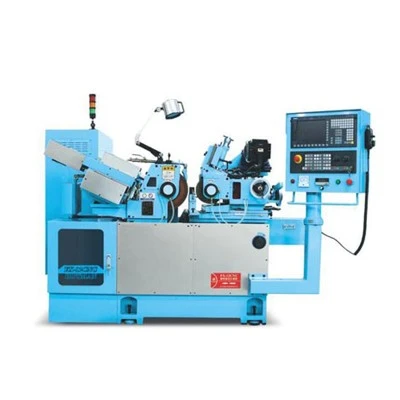
The condition of the cutting tool is another important factor. A dull or worn - out tool will require more force to cut through the material, leading to increased vibrations and noise. Regular tool inspection and replacement are essential to maintain optimal cutting performance and keep the noise level down. Using high - quality cutting tools can also contribute to quieter operation. Our Heavy Duty Slotting Machine is designed to work with a variety of high - performance cutting tools, which helps in reducing noise while ensuring efficient machining.
Typical Noise Levels of CNC Slotting Machines
The noise level of a CNC slotting machine can vary depending on the factors mentioned above. In general, the noise level of a well - maintained and properly operated CNC slotting machine can range from 70 to 90 decibels (dB). A noise level of 70 dB is similar to the sound of a normal conversation, while 90 dB is comparable to the noise of a lawnmower.


It's important to note that continuous exposure to noise levels above 85 dB can cause hearing damage over time. Therefore, it's crucial to monitor the noise level in the workplace and take appropriate measures to protect the operators.
Managing and Reducing Noise in the Workplace
Engineering Controls
One of the most effective ways to reduce noise is through engineering controls. This can include installing sound - absorbing materials in the machine enclosure or the workshop. These materials can absorb and dampen the sound waves, reducing the overall noise level. Additionally, using vibration isolators can help prevent the transmission of vibrations from the machine to the floor, which can also contribute to noise reduction.
Administrative Controls
Administrative controls involve implementing policies and procedures to minimize the exposure of workers to high - noise levels. This can include scheduling breaks for workers in quiet areas, rotating workers between noisy and quiet tasks, and providing training on the importance of hearing protection.
Personal Protective Equipment (PPE)
Personal protective equipment, such as earplugs or earmuffs, should be provided to workers who are exposed to high - noise levels. These devices can reduce the amount of noise reaching the ears and protect the workers' hearing. However, PPE should be used in conjunction with engineering and administrative controls, as it is considered the last line of defense.
Importance of Noise Management for CNC Slotting Machine Suppliers
As a supplier of CNC slotting machines, we understand the importance of noise management. Not only does it contribute to the well - being of the operators, but it also reflects on the quality of our products. A machine that operates quietly is often perceived as a high - quality and well - engineered product. By providing machines with low noise levels and offering solutions for noise reduction, we can enhance the overall customer experience and meet the strict safety and environmental regulations.
Conclusion
The noise level of a CNC slotting machine is influenced by various factors, including machine design, cutting parameters, and tool condition. By understanding these factors and implementing appropriate noise management strategies, we can ensure a safe and comfortable working environment for operators. As a leading supplier of CNC slotting machines, we are committed to providing high - quality machines that operate quietly and efficiently.
If you are interested in learning more about our CNC slotting machines or have any questions regarding noise management, please feel free to contact us for a detailed discussion and to explore potential procurement opportunities. We are here to assist you in finding the best solution for your machining needs.
References
- Machinery's Handbook: A comprehensive reference book on machining processes and machine tools, which provides in - depth information on cutting parameters and noise generation.
- Occupational Safety and Health Administration (OSHA) guidelines on noise exposure in the workplace, which offer valuable information on noise limits and protection measures.


