


Hey there! As a supplier of Flatbed CNC machines, I often get asked about the repeatability of these bad boys. So, I thought I'd take a deep dive into what repeatability means in the context of Flatbed CNC and why it's a big deal.
First off, let's break down what repeatability actually is. In simple terms, repeatability refers to the ability of a Flatbed CNC machine to consistently produce the same results over and over again. When you're running a manufacturing operation, you want to be able to rely on your equipment to churn out parts that are identical within a very tight tolerance. That's where repeatability comes in.

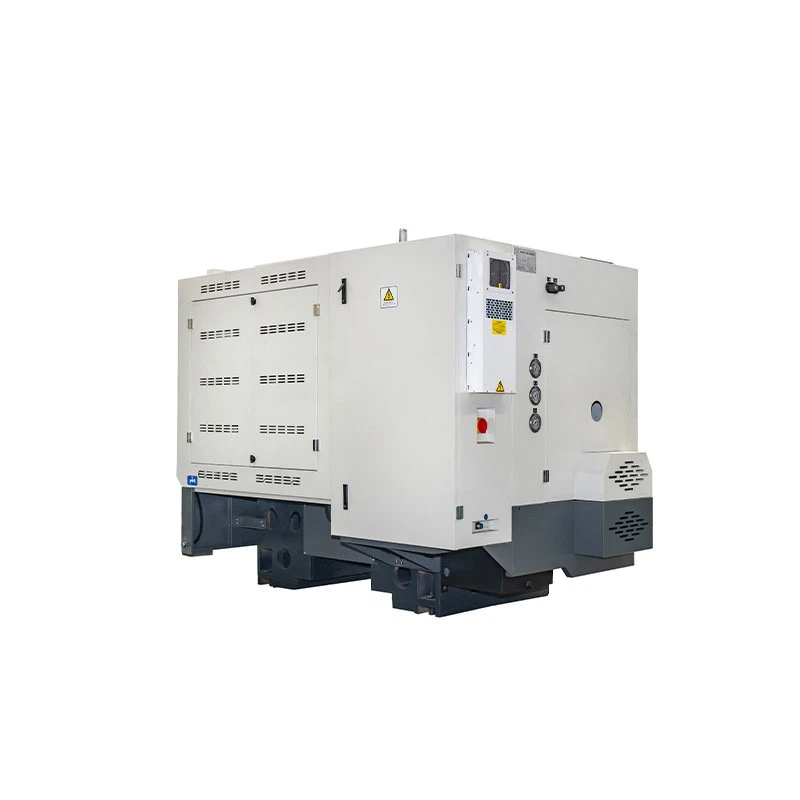
Imagine you're making a batch of precision parts for a high - end automotive application. Each part needs to be exactly the same, or else it won't fit properly in the final assembly. If your Flatbed CNC machine has poor repeatability, you might end up with parts that vary in size, shape, or surface finish. This can lead to all sorts of problems, from increased waste and rework to dissatisfied customers.
So, what factors affect the repeatability of a Flatbed CNC? Well, there are a few key ones.
Machine Structure and Rigidity
The physical structure of the Flatbed CNC plays a huge role in its repeatability. A well - built machine with a rigid frame is less likely to flex or vibrate during operation. When a machine vibrates, it can cause the cutting tool to deviate from its intended path, resulting in inconsistent parts. For example, if the bed of the machine isn't sturdy enough, it might sag under the weight of the workpiece or the forces generated during cutting. This can lead to variations in the depth of cut and the overall dimensions of the part.
Control System
The control system is the brain of the Flatbed CNC. It's responsible for sending commands to the motors that move the cutting tool and the workpiece. A high - quality control system with advanced algorithms can ensure that the machine moves precisely to the programmed positions. It can also compensate for any small errors or variations that might occur during operation. For instance, if there's a slight backlash in the lead screws, the control system can adjust the movement to account for it.
Tooling and Workholding
The quality of the tooling and workholding devices also impacts repeatability. A dull or worn - out cutting tool can produce inconsistent results. It might not cut as cleanly or accurately as a new tool, leading to variations in the surface finish and the dimensions of the part. Similarly, if the workholding device doesn't hold the workpiece securely, it can shift during cutting, causing errors. A good chuck or vise that can grip the workpiece firmly and accurately is essential for maintaining repeatability.
Environmental Conditions
Believe it or not, the environment in which the Flatbed CNC operates can affect its repeatability. Temperature changes, for example, can cause the machine components to expand or contract. This can lead to changes in the dimensions of the machine and the workpiece. Humidity can also have an impact, especially on the electrical components of the control system. To ensure consistent repeatability, it's important to keep the machine in a stable environment with controlled temperature and humidity.
Now, let's talk about how repeatability compares to other types of CNC lathes. For example, a Flat Bed Lathe is known for its simplicity and versatility. It has a flat bed, which provides a large and stable surface for mounting the workpiece and the cutting tool. This stability can contribute to good repeatability, especially for larger and heavier workpieces.
On the other hand, a Slant Bed CNC Lathe Machine has a slanted bed. This design offers some advantages in terms of chip evacuation and accessibility to the cutting area. However, it might require a different approach to achieve the same level of repeatability as a flatbed CNC. The slanted bed can make it a bit more challenging to ensure that the workpiece is held securely and that the cutting forces are distributed evenly.
A Horizontal Slant Bed Lathe combines the features of a horizontal orientation with a slanted bed. It can be a great option for certain applications, but again, the repeatability depends on how well the machine is designed and built.
As a supplier, we take all these factors into account when manufacturing our Flatbed CNC machines. We use high - quality materials and state - of - the - art manufacturing processes to ensure that our machines have excellent repeatability. We also offer comprehensive training and support to our customers to help them get the most out of their machines.
If you're in the market for a Flatbed CNC and repeatability is a top priority for you, we'd love to hear from you. We can provide you with detailed information about our machines, including their repeatability specifications and performance data. Our team of experts can also work with you to understand your specific requirements and recommend the best machine for your application.
Whether you're a small - scale job shop or a large - scale manufacturing facility, having a Flatbed CNC with high repeatability can give you a competitive edge. It can help you increase productivity, reduce costs, and improve the quality of your products. So, don't hesitate to reach out and start a conversation about how our Flatbed CNC machines can meet your needs.
References
- "CNC Machining Handbook" - A comprehensive guide to the principles and practices of CNC machining.
- "Manufacturing Engineering and Technology" - Covers various aspects of manufacturing processes, including CNC machining and the factors that affect machine performance.


