


As a supplier of Shaping Tool Machines, I understand the significance of proper maintenance in ensuring the optimal performance and longevity of these essential industrial tools. In this blog, I will delve into the various maintenance requirements that a Shaping Tool Machine needs to keep it running smoothly and efficiently.
Regular Cleaning
One of the most fundamental maintenance tasks for a Shaping Tool Machine is regular cleaning. Over time, dust, debris, and metal shavings can accumulate on the machine's surfaces, in its moving parts, and in the cutting area. This buildup can cause excessive wear and tear, reduce the machine's accuracy, and even lead to mechanical failures.
To clean the Shaping Tool Machine, start by turning off the power and allowing the machine to cool down. Use a soft brush or compressed air to remove loose debris from the machine's exterior, including the table, column, and base. Pay special attention to the areas around the cutting tool and the ways, as these are prone to collecting the most debris.
Next, clean the cutting tool and the tool holder. Remove the tool from the machine and use a cleaning solvent to remove any chips, coolant, or other contaminants. Inspect the tool for any signs of damage or wear, and replace it if necessary. Clean the tool holder using a brush or a cloth to remove any debris or buildup.
Finally, clean the coolant system. The coolant helps to lubricate the cutting tool, reduce heat, and flush away chips. Over time, the coolant can become contaminated with debris and bacteria, which can affect its performance. Drain the coolant tank and clean it thoroughly using a cleaning solution. Replace the coolant with fresh, clean coolant according to the manufacturer's recommendations.
Lubrication
Proper lubrication is essential for the smooth operation of a Shaping Tool Machine. Lubricants reduce friction between moving parts, prevent wear and tear, and help to dissipate heat. Without adequate lubrication, the machine's components can overheat, seize up, and cause costly damage.
The Shaping Tool Machine has several lubrication points that need to be checked and maintained regularly. These include the ways, the lead screws, the gears, and the bearings. Refer to the machine's operator's manual for the specific lubrication requirements and intervals.
Use the recommended lubricant for each lubrication point. Different parts of the machine may require different types of lubricants, such as oil, grease, or a combination of both. Apply the lubricant evenly and in the correct amount to ensure proper lubrication.
In addition to regular lubrication, it is also important to monitor the lubricant levels and quality. Check the lubricant levels frequently and top up as needed. Inspect the lubricant for any signs of contamination, such as dirt, debris, or water. If the lubricant is contaminated, drain it and replace it with fresh lubricant.
Alignment and Calibration
Proper alignment and calibration are crucial for the accuracy and precision of a Shaping Tool Machine. Over time, the machine's components can become misaligned due to normal wear and tear, vibration, or improper handling. Misalignment can cause the cutting tool to produce inaccurate cuts, reduce the quality of the finished product, and increase the risk of tool breakage.
To ensure proper alignment, the Shaping Tool Machine should be checked and calibrated regularly. This involves checking the alignment of the table, the column, the ram, and the cutting tool. Use precision measuring tools, such as dial indicators and laser alignment systems, to measure the alignment and make any necessary adjustments.
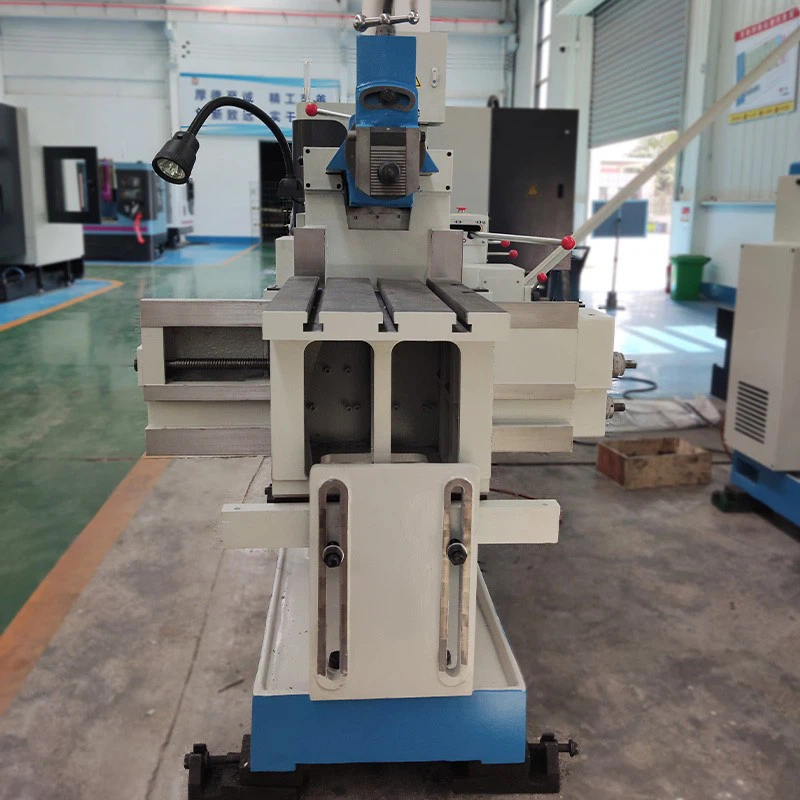

Calibration is also important for maintaining the accuracy of the machine's controls and sensors. The machine's control system should be calibrated to ensure that it is providing accurate feedback and control signals. The sensors, such as the position sensors and the speed sensors, should also be calibrated to ensure that they are providing accurate readings.
Inspection and Maintenance of Electrical Components
The electrical components of a Shaping Tool Machine play a crucial role in its operation. These components include the motor, the control panel, the switches, and the wiring. Regular inspection and maintenance of these components are essential to ensure their safe and reliable operation.
Inspect the electrical components regularly for any signs of damage, such as frayed wires, loose connections, or overheating. Check the insulation of the wires to ensure that it is intact and not damaged. Tighten any loose connections and replace any damaged components immediately.
In addition to visual inspection, it is also important to test the electrical components regularly. Use a multimeter to test the voltage, current, and resistance of the electrical circuits. Check the operation of the switches and the relays to ensure that they are functioning properly.
Maintenance of Cutting Tools
The cutting tools are the most critical components of a Shaping Tool Machine. They are responsible for removing material from the workpiece and producing the desired shape. Proper maintenance of the cutting tools is essential to ensure their sharpness, durability, and performance.
Inspect the cutting tools regularly for any signs of wear, damage, or dullness. Check the cutting edges for chips, cracks, or excessive wear. If the cutting tool is dull, it should be sharpened or replaced. Use a sharpening machine or a professional sharpening service to sharpen the cutting tool to the correct angle and shape.
In addition to regular inspection and sharpening, it is also important to store the cutting tools properly. Store the cutting tools in a clean, dry place to prevent rust and corrosion. Use a tool holder or a tool cabinet to organize the cutting tools and protect them from damage.
Training and Operator Safety
Proper training and operator safety are essential for the safe and efficient operation of a Shaping Tool Machine. Operators should be trained on the proper use and maintenance of the machine, including how to perform basic maintenance tasks, how to operate the machine safely, and how to troubleshoot common problems.
Provide operators with a comprehensive training program that includes both theoretical and practical training. The training program should cover topics such as machine operation, safety procedures, maintenance procedures, and troubleshooting techniques.
In addition to training, it is also important to provide operators with the necessary safety equipment, such as safety glasses, gloves, and ear protection. Ensure that the machine is equipped with safety guards and devices to prevent accidents and injuries.
Conclusion
Proper maintenance is essential for the optimal performance and longevity of a Shaping Tool Machine. By following the maintenance tips outlined in this blog, you can ensure that your Shaping Tool Machine is running smoothly, efficiently, and safely. Regular cleaning, lubrication, alignment, calibration, inspection, and maintenance of the machine's components will help to prevent breakdowns, reduce downtime, and extend the life of the machine.
If you are in the market for a Shaping Tool Machine or need assistance with maintenance and repair, please visit our website at Shaping Tool Machine. We are a leading supplier of Shaping and Planing Machine and Shaping Planer, and we offer a wide range of products and services to meet your needs. Contact us today to learn more about our products and services and to discuss your specific requirements.
References
- Manufacturer's Operator's Manual
- Industry Standards and Guidelines
- Technical Publications and Resources


