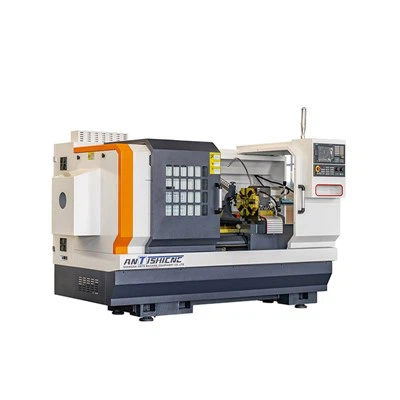
Hey there! As a supplier of CNC Swiss lathes, I'm super stoked to chat about the materials these amazing machines can process. CNC Swiss lathes are pretty versatile, and they can handle a wide range of materials, each with its own unique properties and challenges.
Let's start with metals. Metals are one of the most common materials processed by CNC Swiss lathes. They're used in a ton of industries, from aerospace to automotive, and even in consumer products.
1. Stainless Steel
Stainless steel is a real workhorse in the manufacturing world. It's corrosion - resistant, strong, and has a nice finish. CNC Swiss lathes can easily cut and shape stainless steel into all sorts of parts, like shafts, bolts, and connectors. The reason it works so well is that these lathes can maintain tight tolerances even when dealing with the hardness of stainless steel. Whether it's 304 or 316 stainless steel, our Swiss Type CNC Lathe can handle it with ease. It's great for applications where durability and resistance to rust are crucial, like in medical equipment or food processing machinery.
2. Aluminum
Aluminum is another popular choice. It's lightweight, which makes it ideal for industries where weight is a major factor, such as aerospace. CNC Swiss lathes can quickly machine aluminum into complex shapes. The chips produced during the machining process are small and easy to manage, which is a big plus. You can use it to make parts like heat sinks, brackets, and enclosures. Our Swiss Type Lathe Machine can achieve high - speed machining of aluminum, resulting in smooth surfaces and accurate dimensions.
3. Brass
Brass is a copper - zinc alloy that's known for its excellent machinability. It has a beautiful golden color and is often used in decorative and electrical applications. CNC Swiss lathes can turn brass into precision parts like electrical connectors, valves, and plumbing fittings. The lathes can easily cut through brass, leaving a clean finish. It doesn't require a lot of force to machine, which means less wear and tear on the cutting tools.
4. Titanium
Titanium is a high - strength, low - density metal that's widely used in aerospace and medical industries. Machining titanium is a bit more challenging compared to other metals because of its high heat - resistance and toughness. But our CNC Swiss Lathe Machine is up to the task. With the right cutting tools and parameters, we can produce titanium parts with high precision. Titanium parts are often used in aircraft components, dental implants, and sports equipment.
5. Carbon Steel
Carbon steel is a common and affordable material. It comes in different grades, from low - carbon to high - carbon steel. Low - carbon steel is easy to machine and is often used for general - purpose parts. High - carbon steel, on the other hand, is harder and stronger, but it requires more powerful cutting tools. CNC Swiss lathes can handle both types of carbon steel. They can be used to make parts like gears, axles, and fasteners.
Non - metallic Materials
It's not just metals that CNC Swiss lathes can process. There are also some non - metallic materials that can be machined with these lathes.
1. Plastics
Plastics are used in a wide variety of products, from consumer goods to medical devices. CNC Swiss lathes can cut and shape plastics like acrylic, polycarbonate, and nylon. Plastics are easy to machine, and they can be formed into complex shapes. They're also lightweight and have good electrical insulation properties. For example, acrylic can be machined into clear lenses or display components, while nylon is often used for bushings and gears.
2. Ceramics
Ceramics are hard, brittle materials that are used in high - temperature and wear - resistant applications. Machining ceramics with a CNC Swiss lathe requires special cutting tools and techniques. But it's possible to produce ceramic parts with high precision. Ceramics are used in applications like cutting tools, electronic components, and engine parts.

3. Composites
Composites are materials made up of two or more different materials. They can have unique properties, such as high strength - to - weight ratios. CNC Swiss lathes can machine composites like carbon fiber reinforced polymers (CFRP). These materials are used in aerospace, automotive, and sports industries. However, machining composites can be tricky because the different materials in the composite can have different machining characteristics.
Factors Affecting Material Processing
When it comes to processing different materials with a CNC Swiss lathe, there are a few factors to consider.
1. Cutting Tools
The type of cutting tool used is crucial. Different materials require different cutting tools. For example, when machining hard materials like titanium, you need a tool with a high - hardness coating. The geometry of the cutting tool also matters. A well - designed cutting tool can reduce cutting forces and improve the surface finish of the part.
2. Cutting Parameters
Cutting parameters like cutting speed, feed rate, and depth of cut need to be adjusted according to the material being processed. For soft materials like aluminum, you can use a higher cutting speed and feed rate. But for hard materials like stainless steel, you need to use a lower cutting speed to avoid tool wear.
3. Coolant
Coolant is used to reduce heat and friction during the machining process. Different materials may require different types of coolant. For example, when machining metals, a water - based coolant is often used to cool the cutting tool and flush away chips. When machining plastics, a dry machining process may be preferred to avoid damage to the plastic.
Why Choose Our CNC Swiss Lathes
Our CNC Swiss lathes are designed to handle all these materials with precision and efficiency. We've invested in the latest technology to ensure that our machines can meet the high - quality standards of different industries. Whether you need to process a small batch of custom parts or a large - scale production run, our lathes can get the job done.
If you're in the market for a CNC Swiss lathe or have any questions about the materials it can process, don't hesitate to reach out. We're here to help you find the right solution for your manufacturing needs. We can provide you with more information about our machines, offer technical support, and even arrange a demonstration. So, if you're ready to take your manufacturing to the next level, let's have a chat!
References
- "Machining Handbook" by Industrial Press Inc.
- "Manufacturing Engineering and Technology" by Serope Kalpakjian and Steven Schmid