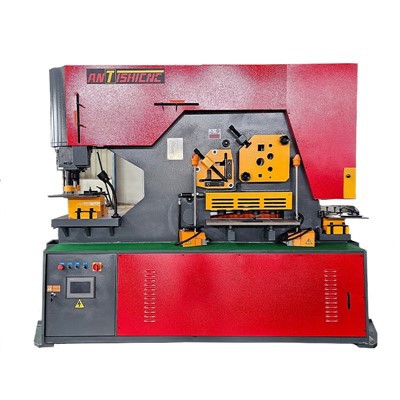
When it comes to using a Flatbed CNC, safety should always be your top priority. As a Flatbed CNC supplier, I've seen firsthand the importance of taking the right precautions to ensure a safe and efficient working environment. In this blog post, I'll share some essential safety tips that every operator should follow when using a Flatbed CNC.
Pre - Operation Checks
Before you even power on the Flatbed CNC, it's crucial to conduct a thorough pre - operation check. Start by inspecting the machine's physical condition. Look for any signs of damage, such as cracks in the bed, loose bolts, or frayed cables. A damaged machine can not only affect the quality of your work but also pose a serious safety risk.
Check the lubrication levels of all moving parts. Adequate lubrication reduces friction, which in turn prevents overheating and premature wear of components. Make sure the coolant system is filled and functioning properly. The coolant helps to keep the cutting tools cool and remove chips from the work area.
Verify that all safety guards are in place and in good condition. Safety guards are designed to protect operators from moving parts, flying chips, and coolant splashes. If a guard is missing or damaged, do not operate the machine until it has been repaired or replaced. You can learn more about different types of CNC machines, like the Horizontal Slant Bed Lathe and Flat Bed Lathe Machine, which also have their own unique safety requirements.
Personal Protective Equipment (PPE)
Wearing the right PPE is non - negotiable when operating a Flatbed CNC. First and foremost, always wear safety glasses or goggles. These will protect your eyes from flying chips, coolant, and other debris. A face shield can provide additional protection, especially when dealing with high - speed operations or large amounts of chips.
Ear protection is also essential. CNC machines can be quite noisy, and prolonged exposure to high noise levels can cause hearing damage. Use earplugs or earmuffs to reduce the noise to a safe level.
Wear appropriate clothing. Avoid loose - fitting clothes, ties, or jewelry that could get caught in the moving parts of the machine. Instead, opt for fitted work clothes and a pair of sturdy work boots. Gloves can be worn, but make sure they are the right type for the job. Some operations may require specialized gloves to protect against cuts or heat.
Machine Setup and Programming
Proper machine setup and programming are key to safe operation. When setting up the workpiece, make sure it is securely clamped to the machine table. An unsecured workpiece can shift during operation, causing the cutting tool to break or the workpiece to fly out of the machine.
Double - check your programming before starting the operation. A simple programming error can lead to a dangerous situation, such as the cutting tool moving too fast or in the wrong direction. Use simulation software if available to visualize the machining process and identify any potential issues.
If you're new to programming a Flatbed CNC, consider taking a training course. Understanding the programming language and the machine's capabilities will not only improve your safety but also enhance the quality of your work. You might also be interested in Horizontal CNC Turning, which has its own programming nuances.
During Operation
During the operation of the Flatbed CNC, stay focused and alert. Do not leave the machine unattended while it is running. If you need to step away for any reason, stop the machine and power it down.
Keep your hands and other body parts away from the moving parts of the machine. Use the appropriate tools, such as chip brushes or vacuum cleaners, to remove chips from the work area. Do not use your hands to clear chips, as this can lead to serious cuts or injuries.
Monitor the machine's performance closely. Listen for any unusual noises or vibrations, which could indicate a problem with the machine or the cutting process. If you notice anything out of the ordinary, stop the machine immediately and investigate the issue.
Post - Operation Procedures
Once the machining operation is complete, follow the proper post - operation procedures. First, turn off the machine and unplug it from the power source. This will prevent any accidental startups.


Remove the workpiece carefully, making sure to use the appropriate lifting equipment if it is heavy. Clean the machine thoroughly to remove chips, coolant, and other debris. This not only helps to maintain the machine's performance but also reduces the risk of corrosion and other damage.
Inspect the cutting tools for wear or damage. Replace any worn or damaged tools before the next operation. Store the tools in a safe and organized manner to prevent them from getting damaged.
Training and Education
Proper training is essential for anyone operating a Flatbed CNC. As a supplier, I highly recommend that all operators receive comprehensive training on the machine's operation, safety procedures, and programming. Training should be provided by a qualified instructor and should include both theoretical and practical components.
Regularly review and update safety procedures with your operators. Safety regulations and best practices can change over time, so it's important to stay up - to - date. Encourage your operators to ask questions and report any safety concerns they may have.
Emergency Preparedness
Even with all the safety precautions in place, emergencies can still happen. Make sure you have an emergency plan in place for your workshop. This should include procedures for dealing with fires, electrical shocks, and other potential hazards.
Keep fire extinguishers, first - aid kits, and other emergency equipment readily available and in good working condition. Train your operators on how to use this equipment properly.
In conclusion, using a Flatbed CNC can be a safe and rewarding experience if you follow the right safety precautions. By conducting pre - operation checks, wearing the right PPE, setting up and programming the machine correctly, staying alert during operation, following post - operation procedures, providing proper training, and being prepared for emergencies, you can minimize the risk of accidents and injuries.
If you're in the market for a Flatbed CNC or have any questions about safety or operation, I'd love to hear from you. Feel free to reach out to me for more information and to discuss your specific needs. We can work together to find the best solution for your business.
References
- General industry safety guidelines for CNC machines
- Manufacturer's operating manual for Flatbed CNC machines
- Occupational Safety and Health Administration (OSHA) standards for machine operation