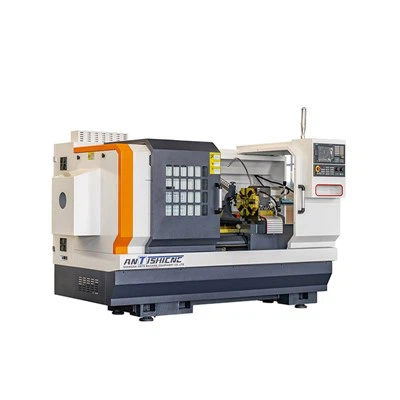
As a supplier of 65 Ton Ironworkers, one question that frequently arises from our customers is whether a 65 Ton Ironworker can be used for octagonal bar cutting. In this blog post, we'll delve into the capabilities of a 65 Ton Ironworker and explore its suitability for cutting octagonal bars.
Understanding the 65 Ton Ironworker
A 65 Ton Ironworker is a powerful and versatile piece of machinery widely used in metalworking industries. It combines multiple functions, such as punching, shearing, notching, and bending, into a single unit. The "65 Ton" refers to the maximum force the machine can exert, which indicates its ability to handle various metal - working tasks.
The main components of a 65 Ton Ironworker typically include a hydraulic system, a workbench, and different tooling stations. The hydraulic system provides the necessary power to drive the cutting, punching, and other operations. The workbench offers a stable platform for placing the metal materials, and the tooling stations are designed to accommodate different types of tools for specific tasks.
Characteristics of Octagonal Bars
Octagonal bars are a type of metal bar with an eight - sided cross - section. They are commonly used in construction, manufacturing, and decorative applications. The unique shape of octagonal bars requires special consideration when it comes to cutting. Compared to round or square bars, the cutting process for octagonal bars needs to account for the multiple angles and flat surfaces.
The material of octagonal bars can vary widely, including steel, aluminum, and other alloys. Each material has different hardness, ductility, and toughness properties, which will affect the cutting process. For example, steel octagonal bars are generally harder and more difficult to cut than aluminum ones.
Can a 65 Ton Ironworker Cut Octagonal Bars?
The answer is yes, a 65 Ton Ironworker can be used for octagonal bar cutting, but several factors need to be considered.
1. Material and Size of the Octagonal Bar
The material and size of the octagonal bar play a crucial role in determining whether the 65 Ton Ironworker can cut it effectively. The machine's cutting capacity is usually specified in terms of the maximum thickness and width of the metal it can handle. For example, if the octagonal bar is made of mild steel and has a relatively small cross - sectional size, the 65 Ton Ironworker should be able to cut it without much difficulty. However, if the bar is made of high - strength steel or has a large cross - section, the machine may struggle to make a clean cut.
2. Cutting Tool
Using the right cutting tool is essential for cutting octagonal bars with a 65 Ton Ironworker. A sharp and properly designed cutting blade can ensure a clean and precise cut. For octagonal bars, a blade with a suitable shape and edge geometry is required to handle the multiple angles. Some cutting blades are specifically designed for irregular - shaped bars and can provide better cutting performance.
3. Machine Setup
Proper machine setup is also important for successful octagonal bar cutting. The bar needs to be securely clamped on the workbench to prevent movement during the cutting process. The cutting blade should be aligned correctly with the bar to ensure an even cut. Additionally, the hydraulic pressure of the machine may need to be adjusted according to the material and size of the bar.
Advantages of Using a 65 Ton Ironworker for Octagonal Bar Cutting
1. Versatility
One of the main advantages of using a 65 Ton Ironworker for octagonal bar cutting is its versatility. Since the machine combines multiple functions, it can be used for other metal - working tasks after cutting the octagonal bars. For example, it can be used to punch holes or bend the bars, which can save time and space in the workshop.
2. Efficiency
A 65 Ton Ironworker can cut octagonal bars relatively quickly compared to some other cutting methods. The hydraulic system provides a high - force cutting action, which can reduce the cutting time. This is especially beneficial for large - scale production where efficiency is crucial.
3. Precision
With proper setup and the right cutting tool, a 65 Ton Ironworker can achieve a high level of cutting precision. This is important for applications where the octagonal bars need to fit precisely into a specific structure or assembly.
Comparison with Other Ironworkers
In addition to the 65 Ton Ironworker, there are also Mini Ironworker, 40 Ton Ironworker, and 55 Ton Ironworker available in the market.
Mini Ironworker
A Mini Ironworker is a compact and lightweight machine, suitable for small - scale metalworking tasks. However, its cutting capacity is limited, and it may not be able to cut large or thick octagonal bars. It is more suitable for cutting small - sized octagonal bars made of softer materials.
40 Ton Ironworker
The 40 Ton Ironworker has a higher cutting capacity than the Mini Ironworker but is still less powerful than the 65 Ton Ironworker. It can handle medium - sized octagonal bars made of common materials. However, for larger or harder octagonal bars, the 40 Ton Ironworker may not be sufficient.
55 Ton Ironworker
The 55 Ton Ironworker is a step up from the 40 Ton model. It has a greater cutting force and can handle larger and thicker octagonal bars than the 40 Ton Ironworker. However, the 65 Ton Ironworker still offers more power and a wider range of cutting capabilities, especially for high - strength materials.
Tips for Cutting Octagonal Bars with a 65 Ton Ironworker
1. Select the Right Blade
As mentioned earlier, choosing the right cutting blade is crucial. Make sure the blade is sharp and has a shape that can accommodate the octagonal cross - section. You may need to consult the blade manufacturer or your ironworker supplier for the best blade option.
2. Secure the Bar Properly
Use clamps or fixtures to secure the octagonal bar firmly on the workbench. This will prevent the bar from moving during the cutting process, which can lead to an uneven or inaccurate cut.
3. Adjust the Hydraulic Pressure
Depending on the material and size of the octagonal bar, you may need to adjust the hydraulic pressure of the 65 Ton Ironworker. Higher pressure may be required for harder or thicker bars, while lower pressure can be used for softer or thinner ones.


4. Perform Regular Maintenance
Regular maintenance of the 65 Ton Ironworker is essential to ensure its optimal performance. This includes checking the hydraulic system, lubricating the moving parts, and inspecting the cutting blade for wear and tear.
Conclusion
In conclusion, a 65 Ton Ironworker can be effectively used for octagonal bar cutting, provided that the material and size of the bar are within the machine's cutting capacity, the right cutting tool is used, and the machine is properly set up. Its versatility, efficiency, and precision make it a valuable tool for metalworking industries.
If you are interested in purchasing a 65 Ton Ironworker or have any questions about octagonal bar cutting, please feel free to contact us. Our team of experts is ready to provide you with detailed information and guidance to meet your specific needs.
References
- Metalworking Machinery Handbook
- Hydraulic Ironworker Technical Manuals