


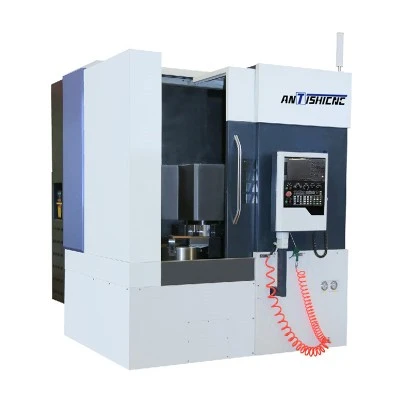
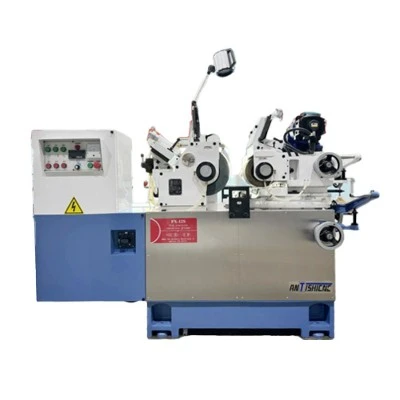
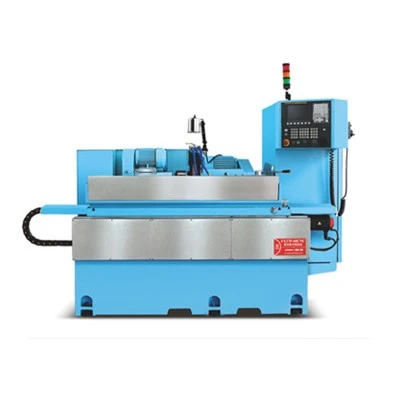
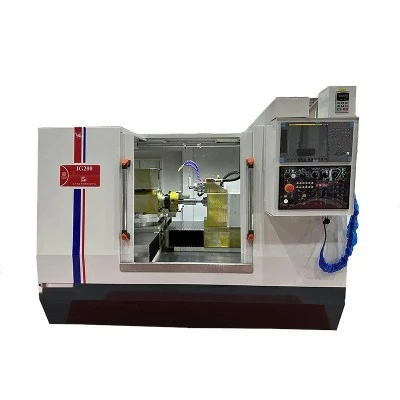
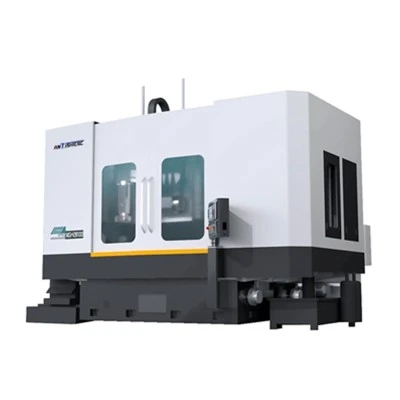
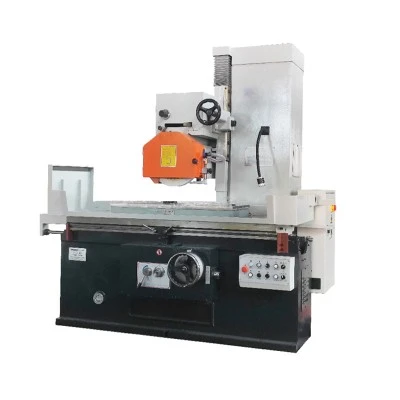
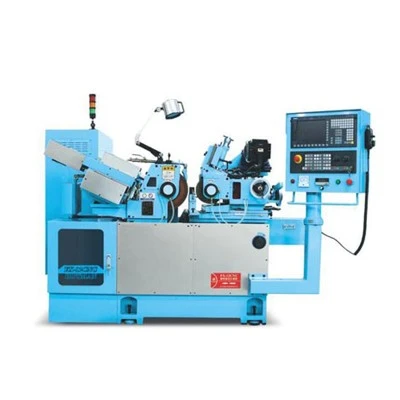
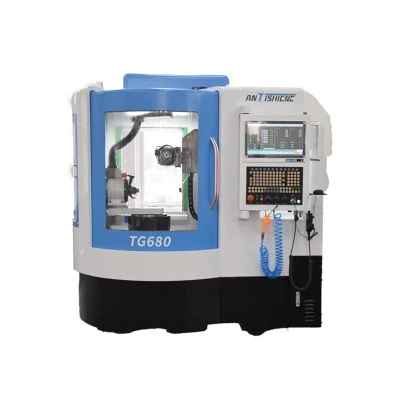

Certainly, a CNC horizontal lathe can perform threading operations. In fact, threading is one of the fundamental and essential machining processes that these machines are well - equipped to handle. As a CNC horizontal lathe supplier, we are well - versed in the capabilities and applications of these advanced machines when it comes to threading.
Threading is a complex machining operation that involves creating helical grooves on the surface of a workpiece. These threads can be used for various purposes, such as creating fasteners (bolts, screws), enabling parts to be joined together, or for some specific mechanical transmission requirements. CNC horizontal lathes offer a high level of precision and repeatability in threading operations, which are crucial factors in modern manufacturing.
Mechanism of Threading on a CNC Horizontal Lathe
When it comes to threading on a CNC horizontal lathe, the machine utilizes precise control systems to manage the movement of the cutting tool relative to the rotating workpiece. The spindle of the lathe rotates the workpiece at a specific speed, while the cutting tool is fed along the axis of the workpiece at a rate that corresponds to the pitch of the desired thread.
The CNC system plays a vital role in this process. Programmers can input detailed commands that dictate the depth of cut, the pitch of the thread, and the number of passes required to achieve the desired thread profile. For example, to create a metric thread, the programmer will specify the thread's pitch in millimeters, and the CNC system will ensure that the cutting tool advances precisely at the correct rate as the workpiece rotates.
Different Types of Threading Operations
There are several types of threading operations that can be performed on a CNC horizontal lathe. One of the most common is external threading, where the thread is cut on the outer surface of the workpiece. This is often used for creating bolts, studs, and other externally threaded components.
Internal threading, on the other hand, involves cutting threads inside a hole in the workpiece. This is useful for creating nuts, threaded holes in machine parts, and other components where an internal thread is required.
Another type is multi - start threading. In multi - start threading, multiple threads are cut simultaneously, which can increase the lead of the thread without increasing the pitch. This is often used in applications where a high linear movement per revolution is required, such as in some types of power transmission systems.
Advantages of Using a CNC Horizontal Lathe for Threading
One of the main advantages of using a CNC horizontal lathe for threading is the high level of precision. The CNC control system ensures that the thread pitch, diameter, and profile are consistent across multiple workpieces. This is especially important in industries such as automotive, aerospace, and medical device manufacturing, where precision components are required.
Repeatability is another significant benefit. Once a threading program is created and optimized, the CNC horizontal lathe can produce identical threads on a large number of workpieces with minimal variation. This reduces the need for manual inspection and adjustment between each part, increasing overall productivity.
In addition, CNC horizontal lathes offer greater flexibility in threading operations. They can easily switch between different thread types, pitches, and diameters by simply changing the CNC program. This makes them suitable for both high - volume production runs and small - batch custom jobs.
Our Product Offerings
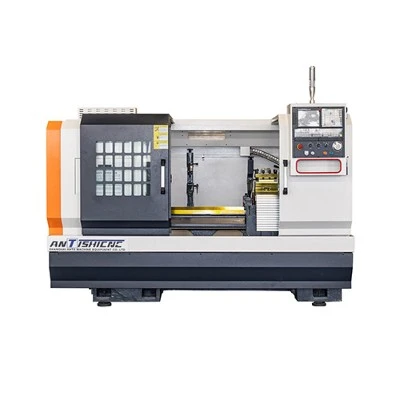
As a supplier of CNC horizontal lathes, we offer a wide range of machines that are capable of performing threading operations with high efficiency and precision. Our Flat Bed CNC Lathe Machine is a popular choice for many manufacturers. It features a robust structure and advanced control system, making it suitable for a variety of threading applications. The flat - bed design provides excellent stability during the machining process, ensuring accurate thread cutting.
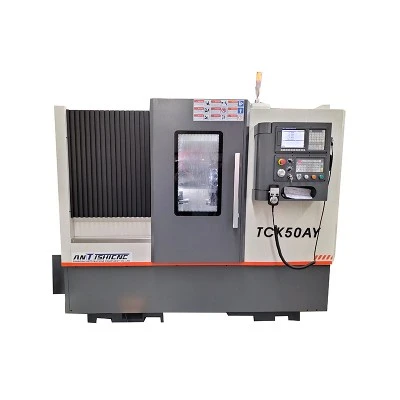
Our CNC Turn Mill Center Machine combines the functions of a lathe and a milling machine. In addition to traditional threading operations, it can perform more complex machining tasks, such as milling threads on the side of a workpiece or creating non - standard thread profiles. This multi - function capability makes it a versatile solution for modern manufacturing requirements.
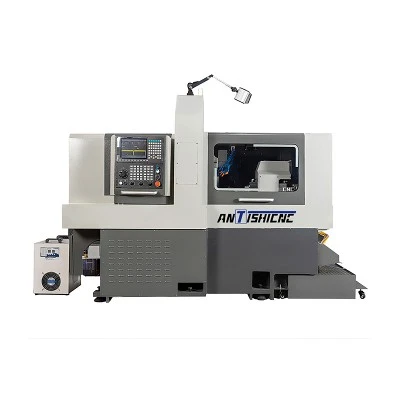
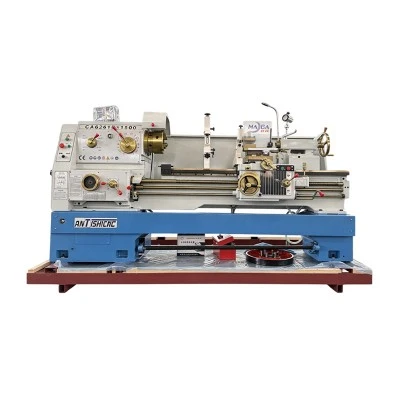
The Horizontal Turning Lathe is another product in our catalog. It is designed for high - speed and high - precision turning and threading operations. With its advanced servo systems and high - performance spindles, it can achieve fast and accurate thread cutting, even on difficult - to - machine materials.
Considerations for Threading on CNC Horizontal Lathes
When performing threading operations on a CNC horizontal lathe, there are several factors to consider. First, the choice of cutting tools is crucial. Different materials and thread types require different cutting tool geometries and coatings. For example, when cutting threads on hard materials such as stainless steel or titanium, carbide cutting tools with appropriate coatings are often recommended to ensure long tool life and high - quality thread finish.
The speed and feed rates also play an important role in threading. Incorrect speed and feed settings can lead to poor thread quality, tool wear, and even damage to the workpiece. The spindle speed should be selected based on the material of the workpiece and the thread pitch, while the feed rate should be set according to the threading requirements.
Coolant is another consideration. Using an appropriate coolant can help to reduce heat generation during the cutting process, improve tool life, and enhance the surface finish of the threads. Different coolants have different properties, and the choice should be based on the material being machined and the specific requirements of the threading operation.
Conclusion
In summary, a CNC horizontal lathe is fully capable of performing threading operations, and it offers many advantages in terms of precision, repeatability, and flexibility. As a supplier of these machines, we are committed to providing high - quality products that meet the diverse needs of our customers in the threading and machining industries.


If you are interested in our CNC horizontal lathes for threading operations or other machining requirements, we encourage you to contact us for further discussion and a potential purchase. We can provide detailed product information, technical support, and assistance in choosing the right machine for your specific application.
References
- "CNC Machining Handbook", published by an industry - standard media.
- "Advanced Threading Techniques in Lathe Machining", a technical paper from a leading manufacturing research institute.


