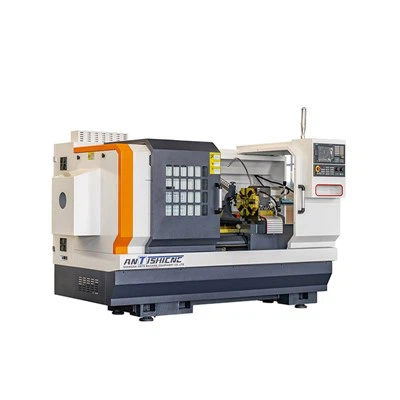
As a supplier of traditional lathes, I understand the frustration that comes with encountering poor workpiece accuracy on a traditional lathe. Achieving high - precision workpieces is crucial in various industries, and when the accuracy is off, it can lead to wasted materials, increased production time, and dissatisfied customers. In this blog, I will share some effective troubleshooting steps to help you address the issue of poor workpiece accuracy on a traditional lathe.
1. Check the Machine Installation and Leveling
The first step in troubleshooting poor workpiece accuracy is to ensure that the lathe is properly installed and leveled. An unevenly installed lathe can cause vibrations and misalignments, which directly affect the accuracy of the workpiece.
- Leveling the Lathe: Use a high - quality spirit level to check the horizontal and vertical levels of the lathe bed. Adjust the leveling feet of the lathe until the bubble in the spirit level is centered in both directions. This ensures that the lathe is stable and that the cutting tools will move in a straight and accurate path.
- Foundation Inspection: Examine the foundation on which the lathe is placed. A weak or unstable foundation can transmit vibrations from the surrounding environment to the lathe, causing inaccuracies. If necessary, reinforce the foundation or move the lathe to a more stable location.
If you are interested in learning more about the proper installation of a traditional lathe, you can visit our Traditional Lathe Machine page for detailed guides.
2. Examine the Spindle and Chuck
The spindle and chuck are key components of a traditional lathe, and any issues with them can lead to poor workpiece accuracy.
- Spindle Runout: Check the spindle for runout, which is the deviation of the spindle's rotation from its true center. Excessive runout can cause the workpiece to be machined out - of - round. Use a dial indicator to measure the runout at the spindle nose. If the runout exceeds the manufacturer's specifications, the spindle may need to be repaired or replaced.
- Chuck Tightness and Alignment: Ensure that the chuck is properly tightened and aligned. A loose chuck can allow the workpiece to move during machining, resulting in inaccuracies. Check the chuck jaws for wear and damage, and replace them if necessary. Also, make sure that the chuck is centered on the spindle to avoid eccentric turning.
3. Inspect the Cutting Tools
The quality and condition of the cutting tools have a significant impact on workpiece accuracy.
- Tool Wear: Worn cutting tools can produce rough surfaces and inaccurate dimensions on the workpiece. Regularly inspect the cutting tools for signs of wear, such as dull edges or chipping. Replace the worn tools with new ones to maintain high - quality machining.
- Tool Geometry: The geometry of the cutting tool, including the rake angle, clearance angle, and cutting edge radius, affects the cutting process and the accuracy of the workpiece. Make sure that the cutting tools are ground to the correct geometry for the specific machining operation. Incorrect tool geometry can cause excessive cutting forces, vibrations, and poor surface finish.
- Tool Installation: Proper tool installation is crucial for accurate machining. Ensure that the cutting tool is securely mounted in the tool post and that it is at the correct height relative to the workpiece centerline. An incorrectly installed tool can lead to uneven cutting and inaccurate dimensions.
4. Analyze the Feed and Speed Settings
Incorrect feed and speed settings can also result in poor workpiece accuracy.
- Cutting Speed: The cutting speed, which is the speed at which the cutting tool moves relative to the workpiece, affects the cutting force, surface finish, and tool life. If the cutting speed is too high, it can cause excessive tool wear and vibrations, leading to poor accuracy. On the other hand, if the cutting speed is too low, it can result in a rough surface finish and long machining times. Refer to the cutting tool manufacturer's recommendations or machining handbooks to select the appropriate cutting speed for the material being machined.
- Feed Rate: The feed rate, which is the rate at which the cutting tool advances along the workpiece, affects the surface finish and the dimensional accuracy of the workpiece. A too - high feed rate can cause the cutting tool to dig into the workpiece, resulting in rough surfaces and inaccurate dimensions. A too - low feed rate can lead to excessive tool wear and long machining times. Adjust the feed rate based on the material, cutting tool, and machining operation.
5. Evaluate the Coolant System
The coolant system plays an important role in maintaining workpiece accuracy.
- Coolant Type and Concentration: The type and concentration of the coolant can affect the cutting process and the surface finish of the workpiece. Different materials and machining operations require different types of coolants. Make sure that the coolant is of the correct type and concentration for the specific application. Incorrect coolant can cause excessive heat generation, tool wear, and poor surface finish.
- Coolant Flow: Ensure that the coolant is flowing properly to the cutting area. A blocked or restricted coolant flow can lead to overheating of the cutting tool and the workpiece, resulting in poor accuracy. Check the coolant hoses, nozzles, and pumps for blockages and leaks, and clean or repair them as needed.
6. Consider the Workpiece Material and Fixturing
The workpiece material and the way it is fixtured can also impact accuracy.
- Workpiece Material Properties: Different materials have different properties, such as hardness, ductility, and thermal conductivity, which affect the machining process. Some materials may be more prone to deformation or vibration during machining. Take into account the properties of the workpiece material when selecting the cutting tools, feed, and speed settings.
- Fixturing: Proper fixturing is essential for holding the workpiece securely in place during machining. A poorly fixtured workpiece can move or vibrate, causing inaccuracies. Use appropriate fixtures, such as v - blocks, clamps, or chucks, to hold the workpiece firmly. Make sure that the fixtures do not interfere with the cutting tool's movement.
7. Check for Mechanical Wear and Damage
Over time, the mechanical components of a traditional lathe can wear out or become damaged, leading to poor workpiece accuracy.
- Lead Screw and Feed Rod: The lead screw and feed rod are responsible for controlling the movement of the carriage and the cross - slide. Check them for wear, backlash, and damage. Excessive backlash in the lead screw or feed rod can cause inaccuracies in the feed and the positioning of the cutting tool.
- Guideways: The guideways on the lathe bed provide a smooth and accurate path for the carriage and the cross - slide. Inspect the guideways for wear, scratches, and dirt. Clean the guideways regularly and lubricate them to ensure smooth movement.
If you are in need of a large - scale lathe with high - precision capabilities, our Large Lathe Machine might be the right choice for you. And for additional support in setting up and maintaining your lathe, our Universal Lathe Stand offers a stable base for your operations.
In conclusion, troubleshooting poor workpiece accuracy on a traditional lathe requires a systematic approach. By checking the machine installation, spindle and chuck, cutting tools, feed and speed settings, coolant system, workpiece material and fixturing, and mechanical components, you can identify and resolve the issues causing the inaccuracies.
If you are experiencing persistent problems with workpiece accuracy or if you are interested in purchasing a new traditional lathe, our team of experts is here to assist you. We offer a wide range of traditional lathes and related accessories, and we can provide you with professional advice and support. Contact us to start a discussion about your specific needs and how we can help you achieve high - precision machining.


References
- ASM Handbook Volume 16: Machining, ASM International
- Machinery's Handbook, Industrial Press Inc.
- Cutting Tool Engineering, SME (Society of Manufacturing Engineers)