



Can a flat bed lathe be used for knurling operations? That's a question I get asked a lot, being a supplier of Flat Bed Lathe. And the short answer is yes, a flat bed lathe can definitely be used for knurling operations. But there's more to it than that, so let's dive in and explore this topic in more detail.
First off, let's talk about what knurling is. Knurling is a manufacturing process where a pattern of small ridges or diamonds is rolled onto the surface of a workpiece. This pattern serves a few different purposes. It can improve the grip on a part, making it easier to hold or turn. It can also add a decorative touch to the workpiece, giving it a more professional and finished look. And in some cases, it can be used to create a specific surface texture for functional reasons.
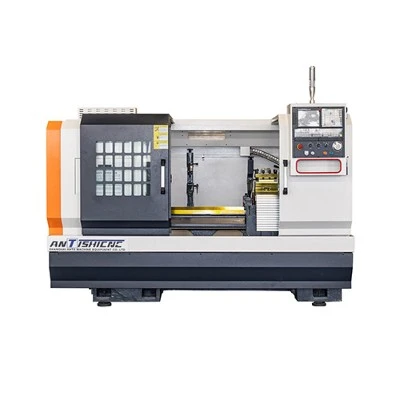
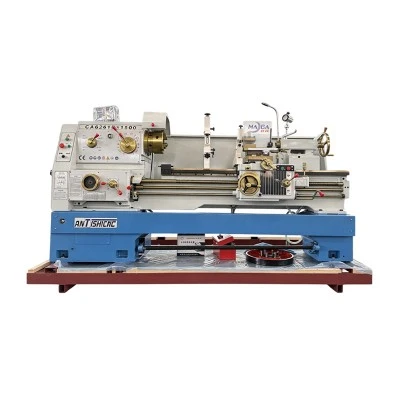
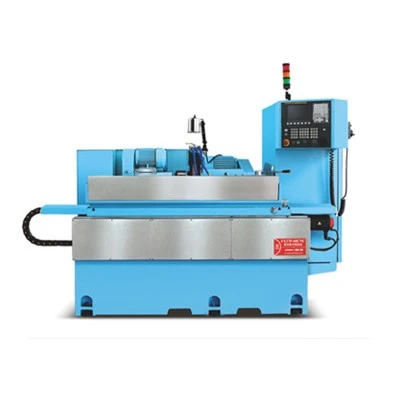
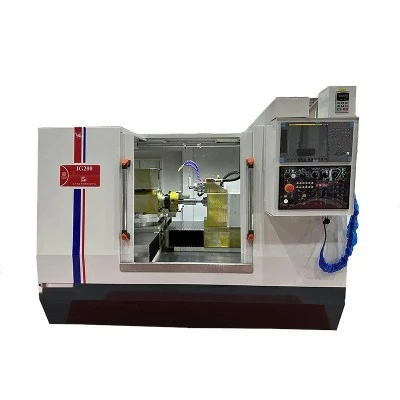
Now, let's look at flat bed lathes. A flat bed lathe is a type of lathe where the bed, which is the base of the machine, is flat. This design offers several advantages. It's generally more stable and rigid compared to other types of lathes, which is great for heavy-duty machining operations. It also provides easy access to the workpiece and the cutting tools, making it easier to set up and operate. Flat bed lathes come in both manual and CNC (Computer Numerical Control) versions. The Flat Bed CNC Lathe Machine offers the added benefit of precise control and automation, allowing for more complex and accurate machining.
So, how does a flat bed lathe work for knurling? Well, the basic principle is the same as with any other lathe. The workpiece is mounted on the spindle of the lathe and rotated at a specific speed. The knurling tool, which is a special tool with the desired pattern on its surface, is then brought into contact with the rotating workpiece. The pressure from the knurling tool creates the pattern on the surface of the workpiece.
One of the key factors in successful knurling on a flat bed lathe is the speed and feed rate. The speed of the spindle determines how fast the workpiece rotates, while the feed rate determines how quickly the knurling tool moves along the workpiece. These settings need to be carefully adjusted based on the material of the workpiece, the size of the knurling pattern, and the type of knurling tool being used. For example, if the speed is too high, the knurling pattern may not be well-defined or may even cause damage to the workpiece. On the other hand, if the speed is too low, the knurling process may take too long and may not produce a consistent pattern.
Another important consideration is the pressure applied by the knurling tool. The pressure needs to be sufficient to create a clear and distinct pattern on the workpiece, but not so high that it causes excessive wear on the tool or deforms the workpiece. This can be adjusted using the tool post or other mechanisms on the lathe.
The type of knurling tool also plays a role in the process. There are different types of knurling tools available, including straight knurl tools, diamond knurl tools, and spiral knurl tools. Each type of tool creates a different pattern on the workpiece, so you can choose the one that best suits your needs.
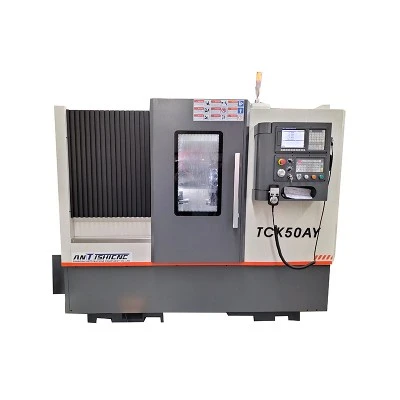
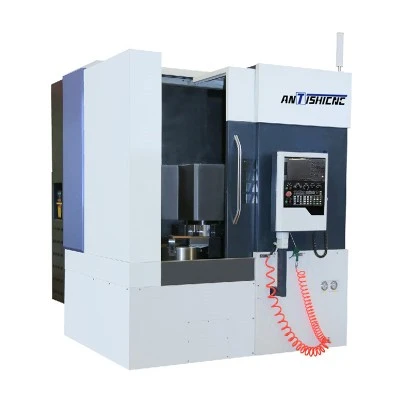
Now, let's compare flat bed lathes with slant bed lathes for knurling operations. Slant bed lathes, such as the Slant Bed CNC Lathe Machine, have a bed that is angled at a certain degree. This design offers some advantages in terms of chip removal and coolant flow, which can be beneficial for certain types of machining operations. However, when it comes to knurling, flat bed lathes have a few advantages. The flat surface of the bed provides more stability during the knurling process, which can result in a more consistent and accurate pattern. Also, the horizontal orientation of the bed makes it easier to access the workpiece and the knurling tool, which can simplify the setup and operation.


Of course, there are some limitations to using a flat bed lathe for knurling. For example, if you need to knurl very large or very small workpieces, you may need to use specialized equipment. Also, knurling can be a time-consuming process, especially if you're working with a large number of parts. But overall, a flat bed lathe is a versatile and reliable option for knurling operations.
In conclusion, if you're in the market for a machine that can handle knurling operations, a flat bed lathe is definitely worth considering. Whether you choose a manual or a CNC version, a flat bed lathe can provide the stability, precision, and flexibility you need to create high-quality knurled parts.
If you're interested in learning more about our Flat Bed Lathe or have any questions about knurling operations, feel free to reach out. We're here to help you find the right solution for your machining needs. Let's start a conversation and see how we can work together to take your manufacturing processes to the next level.
References
- "Machining Handbook" - A comprehensive guide to machining processes and techniques.
- Industry publications on lathe operations and knurling.


