


Hey there! I'm a supplier of Horizontal CNC Lathes, and I often get asked about the requirements for the installation site of these machines. In this blog, I'll share some key points based on my experience in the industry.
Space Requirements
First off, let's talk about space. You need to have enough room for the lathe itself and some extra space around it. A horizontal CNC lathe isn't a small piece of equipment, and it needs proper clearance for easy operation and maintenance.
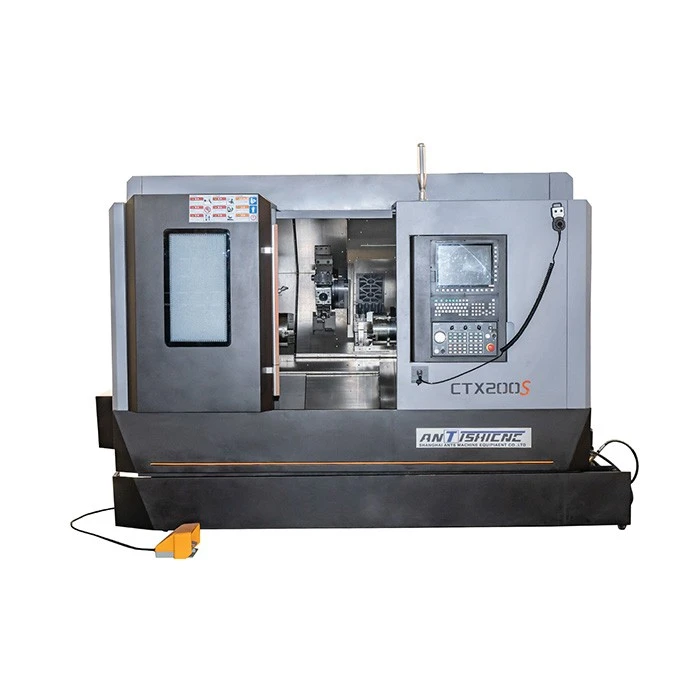
The actual space needed depends on the model of the lathe. For example, our CNC Horizontal Lathe comes in different sizes, and each has its own specific space requirements. Generally, you should leave at least 1 - 2 meters of clearance around the machine. This allows operators to move freely, access all parts of the lathe, and perform tasks like loading and unloading workpieces without any hassle.
If you're planning to install multiple lathes in one area, you need to consider the spacing between them. You don't want the machines to be too close, as it can lead to interference during operation and make it difficult to maintain a safe working environment. A good rule of thumb is to keep a distance of at least 2 - 3 meters between adjacent lathes.
Floor Requirements
The floor where you install the horizontal CNC lathe is crucial. It needs to be strong enough to support the weight of the machine. These lathes can be quite heavy, especially the larger models. A weak or uneven floor can cause the lathe to vibrate excessively during operation, which can affect the accuracy of the machining and even damage the machine over time.
The floor should be level within a certain tolerance. Most manufacturers recommend a levelness of ± 0.5 mm per meter. You can use a spirit level or a laser level to check the floor's flatness. If the floor isn't level, you may need to use shims or other leveling devices to adjust the lathe's position.
In addition to being strong and level, the floor should also be clean and free of debris. Any dirt or small particles on the floor can get into the lathe's moving parts and cause premature wear and tear. So, make sure to clean the installation area thoroughly before setting up the machine.
Power Supply Requirements
A stable power supply is essential for the proper functioning of a horizontal CNC lathe. You need to ensure that the power source can provide the correct voltage and frequency required by the machine. Most horizontal CNC lathes operate on a three - phase power supply, usually 380V or 415V at 50Hz or 60Hz, depending on the region.
It's important to have a dedicated power line for the lathe. Sharing a power line with other high - power equipment can cause voltage fluctuations, which can damage the lathe's electrical components. You should also install a suitable circuit breaker or fuse to protect the machine from overcurrent and short - circuits.
Before connecting the lathe to the power supply, make sure to check the electrical wiring for any damage or loose connections. Any electrical problems can not only affect the performance of the lathe but also pose a safety hazard.
Environmental Requirements
The environment where the horizontal CNC lathe is installed can have a significant impact on its performance and lifespan. The temperature and humidity in the installation area need to be within a certain range.
Most horizontal CNC lathes operate best at a temperature between 20°C and 30°C. Extreme temperatures can cause the machine's components to expand or contract, which can affect the accuracy of the machining. High humidity can also lead to corrosion of the machine's metal parts. So, it's a good idea to install a temperature and humidity control system in the workshop if necessary.
The installation area should also be free from excessive dust, fumes, and vibrations. Dust can clog the lathe's filters and sensors, while fumes can be harmful to the operators and may also damage the machine's electrical components. Vibrations from nearby equipment can interfere with the lathe's operation and reduce the quality of the machined parts. If there are other machines in the vicinity that generate a lot of vibrations, you may need to install vibration - isolation pads under the lathe.
Ventilation Requirements
Proper ventilation is necessary to remove heat, fumes, and dust generated during the operation of the horizontal CNC lathe. When the lathe is working, it generates heat, especially in the spindle and the motor. If this heat isn't dissipated properly, it can cause the machine to overheat and reduce its performance.
Fumes are also produced during the machining process, especially when using cutting fluids. These fumes can be harmful to the operators' health, so it's important to have a ventilation system that can extract the fumes from the workshop.
You can install exhaust fans or a central ventilation system in the installation area. The ventilation system should be designed to provide a sufficient air exchange rate. A good rule of thumb is to have at least 6 - 8 air changes per hour in the workshop.
Safety Requirements
Safety is always a top priority when installing a horizontal CNC lathe. You need to ensure that the installation site has proper safety features.
There should be clear safety signs around the lathe to indicate the potential hazards and the safety procedures. For example, signs should be posted to warn operators about the moving parts, high - voltage areas, and the use of personal protective equipment (PPE).
The installation area should also have emergency stop buttons within easy reach of the operators. In case of an emergency, the operators can quickly stop the lathe to prevent accidents.

It's also important to provide proper lighting in the installation area. Good lighting helps operators to see clearly what they're doing, which reduces the risk of errors and accidents.
Conclusion
In conclusion, installing a horizontal CNC lathe requires careful consideration of several factors, including space, floor, power supply, environment, ventilation, and safety. By meeting these requirements, you can ensure that the lathe operates smoothly, produces high - quality parts, and has a long lifespan.
If you're interested in purchasing a horizontal CNC lathe or have any questions about the installation requirements, feel free to reach out. We're here to help you make the right choice and ensure a successful installation. Whether you're looking for a CNC Turn Mill Center Machine or a Horizontal Slant Bed Lathe, we've got you covered. Let's start a conversation and see how we can meet your machining needs!
References
- General guidelines from the horizontal CNC lathe manufacturing industry.
- Personal experience and knowledge gained from years of supplying horizontal CNC lathes.


