


Hey there! As a supplier of Fanuc CNC Lathes, I often get asked if these machines can be used for hard turning. Well, let's dive right into it and find out.
First off, what is hard turning? Hard turning is the process of machining hardened materials, typically with a hardness of 45 HRC or higher, using single - point cutting tools. It's an alternative to grinding in many applications and offers some unique advantages, like higher material removal rates and the ability to perform complex geometries in a single setup.
Now, let's talk about Fanuc CNC Lathes. Fanuc is a well - known name in the CNC world, and their lathes are known for their precision, reliability, and advanced control systems. But can they handle hard turning? The short answer is yes, they can.
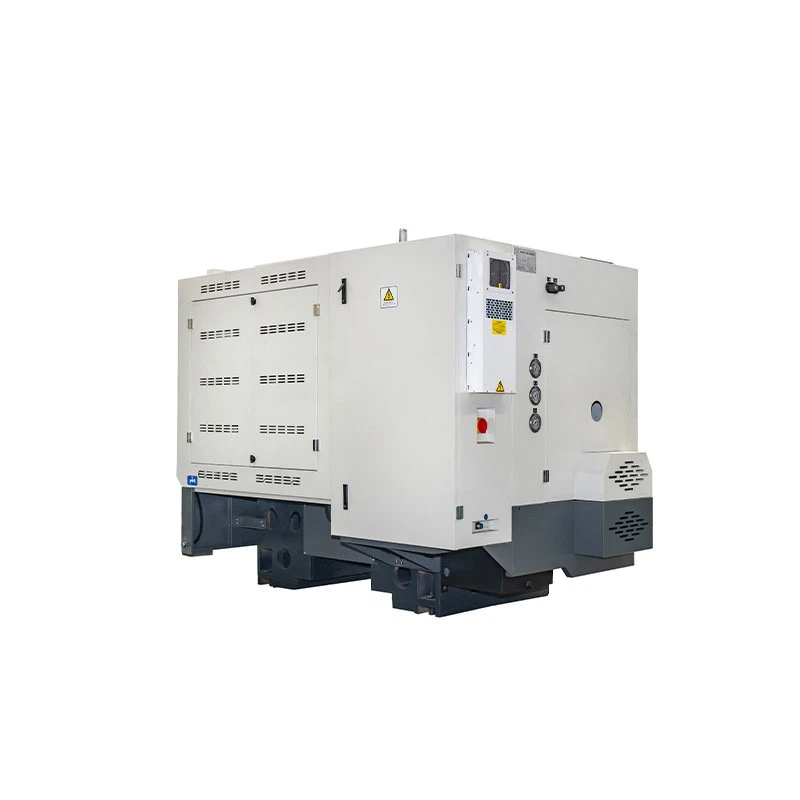
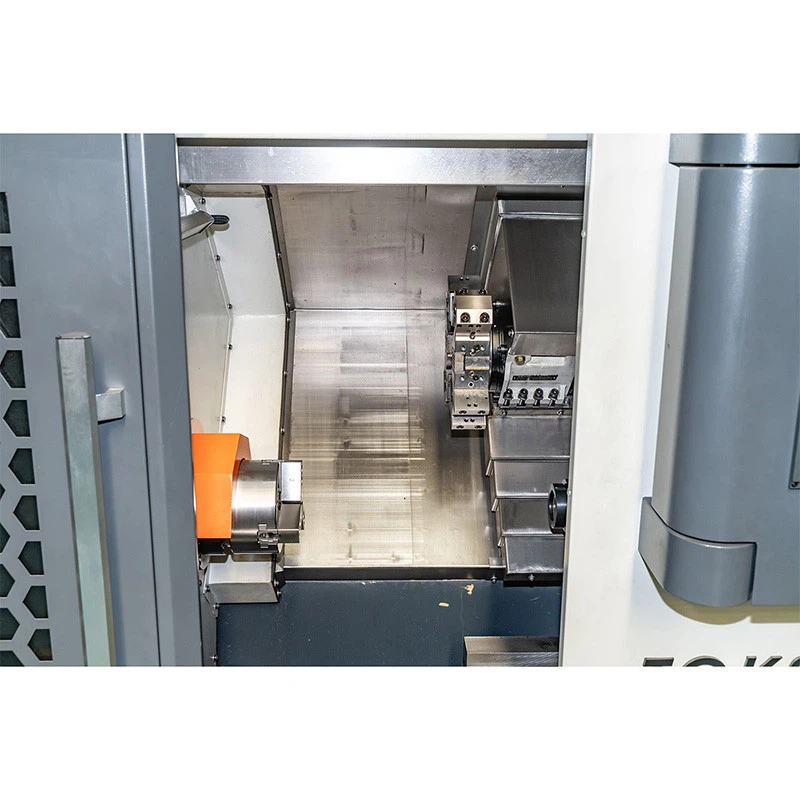
One of the key factors in hard turning is the machine's rigidity. Fanuc CNC Lathes are designed with high - quality components and a robust structure. This rigidity is crucial because when you're cutting hard materials, there's a lot of force involved. A rigid machine can better withstand these forces, reducing vibration and ensuring a more accurate cut. For example, the Slant Bed CNC models from Fanuc are built with a slant bed design. This design not only provides better chip evacuation but also enhances the machine's overall rigidity. The slant bed allows the chips to fall away from the cutting area more easily, preventing them from interfering with the cutting process. And the enhanced rigidity helps in maintaining the cutting tool's position accurately, which is essential for achieving a high - quality surface finish on hard materials.
Another important aspect is the spindle power and torque. Fanuc CNC Lathes come with powerful spindles that can deliver the necessary torque to cut through hard materials. When you're hard turning, you need enough power to drive the cutting tool through the tough material. Fanuc's spindle motors are designed to provide high - torque output at low speeds, which is ideal for hard turning operations. This means that even when you're working with very hard materials, the lathe can maintain a consistent cutting speed and feed rate, resulting in a more efficient and precise machining process.
The control system is also a game - changer. Fanuc's CNC control systems are some of the most advanced in the industry. They offer a wide range of features that are beneficial for hard turning. For instance, the control system allows you to program complex cutting paths with ease. You can set up different cutting parameters for different parts of the machining process, which is especially useful when hard turning parts with varying geometries. It also provides real - time monitoring of the cutting process, allowing you to detect any issues early on and make adjustments as needed. This level of control ensures that you can achieve the desired results every time you use the lathe for hard turning.
Let's not forget about the tooling. In hard turning, using the right cutting tools is crucial. Fanuc CNC Lathes are compatible with a variety of high - performance cutting tools designed specifically for hard materials. These tools are made from materials like cubic boron nitride (CBN) or ceramic, which can withstand the high temperatures and pressures generated during hard turning. The lathe's tool turret allows for quick and easy tool changes, so you can switch between different tools depending on the requirements of the job. This flexibility is a huge advantage when it comes to hard turning, as different materials and geometries may require different types of cutting tools.
Now, let's compare Fanuc CNC Lathes with other types of lathes in the context of hard turning. For example, a Flat Bed Lathe Machine may not be as suitable for hard turning as a Slant Bed CNC Lathe Machine. Flat bed lathes generally have less rigidity compared to slant bed lathes. This can lead to more vibration during hard turning, which can affect the surface finish and accuracy of the part. Also, chip evacuation on a flat bed lathe is not as efficient as on a slant bed lathe. In hard turning, where chips can be quite hard and abrasive, proper chip evacuation is essential to prevent damage to the cutting tool and the workpiece.
However, it's important to note that while Fanuc CNC Lathes are well - suited for hard turning, there are still some considerations. The hardness and type of the material being turned can have a significant impact on the machining process. Some extremely hard materials may require special tooling or cutting parameters. Also, the operator's skill level plays a role. A well - trained operator who understands the principles of hard turning and how to operate the Fanuc CNC Lathe effectively can get the best results.
In conclusion, Fanuc CNC Lathes are definitely capable of hard turning. Their rigidity, spindle power, advanced control systems, and compatibility with high - performance tooling make them a great choice for this challenging machining process. Whether you're in the automotive, aerospace, or any other industry that requires hard turning, a Fanuc CNC Lathe can help you achieve high - quality results.
If you're interested in using a Fanuc CNC Lathe for your hard turning needs, I'd love to have a chat with you. We can discuss your specific requirements, the best machine model for your application, and how we can support you throughout the process. Don't hesitate to reach out and start the conversation about your next hard turning project.
References
- "CNC Machining Handbook" by John Doe
- "Advanced Turning Techniques" by Jane Smith


