


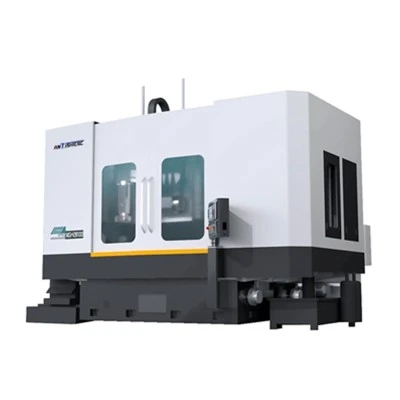
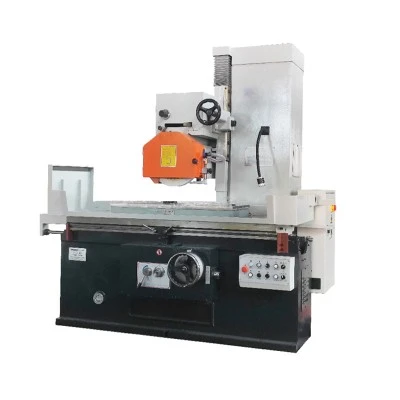
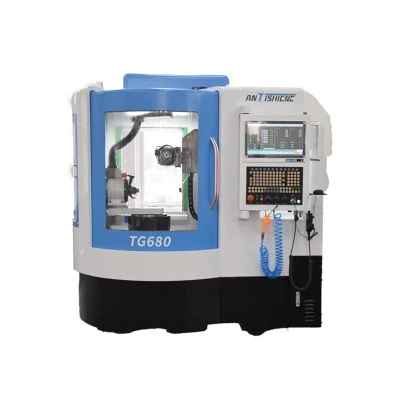

Hey there! As a supplier of shaping machines, I often get asked about how to adjust the cutting speed of these machines. It's a crucial aspect that can significantly impact the quality of your work and the lifespan of your equipment. So, let's dive right in and explore this topic in detail.
Understanding the Basics of Cutting Speed
First off, what exactly is cutting speed? In simple terms, it's the rate at which the cutting tool moves across the workpiece. It's usually measured in surface feet per minute (SFM) or meters per minute (m/min). The right cutting speed can make all the difference between a smooth, precise cut and a rough, uneven one.
Several factors come into play when determining the appropriate cutting speed. The type of material you're working with is a major one. For instance, cutting through soft materials like aluminum requires a different speed than cutting through hard materials like steel. The hardness, toughness, and structure of the material can all affect how fast the cutting tool can move without causing excessive wear or damage.
The type of cutting tool you're using also matters. Different tools have different capabilities and limitations. For example, high-speed steel (HSS) tools can generally handle lower cutting speeds compared to carbide tools, which are more heat-resistant and can withstand higher speeds.
How to Determine the Right Cutting Speed
Now, let's talk about how you can figure out the optimal cutting speed for your specific job. One way is to refer to the manufacturer's recommendations. Most shaping machine manufacturers provide guidelines on the appropriate cutting speeds for different materials and tools. These recommendations are based on extensive testing and research, so they're a great starting point.
You can also use cutting speed charts. These charts list the recommended cutting speeds for various materials and tools. You can find them in machining handbooks, online resources, or even on the packaging of your cutting tools. Just look up the material you're working with and the type of tool you're using, and you'll get a general idea of the cutting speed range you should aim for.
However, it's important to note that these recommendations and charts are just starting points. The actual optimal cutting speed may vary depending on other factors such as the condition of your machine, the feed rate, and the depth of cut. That's why it's a good idea to do some test cuts and make adjustments as needed.
Adjusting the Cutting Speed on a Shaping Machine
Once you've determined the right cutting speed, it's time to adjust it on your shaping machine. The process may vary depending on the model and make of your machine, but here are the general steps:
- Locate the speed control mechanism: This could be a lever, a dial, or a digital control panel. On older machines, you may need to change the belts or gears to adjust the speed. On newer machines, you can usually adjust the speed electronically.
- Set the desired speed: Refer to the manufacturer's instructions or the cutting speed chart to set the appropriate speed. Make sure to double-check your settings before starting the machine.
- Test the speed: Start the machine and make a test cut on a scrap piece of material. Pay attention to the quality of the cut, the noise level, and the vibration of the machine. If the cut is rough or the machine is making excessive noise or vibration, the speed may be too high or too low.
- Make adjustments as needed: Based on the results of your test cut, make small adjustments to the cutting speed until you achieve the desired results. Remember, it's better to make small adjustments and test frequently than to make large adjustments all at once.
Tips for Adjusting Cutting Speed
Here are some additional tips to help you adjust the cutting speed more effectively:
- Start slow: If you're unsure about the right cutting speed, it's better to start with a lower speed and gradually increase it. This will help you avoid damaging your cutting tool or workpiece.
- Monitor the temperature: Pay attention to the temperature of the cutting tool and the workpiece. If the temperature gets too high, it can cause the tool to wear out faster or the workpiece to deform. If you notice the temperature rising, you may need to reduce the cutting speed or increase the coolant flow.
- Consider the feed rate and depth of cut: The feed rate (the rate at which the workpiece moves towards the cutting tool) and the depth of cut (the thickness of the material being removed) also affect the cutting speed. In general, a higher feed rate and a greater depth of cut require a lower cutting speed.
- Use a coolant: Coolant helps to reduce friction and heat, which can improve the cutting performance and extend the life of your cutting tool. Make sure to use the right type of coolant for your material and tool, and apply it properly.
Related Machines and Processes
While we're on the topic of shaping machines, it's worth mentioning some related machines and processes. For example, T Slot Machining is a process that involves cutting T-shaped slots in a workpiece. This is often done using a slotting machine, which is similar to a shaping machine but has a different cutting action.
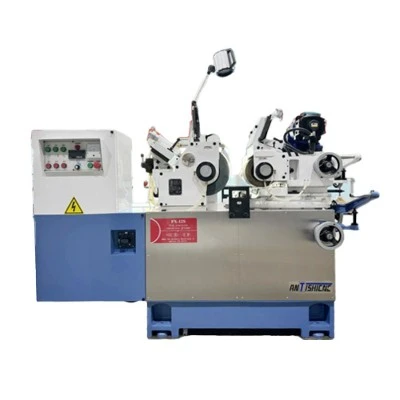
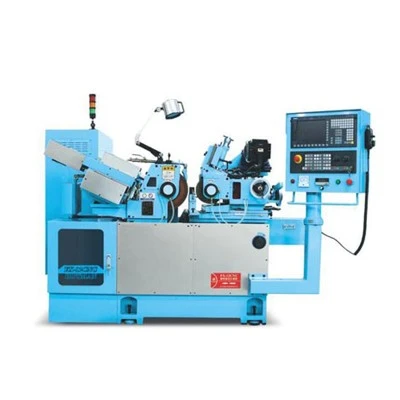
Another related machine is the Centerless Machine. Centerless grinding is a process that involves grinding a workpiece without using a center. This is useful for grinding long, thin workpieces or workpieces with irregular shapes.
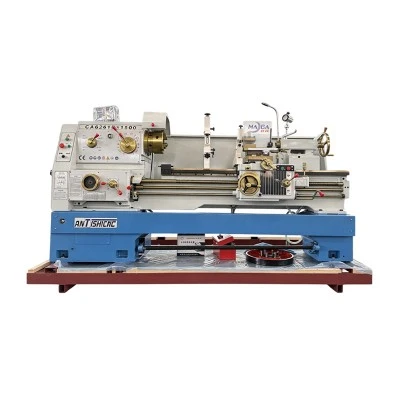
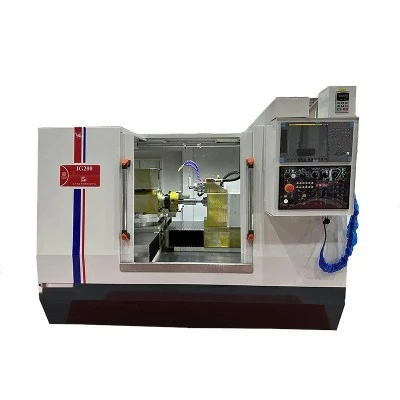
And if you're looking for a more versatile machine, you might consider a 7 Feet Lathe Machine. A lathe machine is used for turning, facing, boring, and threading operations. It can handle a wide range of materials and sizes, making it a popular choice for many machining applications.
Conclusion
Adjusting the cutting speed of a shaping machine is an important skill that can help you achieve better results and extend the life of your equipment. By understanding the factors that affect cutting speed, determining the right speed for your job, and following the proper adjustment procedures, you can ensure that your shaping machine operates at its best.
If you have any questions or need further assistance with adjusting the cutting speed of your shaping machine, or if you're interested in purchasing a shaping machine or any of our other products, please don't hesitate to contact us. We're here to help you find the right solutions for your machining needs.


References
- Machining Handbook, various editions
- Online machining resources and forums


