


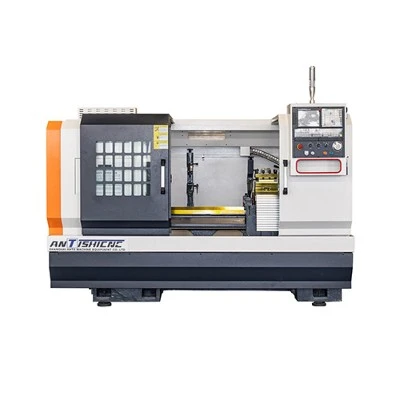
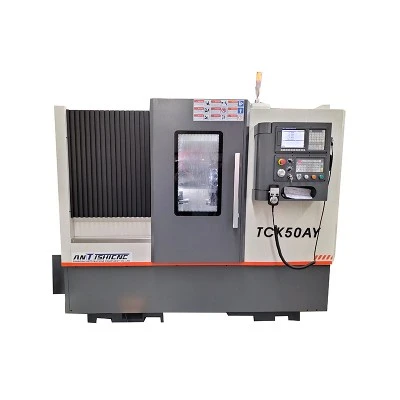
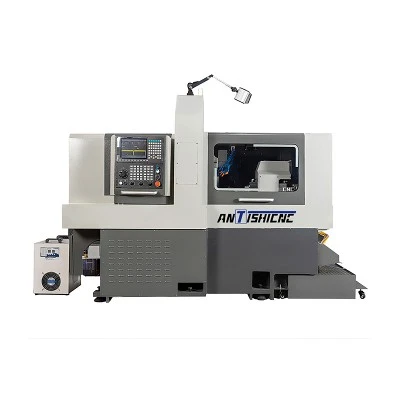
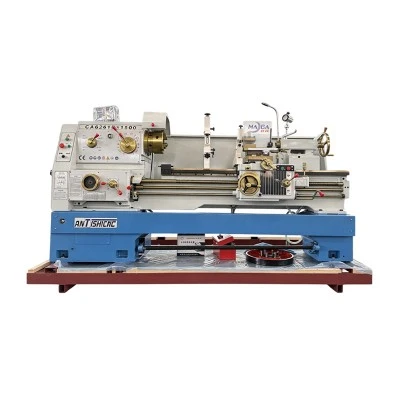
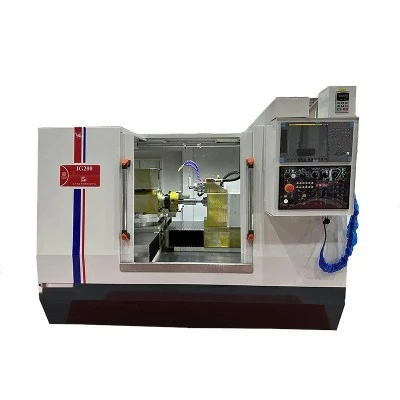
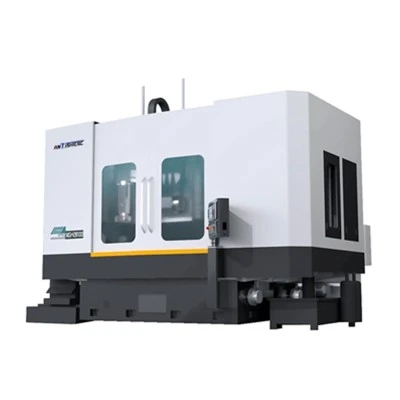

Hey there, fellow machining enthusiasts! As a supplier of Horizontal CNC Lathes, I've seen firsthand how crucial it is to choose the right chuck for your machine. A good chuck can make all the difference in the quality and efficiency of your turning operations. In this blog post, I'll share some tips on how to pick the perfect chuck for your horizontal CNC lathe.


Understanding Your Lathe's Requirements
First things first, you need to understand the specific requirements of your horizontal CNC lathe. Different lathes have different spindle sizes, speeds, and power capabilities, and these factors will influence the type of chuck you can use.
Spindle Size
The spindle size of your lathe is one of the most important factors to consider when choosing a chuck. The chuck needs to be compatible with the spindle size of your lathe. Most lathes have a standard spindle nose size, such as A2-5, A2-6, or A2-8. Make sure to check your lathe's manual or consult with the manufacturer to determine the correct spindle nose size for your machine.
Speed and Power
The speed and power of your lathe also play a role in chuck selection. High-speed lathes require chucks that can handle the centrifugal forces generated at high rotational speeds. Similarly, if your lathe has a high-power motor, you'll need a chuck that can withstand the increased torque.
Types of Chucks
There are several types of chucks available for horizontal CNC lathes, each with its own advantages and disadvantages. Let's take a look at some of the most common types:
Three-Jaw Chuck
The three-jaw chuck is one of the most popular types of chucks for horizontal CNC lathes. It's known for its self-centering ability, which means it can quickly and accurately center round, hexagonal, or triangular workpieces. Three-jaw chucks are relatively easy to use and are suitable for a wide range of turning applications. You can find more information about lathes that can use three-jaw chucks on our Horizontal Turning Lathe page.
Four-Jaw Chuck
A four-jaw chuck offers more flexibility than a three-jaw chuck because each jaw can be adjusted independently. This makes it ideal for holding irregularly shaped workpieces or for performing off-center turning operations. However, four-jaw chucks require more skill and time to set up compared to three-jaw chucks. Our Flat Bed CNC Lathe Machine can be paired with a four-jaw chuck for more complex machining tasks.
Collet Chuck
Collet chucks are designed to hold round, hexagonal, or square workpieces with high precision. They offer excellent concentricity and are commonly used for high-precision turning operations. Collet chucks are available in different sizes and styles to accommodate various workpiece diameters. If you're looking for a high-precision chuck for your CNC Horizontal Lathe, a collet chuck might be the right choice.
Consider the Workpiece Material and Size
The material and size of your workpiece are also important factors to consider when choosing a chuck.
Workpiece Material
Different materials have different properties, such as hardness, toughness, and brittleness. Hard materials, like stainless steel or titanium, require chucks with strong gripping force to prevent the workpiece from slipping during turning. Soft materials, on the other hand, may require chucks with a more gentle grip to avoid damaging the workpiece.
Workpiece Size
The size of your workpiece will determine the size of the chuck you need. Make sure to choose a chuck with a jaw opening that can accommodate the largest workpiece you plan to machine. Additionally, consider the length of the workpiece and whether you'll need a chuck with a long reach or a through-hole for long workpieces.
Chuck Quality and Brand
When it comes to chucks, quality matters. A high-quality chuck will provide better performance, durability, and accuracy. Look for chucks from reputable brands that have a proven track record in the machining industry. Read reviews and ask for recommendations from other machinists to find the best chuck for your needs.
Cost and Budget
Of course, cost is always a factor when making a purchasing decision. Chucks can vary widely in price depending on their type, size, and quality. Set a budget for your chuck purchase and look for options that offer the best value for your money. Remember, investing in a high-quality chuck may cost more upfront but can save you money in the long run by reducing downtime and improving the quality of your work.
Conclusion
Choosing the right chuck for your horizontal CNC lathe is a critical decision that can have a significant impact on your machining operations. By considering factors such as your lathe's requirements, the type of chuck, the workpiece material and size, chuck quality, and your budget, you can make an informed choice.
If you're still unsure which chuck is right for your horizontal CNC lathe, don't hesitate to reach out to us. As a supplier of Horizontal CNC Lathes, we have the expertise and experience to help you find the perfect chuck for your machine. Contact us today to start a discussion about your specific needs and get a quote for the chuck that's right for you.
References
- "CNC Machining Handbook" by John Doe
- "Modern Lathe Operations" by Jane Smith


