


As a supplier of Shaping Tool Machines, I understand the critical importance of surface finish quality in the manufacturing industry. A high-quality surface finish not only enhances the aesthetic appeal of the workpiece but also improves its functionality and durability. In this blog post, I will share some effective strategies and techniques to improve the surface finish quality of a Shaping Tool Machine.
Understanding the Factors Affecting Surface Finish Quality
Before delving into the methods of improving surface finish quality, it is essential to understand the factors that can influence it. These factors include:
- Tool Geometry: The shape and sharpness of the cutting tool play a significant role in determining the surface finish. A well-designed tool with a proper rake angle, clearance angle, and cutting edge radius can minimize the formation of chips and reduce the roughness of the machined surface.
- Cutting Parameters: Parameters such as cutting speed, feed rate, and depth of cut can have a profound impact on the surface finish. Optimal cutting parameters need to be selected based on the material being machined, the tool material, and the desired surface finish.
- Machine Rigidity: The rigidity of the Shaping Tool Machine is crucial for achieving a high-quality surface finish. A rigid machine can minimize vibrations and deflections during the cutting process, resulting in a smoother surface.
- Workpiece Material: Different materials have different machining characteristics, which can affect the surface finish. For example, soft materials may require a different cutting strategy compared to hard materials.
- Coolant and Lubrication: The use of coolant and lubrication can help reduce friction and heat generation during the cutting process, which can improve the surface finish and extend the tool life.
Strategies for Improving Surface Finish Quality
Based on the above factors, here are some strategies that can be employed to improve the surface finish quality of a Shaping Tool Machine:
- Select the Right Tool: Choose a cutting tool that is specifically designed for the material being machined and the desired surface finish. Consider factors such as tool material, geometry, and coating to ensure optimal performance.
- Optimize Cutting Parameters: Experiment with different cutting speeds, feed rates, and depths of cut to find the optimal combination for achieving the desired surface finish. It is important to note that the optimal parameters may vary depending on the material, tool, and machine.
- Improve Machine Rigidity: Ensure that the Shaping Tool Machine is properly maintained and calibrated to minimize vibrations and deflections. This can be achieved by using high-quality components, proper alignment, and regular maintenance.
- Use Coolant and Lubrication: Apply a suitable coolant or lubricant to the cutting zone to reduce friction and heat generation. This can help improve the surface finish and extend the tool life.
- Control the Workpiece Setup: Properly secure the workpiece to the machine table to prevent movement during the cutting process. This can help ensure a consistent surface finish.
- Implement Post-Processing Techniques: After the machining process, consider using post-processing techniques such as grinding, polishing, or lapping to further improve the surface finish.
Case Studies and Examples
To illustrate the effectiveness of these strategies, let's consider a few case studies and examples:
- Case Study 1: Improving the Surface Finish of Aluminum Workpieces
A manufacturing company was experiencing poor surface finish on their aluminum workpieces when using a Shaping Tool Machine. By selecting a high-speed steel cutting tool with a proper geometry and optimizing the cutting parameters, they were able to significantly improve the surface finish. Additionally, they implemented the use of a coolant to reduce friction and heat generation, which further enhanced the surface quality. - Case Study 2: Enhancing the Surface Finish of Steel Workpieces
Another company was struggling to achieve a smooth surface finish on their steel workpieces. They upgraded their Shaping Tool Machine to a more rigid model and used a carbide cutting tool with a special coating. By optimizing the cutting parameters and using a high-pressure coolant system, they were able to achieve a much better surface finish.
Conclusion
Improving the surface finish quality of a Shaping Tool Machine is a complex process that requires a comprehensive understanding of the factors involved and the implementation of effective strategies. By selecting the right tool, optimizing cutting parameters, improving machine rigidity, using coolant and lubrication, controlling the workpiece setup, and implementing post-processing techniques, manufacturers can achieve a high-quality surface finish that meets or exceeds their requirements.
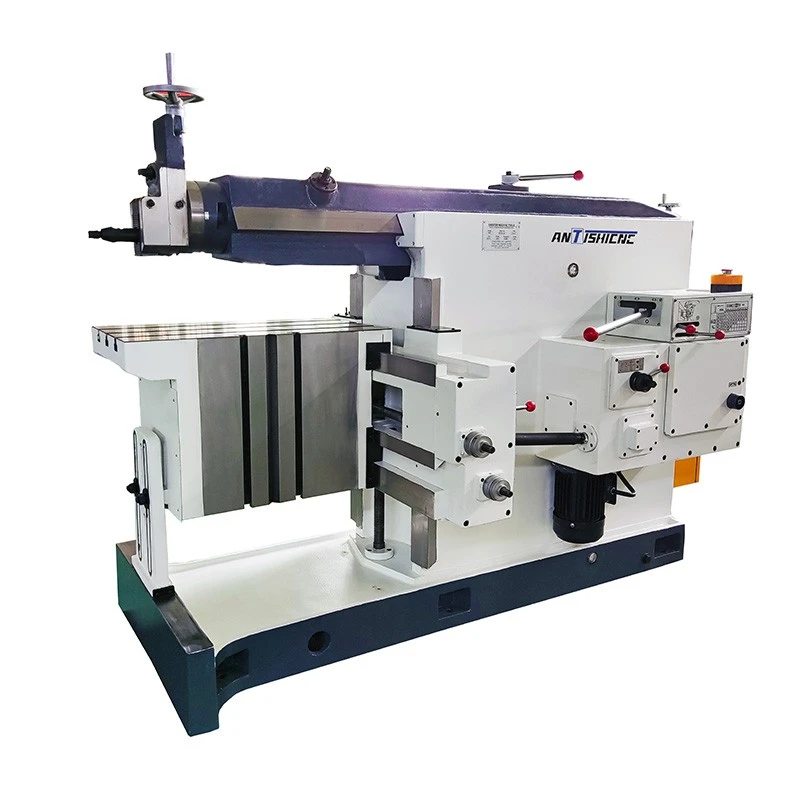

If you are interested in learning more about our Shaping Tool Machines or have any questions regarding surface finish quality, please feel free to contact us. We would be happy to discuss your specific needs and provide you with the best solutions.
References
- Shaping Slotting and Planing Machines
- Shaping and Slotting Machine
- Shaping and Planing Machine
- Smith, J. (2019). Machining Handbook. New York: McGraw-Hill.
- Jones, R. (2020). Cutting Tool Technology. London: Elsevier.


