


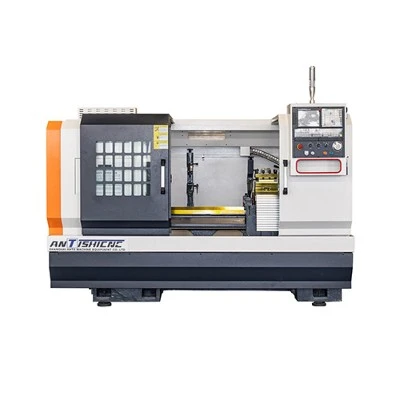
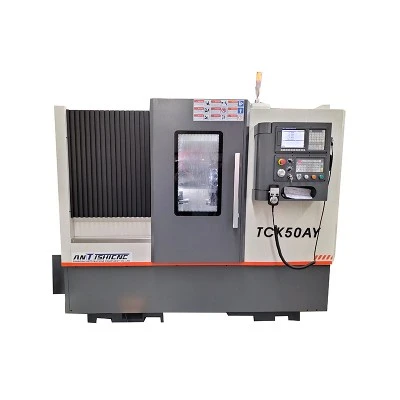
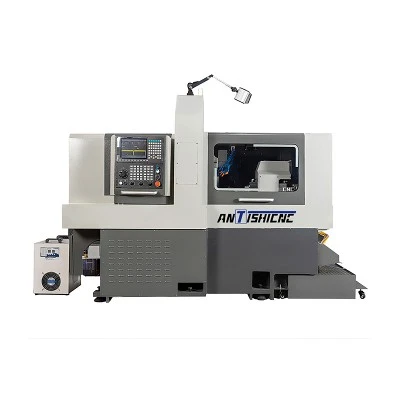
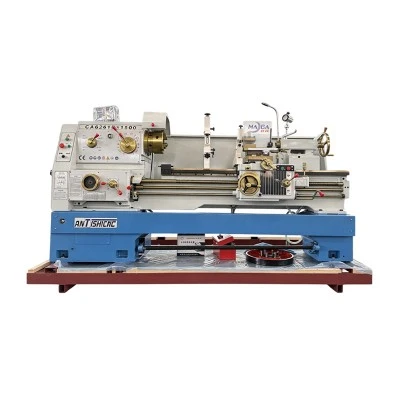
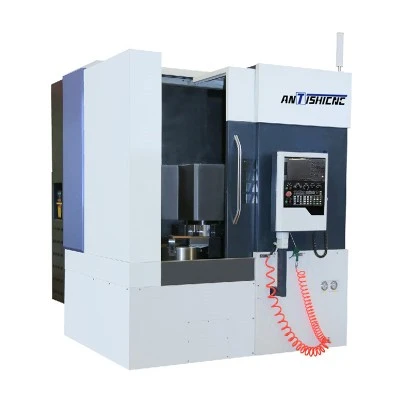
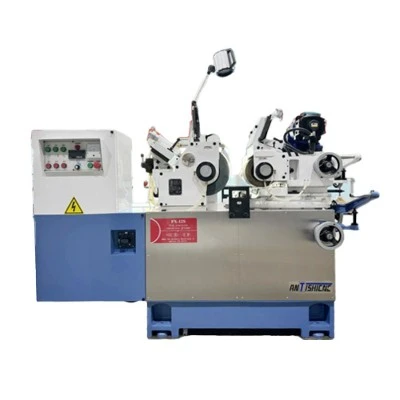
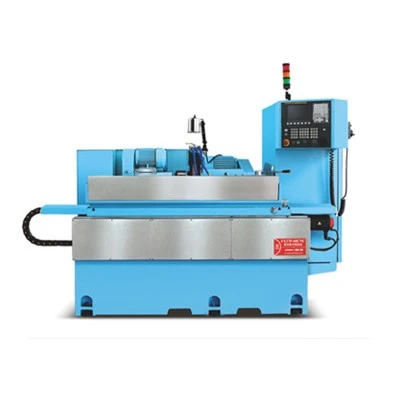
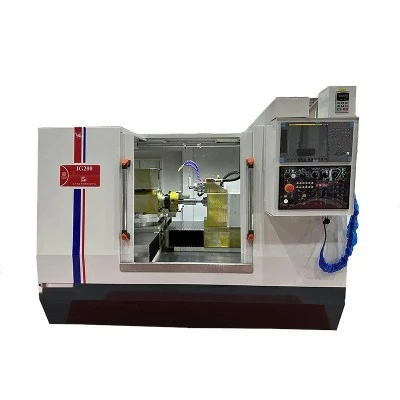
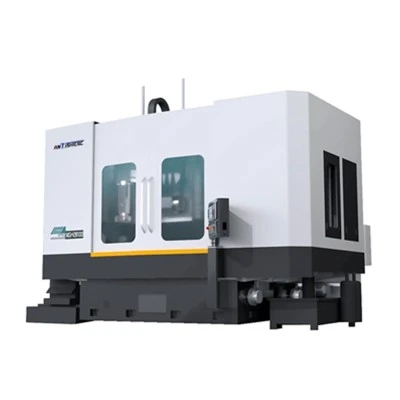
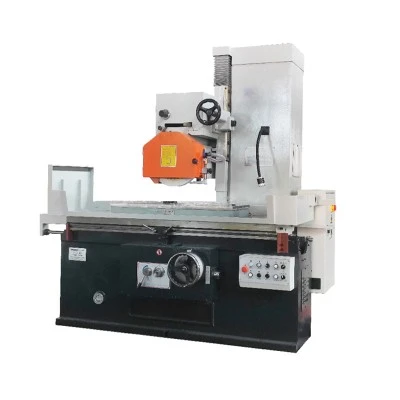
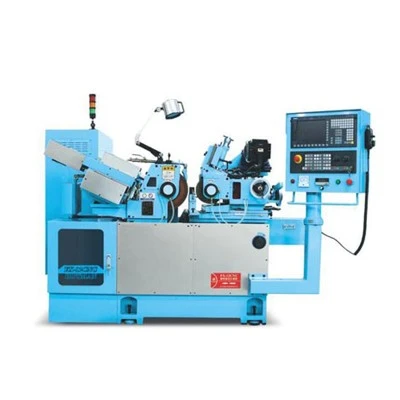
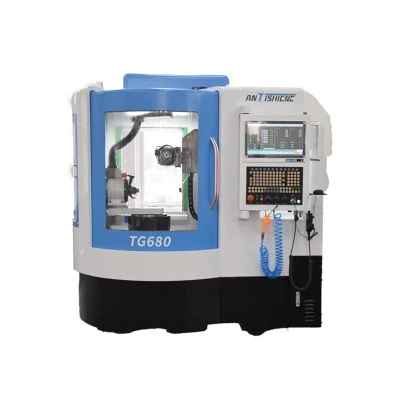

Integrating a horizontal CNC lathe into a production line is a strategic decision that can significantly enhance manufacturing efficiency, precision, and productivity. As a leading supplier of Horizontal CNC Lathes, I understand the complexities and opportunities associated with this integration process. In this blog post, I will share valuable insights and practical steps to help you seamlessly incorporate a horizontal CNC lathe into your production line.
Understanding the Basics of a Horizontal CNC Lathe
Before delving into the integration process, it's essential to have a clear understanding of what a horizontal CNC lathe is and how it operates. A horizontal CNC lathe is a computer-controlled machine tool used for machining cylindrical parts. It features a horizontal spindle axis and is capable of performing various turning operations, such as facing, threading, and boring, with high precision and repeatability.
Our Horizontal CNC Lathe is equipped with advanced features and technologies to meet the diverse needs of modern manufacturing. It offers a wide range of spindle speeds, feed rates, and cutting capabilities, allowing for efficient and accurate machining of different materials, including metals, plastics, and composites.


Assessing Your Production Line Requirements
The first step in integrating a horizontal CNC lathe into your production line is to assess your specific requirements. This involves evaluating your current production processes, identifying bottlenecks, and determining the desired outcomes of the integration. Consider the following factors:
- Part Complexity: The complexity of the parts you need to machine will determine the capabilities required of the CNC lathe. For simple parts, a basic lathe may suffice, while more complex parts may require a lathe with advanced features, such as multiple axes and live tooling.
- Production Volume: The volume of parts you need to produce will influence the size and capacity of the CNC lathe. For high-volume production, a larger lathe with a higher spindle speed and faster cycle times may be necessary.
- Quality Standards: The quality standards of your products will dictate the precision and accuracy requirements of the CNC lathe. Look for a lathe that offers high repeatability and can achieve tight tolerances.
- Integration Compatibility: Ensure that the CNC lathe is compatible with your existing production line equipment and software. This includes considering factors such as communication protocols, control systems, and automation interfaces.
Selecting the Right Horizontal CNC Lathe
Once you have assessed your production line requirements, the next step is to select the right horizontal CNC lathe for your needs. There are several factors to consider when making this decision:
- Machine Specifications: Review the technical specifications of the CNC lathe, including spindle speed, feed rate, cutting capacity, and accuracy. Ensure that the machine meets your specific requirements and can handle the types of parts you need to machine.
- Brand Reputation: Choose a reputable brand with a proven track record of reliability and performance. Look for customer reviews and testimonials to gauge the quality of the machine and the level of customer support provided by the manufacturer.
- Cost: Consider the cost of the CNC lathe, including the purchase price, installation costs, and ongoing maintenance expenses. Compare prices from different suppliers to ensure that you are getting the best value for your money.
- After-Sales Support: Look for a supplier that offers comprehensive after-sales support, including training, technical assistance, and spare parts availability. This will ensure that your CNC lathe operates smoothly and efficiently throughout its lifespan.
Our company offers a wide range of CNC Turn Mill Center Machine and Flat Bed Lathe options to meet the diverse needs of our customers. Our experienced sales team can help you select the right machine for your production line and provide you with detailed information on pricing, specifications, and after-sales support.
Preparing Your Production Line for Integration
Before installing the horizontal CNC lathe, it's important to prepare your production line for integration. This involves making any necessary modifications to your existing equipment and infrastructure to ensure compatibility and optimal performance. Consider the following steps:
- Space Planning: Determine the appropriate location for the CNC lathe within your production line. Ensure that there is sufficient space for the machine, as well as for operator access, material handling, and maintenance.
- Electrical and Plumbing Requirements: Ensure that your production line has the necessary electrical and plumbing connections to support the operation of the CNC lathe. This may involve installing additional electrical circuits, water lines, and coolant systems.
- Tooling and Fixturing: Select the appropriate tooling and fixturing for your CNC lathe. This includes choosing the right cutting tools, workholding devices, and measuring equipment. Ensure that the tooling and fixturing are compatible with the machine and can be easily integrated into your production processes.
- Operator Training: Provide comprehensive training to your operators on the operation and maintenance of the CNC lathe. This will ensure that they are able to use the machine safely and effectively and can troubleshoot any issues that may arise.
Integrating the Horizontal CNC Lathe into Your Production Line
Once you have prepared your production line for integration, the next step is to install and commission the horizontal CNC lathe. This involves the following steps:
- Machine Installation: Follow the manufacturer's instructions to install the CNC lathe in the designated location. Ensure that the machine is level, secure, and properly aligned.
- Electrical and Plumbing Connections: Connect the CNC lathe to the electrical and plumbing systems in your production line. Ensure that all connections are secure and that there are no leaks or electrical hazards.
- Software Installation and Configuration: Install the CNC control software on the machine and configure it according to your specific requirements. This may involve setting up the machine parameters, programming the cutting paths, and integrating the machine with your existing production line software.
- Testing and Validation: Conduct thorough testing and validation of the CNC lathe to ensure that it is operating correctly and meeting your production requirements. This may involve running test parts, checking the accuracy of the machine, and verifying the functionality of the control system.
Optimizing the Performance of Your Production Line
Once the horizontal CNC lathe has been integrated into your production line, the final step is to optimize its performance. This involves continuously monitoring and improving the efficiency, quality, and productivity of your production processes. Consider the following strategies:
- Process Optimization: Analyze your production processes to identify areas for improvement. This may involve streamlining the workflow, reducing setup times, and optimizing the cutting parameters.
- Quality Control: Implement a comprehensive quality control system to ensure that your products meet the required quality standards. This may involve using inspection equipment, such as coordinate measuring machines (CMMs), to verify the accuracy of the machined parts.
- Maintenance and Upkeep: Establish a regular maintenance schedule for the CNC lathe to ensure that it is operating at peak performance. This may involve performing routine maintenance tasks, such as lubrication, cleaning, and inspection, and replacing worn or damaged parts as needed.
- Continuous Improvement: Encourage a culture of continuous improvement within your organization. This may involve soliciting feedback from your operators, analyzing production data, and implementing new technologies and processes to improve the efficiency and productivity of your production line.
Conclusion
Integrating a horizontal CNC lathe into your production line can be a complex and challenging process, but it can also yield significant benefits in terms of efficiency, precision, and productivity. By following the steps outlined in this blog post and working with a reputable supplier, you can ensure a smooth and successful integration and optimize the performance of your production line.
If you are interested in learning more about our Horizontal CNC Lathe or have any questions about integrating a CNC lathe into your production line, please contact us. Our experienced sales team will be happy to assist you and provide you with detailed information on our products and services.
References
- Modern Manufacturing Technology Handbook.
- CNC Machining: Programming and Operations.
- Production Line Integration Best Practices.


