


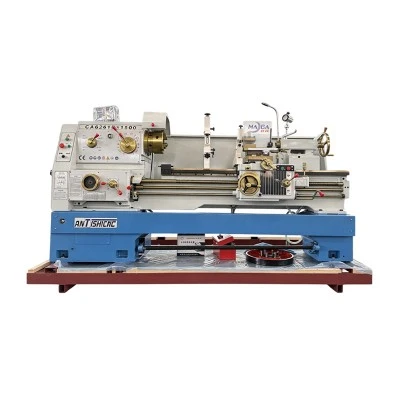


Hey there! I'm a supplier of traditional lathes, and I've seen firsthand how these machines can be real workhorses in a workshop. But like any piece of equipment, they need proper maintenance to keep running smoothly. In this blog, I'll share some tips on how to maintain a traditional lathe.
Regular Cleaning
First off, cleaning is super important. Dust, chips, and debris can build up on your lathe over time, and that's not good for its performance. You should clean your lathe after every use. Start by using a brush to remove loose chips and dirt from the bed, carriage, and other parts. Then, use a clean, dry cloth to wipe down the surfaces.
For more stubborn grime, you can use a mild solvent. Just make sure it's safe for the materials on your lathe. Avoid using abrasive cleaners as they can scratch the surfaces. After cleaning, apply a light coat of oil to prevent rust. This simple step can go a long way in extending the life of your lathe.
Lubrication
Lubrication is another key aspect of lathe maintenance. All the moving parts of a lathe need to be properly lubricated to reduce friction and wear. Check the manufacturer's manual to find out what type of lubricant to use and how often to apply it.
Most lathes have oil cups or grease fittings at various points. Make sure these are filled regularly. For the gears and other internal parts, you might need to use a special lubricant. Don't over - lubricate, though, as too much oil can attract dirt and cause more problems.
Belt and Pulley Inspection
The belts and pulleys on your lathe are crucial for power transmission. Over time, belts can wear out, stretch, or become misaligned. Check the belts regularly for signs of wear, such as cracks or fraying. If you notice any damage, replace the belt immediately.
Also, make sure the pulleys are properly aligned. Misaligned pulleys can cause the belt to wear unevenly and reduce the efficiency of the lathe. You can use a straightedge to check the alignment and adjust the pulleys if necessary.
Tooling Maintenance
The cutting tools on your lathe are what do the actual work. Keeping them sharp and in good condition is essential for getting a good finish on your workpieces. After each use, clean the cutting tools and store them properly.
Sharpen the tools regularly. You can use a grinding wheel or a sharpening stone, depending on the type of tool. Make sure to follow the correct sharpening angles for the best results. Dull tools not only produce a poor finish but also put more stress on the lathe, which can lead to premature wear.


Alignment Checks
The alignment of the lathe's components is critical for accurate machining. Over time, the bed, headstock, and tailstock can become misaligned due to normal use or vibrations. You should perform alignment checks periodically.
Use precision measuring tools like dial indicators to check the alignment. If you find any misalignment, you may need to make adjustments. This can be a bit tricky, so if you're not confident, it's a good idea to consult a professional.
Electrical System Inspection
If your lathe has an electrical system, it's important to check it regularly. Look for any loose wires, frayed insulation, or signs of overheating. Make sure all the switches and controls are working properly.
If you're not experienced with electrical systems, it's best to have a qualified electrician perform a thorough inspection at least once a year. Electrical problems can be dangerous, so don't take any chances.
Storage
When you're not using your lathe, proper storage is important. If possible, cover the lathe to protect it from dust and moisture. Store it in a dry, clean area.
If you need to store the lathe for an extended period, take some extra precautions. Drain the coolant (if applicable), and apply a rust - preventive coating to all the metal surfaces. You may also want to remove the belts and store them separately to prevent them from stretching.
Using Quality Parts
As a traditional lathe supplier, I always recommend using high - quality replacement parts. When it comes time to replace a belt, a pulley, or a cutting tool, don't skimp on quality. Cheaper parts may seem like a good deal at first, but they often wear out faster and can cause more problems in the long run.
You can find a wide range of high - quality parts for your lathe. For example, if you're looking for a large lathe, check out this Large Lathe Machine. And if an 8 - foot lathe is what you need, take a look at this Lathe Machine 8 Feet. Also, don't forget about the Universal Lathe Stand, which can provide a stable base for your lathe.
Training and Operator Skills
Finally, the skills of the operator play a big role in lathe maintenance. Make sure the people using the lathe are properly trained. They should know how to use the lathe correctly, how to perform basic maintenance tasks, and how to spot potential problems early.
Proper training can not only extend the life of the lathe but also improve the quality of the work being done. Encourage your operators to take pride in their work and to take good care of the equipment.
In conclusion, maintaining a traditional lathe requires a combination of regular cleaning, lubrication, inspection, and proper use. By following these tips, you can keep your lathe running smoothly for years to come.
If you're in the market for a new traditional lathe or need replacement parts, feel free to reach out. I'm here to help you make the right choice and ensure that your lathe serves you well. Whether you're a small - scale hobbyist or a large - scale manufacturer, I've got the products and expertise to meet your needs. Let's start a conversation about your lathe requirements and see how we can work together.
References
- "Lathe Operator's Handbook" by Fred Deegan
- Manufacturer's manuals for traditional lathes


