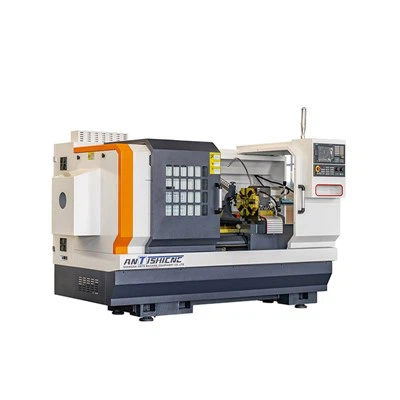
Selecting the right cutting tool for a slotting machine is a critical decision that can significantly impact the efficiency, precision, and quality of your machining operations. As a trusted slotting machine supplier, we understand the importance of this choice and are here to guide you through the process. In this blog post, we'll explore the key factors to consider when choosing a cutting tool for your slotting machine, providing you with the knowledge and insights needed to make an informed decision.
Understanding the Slotting Machine
Before delving into the selection of cutting tools, it's essential to have a basic understanding of the slotting machine itself. A slotting machine is a type of machine tool used for cutting slots, keyways, and other internal or external features in a workpiece. It operates by reciprocating a cutting tool vertically or horizontally to remove material from the workpiece. Slotting machines come in various types, including Slot Grinder, Vertical Slotter, and Heavy Duty Slotting Machine, each designed for specific applications and materials.
Factors to Consider When Selecting a Cutting Tool
1. Workpiece Material
The material of the workpiece is one of the most important factors to consider when selecting a cutting tool. Different materials have different hardness, toughness, and machinability characteristics, which require specific cutting tool materials and geometries. For example, cutting tools made of high-speed steel (HSS) are suitable for machining softer materials such as aluminum and brass, while carbide cutting tools are better suited for harder materials such as steel and stainless steel.
2. Slot Dimensions
The dimensions of the slot you need to cut, including the width, depth, and length, will also influence the choice of cutting tool. For narrow slots, a thin cutting tool with a small diameter may be required, while wider slots may require a tool with a larger diameter. Additionally, the depth of the slot will determine the length of the cutting tool needed.
3. Cutting Speed and Feed Rate
The cutting speed and feed rate are critical parameters that affect the performance and lifespan of the cutting tool. The cutting speed is the speed at which the cutting tool moves relative to the workpiece, while the feed rate is the rate at which the workpiece is fed into the cutting tool. These parameters should be selected based on the workpiece material, cutting tool material, and slot dimensions to ensure optimal cutting performance and tool life.
4. Tool Geometry
The geometry of the cutting tool, including the shape, rake angle, and clearance angle, plays a crucial role in determining the cutting performance and chip formation. Different tool geometries are designed for specific applications and materials, and selecting the right geometry can improve the cutting efficiency, reduce tool wear, and enhance the surface finish of the workpiece.


5. Tool Coating
Tool coatings can significantly improve the performance and lifespan of cutting tools. Coatings such as titanium nitride (TiN), titanium carbonitride (TiCN), and aluminum titanium nitride (AlTiN) can provide increased hardness, wear resistance, and lubricity, reducing friction and heat generation during cutting. The choice of coating will depend on the workpiece material, cutting conditions, and tool geometry.
Types of Cutting Tools for Slotting Machines
1. Slotting Cutters
Slotting cutters are the most common type of cutting tool used in slotting machines. They are designed to cut slots of various widths and depths in a workpiece. Slotting cutters come in different shapes and sizes, including straight fluted, spiral fluted, and form cutters, each suitable for specific applications.
2. Keyway Cutters
Keyway cutters are used to cut keyways in shafts and other cylindrical components. They are typically made of high-speed steel or carbide and come in different sizes and shapes to accommodate different keyway dimensions.
3. End Mills
End mills are versatile cutting tools that can be used for slotting, profiling, and milling operations. They are available in a variety of shapes and sizes, including square end, ball end, and corner radius end mills, each suitable for different applications.
4. Reamers
Reamers are used to finish the inside diameter of a hole or slot to a precise size and surface finish. They are typically made of high-speed steel or carbide and come in different sizes and types, including hand reamers, machine reamers, and adjustable reamers.
Tips for Selecting the Right Cutting Tool
1. Consult with a Cutting Tool Expert
If you're unsure which cutting tool is best for your application, it's always a good idea to consult with a cutting tool expert. They can provide you with valuable insights and recommendations based on your specific requirements and machining conditions.
2. Consider the Cost
While it's important to choose a high-quality cutting tool, it's also important to consider the cost. Cutting tools can vary significantly in price, depending on the material, geometry, and coating. It's important to find a balance between quality and cost to ensure you're getting the best value for your money.
3. Test and Evaluate
Before committing to a particular cutting tool, it's a good idea to test and evaluate it in your machining operation. This will allow you to determine its performance, durability, and suitability for your application. You can also compare different cutting tools to find the one that offers the best combination of performance and cost.
4. Maintain and Replace Cutting Tools Regularly
Proper maintenance and replacement of cutting tools are essential for ensuring optimal performance and tool life. Regularly inspect your cutting tools for signs of wear and damage, and replace them when necessary. This will help prevent costly downtime and ensure the quality of your machining operations.
Conclusion
Selecting the right cutting tool for a slotting machine is a complex decision that requires careful consideration of several factors, including the workpiece material, slot dimensions, cutting speed and feed rate, tool geometry, and tool coating. By understanding these factors and following the tips outlined in this blog post, you can make an informed decision and choose the cutting tool that best meets your specific requirements.
As a leading slotting machine supplier, we are committed to providing our customers with high-quality cutting tools and expert advice to help them achieve optimal machining performance. If you have any questions or need assistance in selecting the right cutting tool for your slotting machine, please don't hesitate to contact us. We look forward to working with you to meet your machining needs.
References
- "Machining Handbook," Industrial Press Inc.
- "Cutting Tool Engineering," Society of Manufacturing Engineers.
- "Modern Machining Technology," McGraw-Hill Education.