


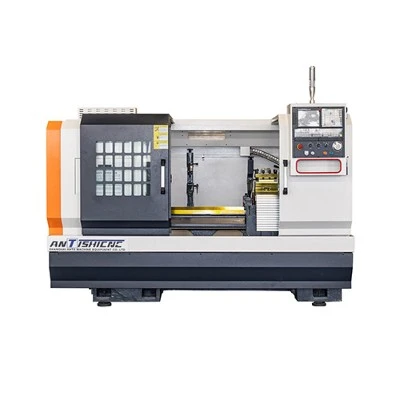
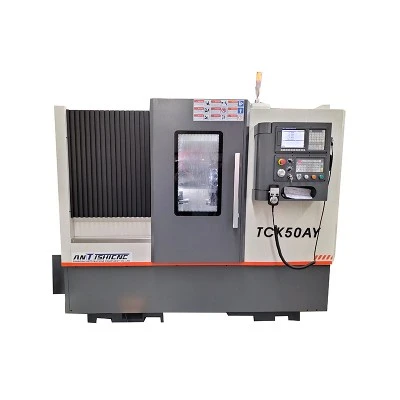
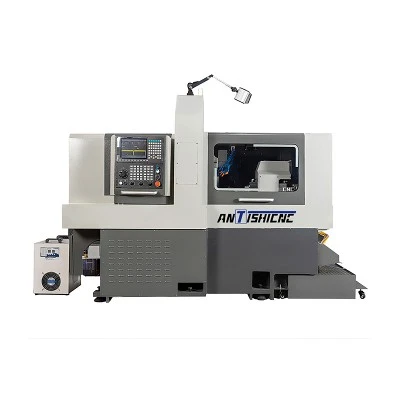
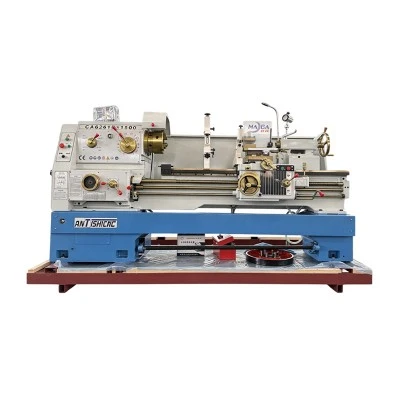
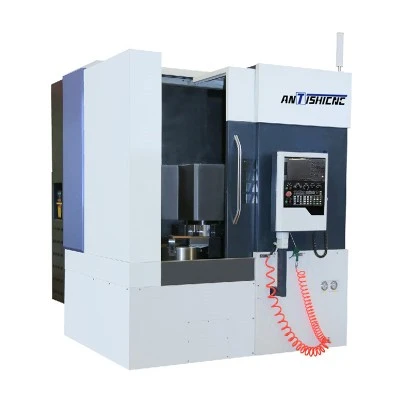
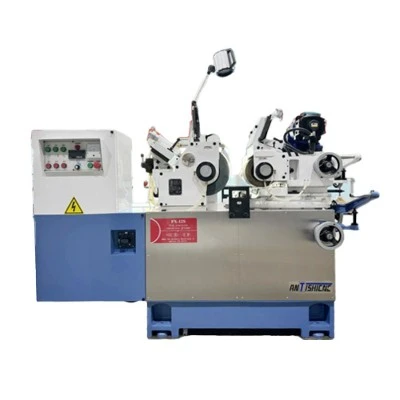
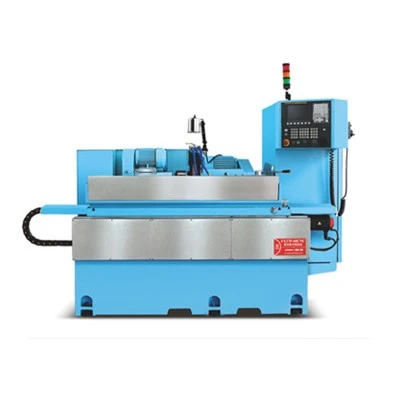
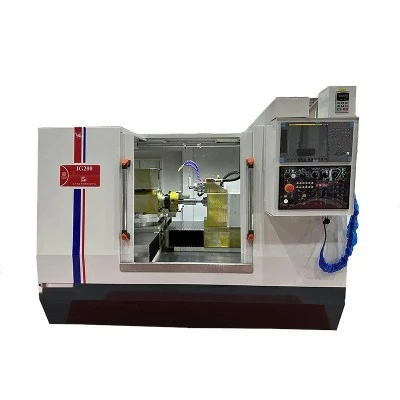
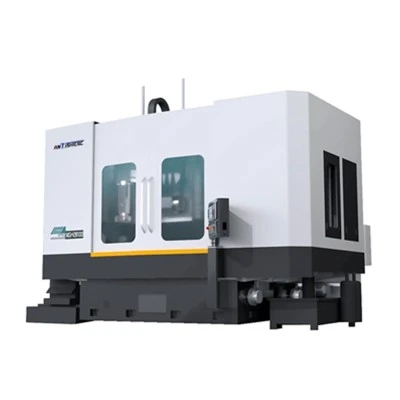
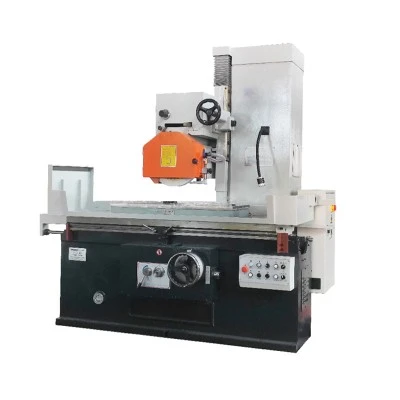
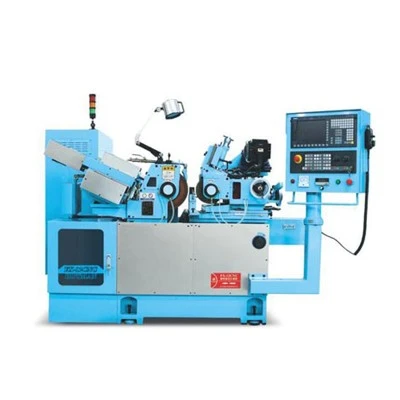
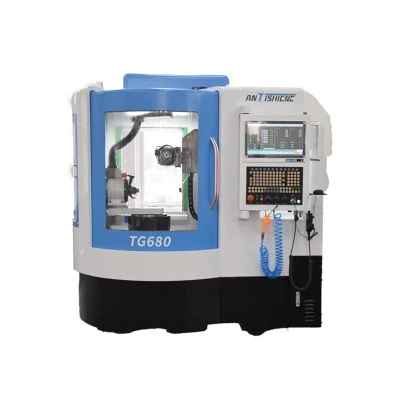

As a seasoned provider of Shaping Tool Machines, I understand the significance of setting the depth of cut accurately. It's a fundamental aspect that can greatly influence the quality of your machining operations. In this blog, I'll guide you through the process of setting the depth of cut on a Shaping Tool Machine, offering insights and tips based on my years of experience in the industry.
Understanding the Basics of Depth of Cut
Before delving into the setting process, it's crucial to understand what the depth of cut entails. The depth of cut refers to the thickness of the material removed in a single pass by the cutting tool. It's a critical parameter that affects factors such as surface finish, cutting forces, and tool life. A proper depth of cut ensures efficient material removal while maintaining the integrity of the workpiece and the cutting tool.
Factors Affecting the Depth of Cut
Several factors come into play when determining the appropriate depth of cut for your Shaping Tool Machine. These include:
- Material Type: Different materials have varying hardness and machinability. For instance, softer materials like aluminum can generally tolerate larger depths of cut compared to harder materials such as steel.
- Tool Geometry: The shape and size of the cutting tool influence its ability to remove material. Tools with larger cutting edges can typically handle greater depths of cut.
- Machine Capacity: The power and rigidity of your Shaping Tool Machine determine its maximum allowable depth of cut. Exceeding the machine's capacity can lead to poor surface finish, tool breakage, and even damage to the machine.
- Desired Surface Finish: If you require a smooth surface finish, you may need to reduce the depth of cut to minimize the risk of surface irregularities.
Steps to Set the Depth of Cut
Now that you have a better understanding of the factors involved, let's walk through the steps to set the depth of cut on a Shaping Tool Machine:
- Inspect the Workpiece: Before making any adjustments, carefully examine the workpiece to ensure it is securely clamped and free from any defects or irregularities. This will help prevent issues during the machining process.
- Select the Appropriate Cutting Tool: Choose a cutting tool that is suitable for the material you're working with and the desired depth of cut. Refer to the tool manufacturer's recommendations for guidance.
- Determine the Initial Depth of Cut: Based on the factors mentioned earlier, decide on an initial depth of cut. It's often advisable to start with a conservative value and gradually increase it as needed.
- Adjust the Depth of Cut Mechanism: Most Shaping Tool Machines are equipped with a depth of cut adjustment mechanism. This can be a handwheel, a digital readout, or a combination of both. Use the appropriate method to set the desired depth of cut.
- Verify the Setting: Once you've made the adjustment, double-check the depth of cut setting to ensure it is accurate. You can use a depth gauge or a micrometer to measure the actual depth of cut.
- Make a Test Cut: Before proceeding with the full machining operation, make a test cut on a scrap piece of material. This will allow you to evaluate the surface finish and the performance of the cutting tool. If necessary, make further adjustments to the depth of cut.
- Monitor the Machining Process: During the machining process, closely monitor the cutting forces, the surface finish, and the condition of the cutting tool. If you notice any issues, such as excessive vibration or tool wear, stop the machine immediately and make the necessary adjustments.
Tips for Optimal Depth of Cut Setting
Here are some additional tips to help you achieve optimal depth of cut setting on your Shaping Tool Machine:
- Use a Cutting Fluid: Applying a cutting fluid can help reduce friction, dissipate heat, and improve the surface finish. Choose a cutting fluid that is compatible with the material you're working with and the cutting tool.
- Maintain the Cutting Tool: Regularly inspect and sharpen the cutting tool to ensure its optimal performance. Dull tools can lead to poor surface finish and increased cutting forces.
- Keep the Machine Clean: A clean machine is essential for accurate depth of cut setting. Remove any chips, debris, or coolant from the machine regularly to prevent interference with the depth of cut adjustment mechanism.
- Follow the Manufacturer's Recommendations: Always refer to the manufacturer's manual for specific instructions on setting the depth of cut for your Shaping Tool Machine. This will help ensure safe and efficient operation.
Conclusion
Setting the depth of cut on a Shaping Tool Machine is a critical skill that can significantly impact the quality and efficiency of your machining operations. By understanding the factors involved, following the proper steps, and implementing the tips provided, you can achieve optimal depth of cut setting and produce high-quality workpieces.
If you're in the market for a Shaping Tool Machine or need further assistance with depth of cut setting, we're here to help. As a leading Shaping and Planing Machine supplier, we offer a wide range of high-quality machines and expert support. Whether you're looking for a Shaping Planer or a Small Shaper Machine, we have the solution to meet your needs. Contact us today to discuss your requirements and explore our product offerings.


References
- Machinery's Handbook, 31st Edition
- Shaping Tool Machine Manufacturer's Manuals


