


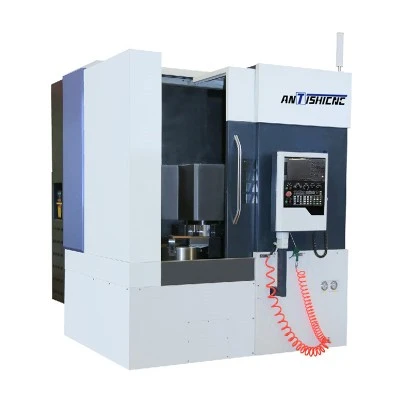
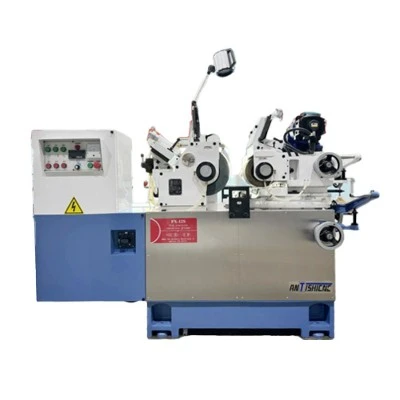
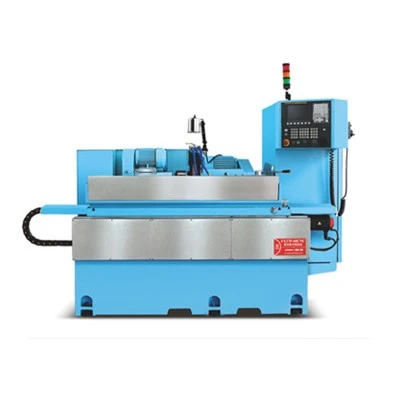
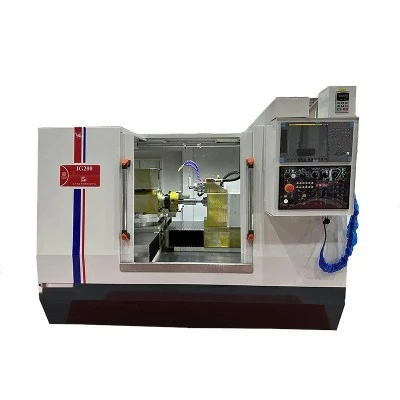
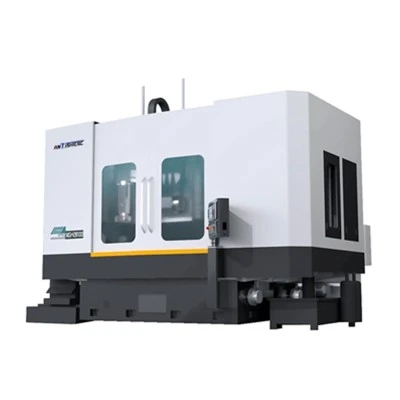
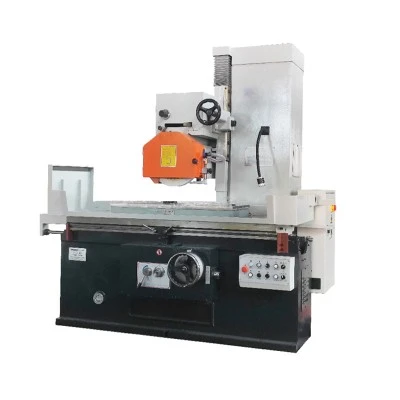
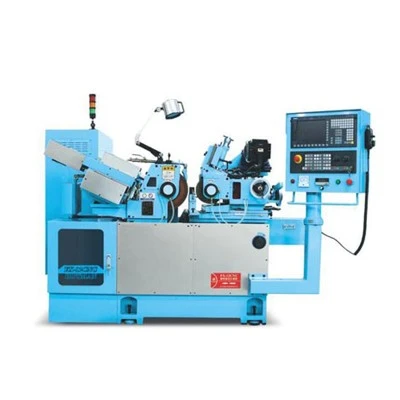
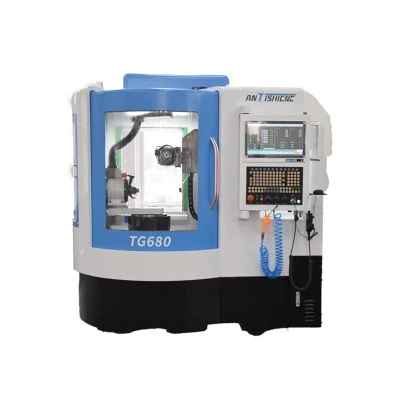

Hey there! As a supplier of shaping machines, I've had the pleasure of working closely with these incredible pieces of equipment. In this blog, I'm gonna break down the main components of a shaping machine, so you can get a better understanding of how they work and what makes them so useful.
Base
Let's start with the base. This is the foundation of the shaping machine, and it's usually made of cast iron. Why cast iron? Well, it's heavy and rigid, which helps to absorb vibrations during the machining process. A stable base is crucial because it keeps the whole machine steady, preventing any unwanted movement that could mess up the accuracy of the cuts. Think of it like the foundation of a house; if it's not solid, everything on top of it is gonna be wobbly.
Column
Next up is the column. It's attached to the base and stands vertically. The column provides support for the other components of the machine, like the cross - rail and the ram. It's also where you'll find the drive mechanism that powers the movement of the ram. The column is designed to be strong and sturdy, as it has to withstand the forces generated during the shaping operation.
Cross - Rail
The cross - rail is mounted on the column and can be adjusted vertically. This adjustment allows you to set the height of the workpiece relative to the cutting tool. You can move the cross - rail up or down depending on the size of the piece you're working on. It's like having a flexible workbench that you can position just right for your project.
Saddle
The saddle is placed on the cross - rail and can move horizontally. This horizontal movement is used to position the workpiece in the X - axis direction. You can slide the saddle back and forth to align the workpiece with the cutting tool. It gives you precise control over the position of the workpiece, which is essential for accurate shaping.
Table
The table is mounted on the saddle. It's where you place the workpiece that you want to shape. The table can be adjusted in multiple ways. You can move it horizontally and vertically, and you can also rotate it. This flexibility allows you to work on different angles and shapes of workpieces. For example, if you're shaping a part with an angled surface, you can rotate the table to the desired angle.

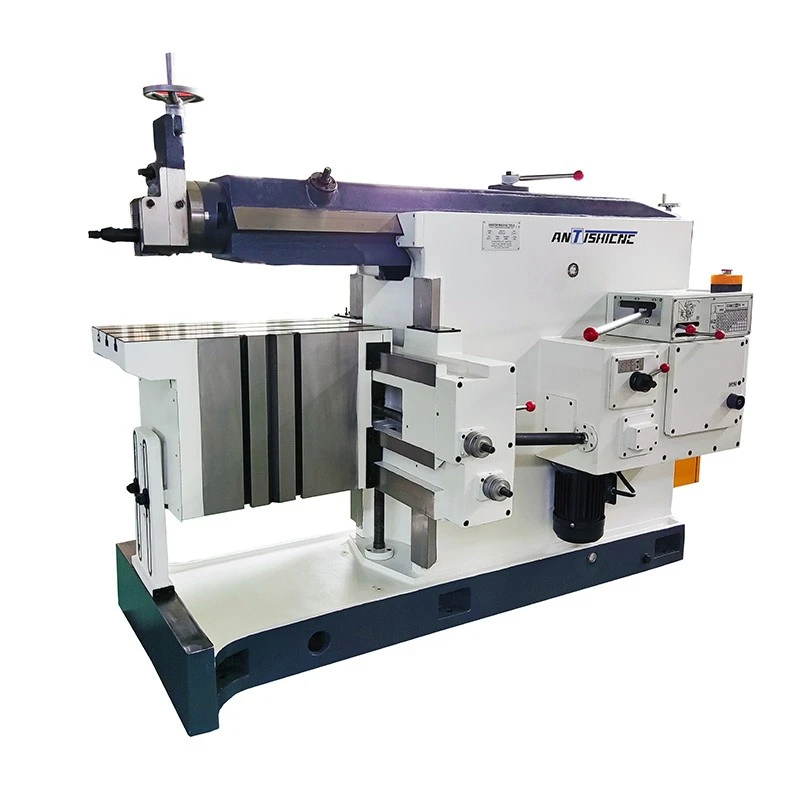
Ram
The ram is one of the most important components of the shaping machine. It's located on the front of the column and moves back and forth in a reciprocating motion. The cutting tool is attached to the ram, and as the ram moves, the tool cuts into the workpiece. The speed and stroke length of the ram can be adjusted according to the requirements of the job. A longer stroke length is useful for shaping larger workpieces, while a shorter stroke can be used for more precise, detailed work.
Tool Head
The tool head is attached to the ram. It holds the cutting tool and allows for adjustments in the cutting angle. You can tilt the tool head to create different cutting angles, which is handy when you need to shape bevels or other non - flat surfaces. The tool head also has a mechanism for feeding the cutting tool into the workpiece at the right depth.
Feed Mechanism
The feed mechanism is responsible for moving the workpiece or the cutting tool in a controlled manner. There are different types of feed mechanisms, but the most common ones are mechanical and hydraulic. The mechanical feed mechanism uses gears and levers to move the workpiece, while the hydraulic feed mechanism uses fluid pressure. The feed rate can be adjusted to control how fast the cutting tool moves through the workpiece. A slower feed rate is often used for more precise cuts, while a faster feed rate can be used for roughing operations.
Drive Mechanism
The drive mechanism powers the movement of the ram. It can be either electric or mechanical. Electric drive mechanisms are more common these days because they're more efficient and easier to control. The drive mechanism converts the electrical energy into mechanical energy to move the ram back and forth. It also provides the power needed to operate the feed mechanism.
Lubrication System
A good lubrication system is essential for the smooth operation of a shaping machine. It reduces friction between the moving parts, which helps to prevent wear and tear. The lubrication system usually consists of oil pumps, pipes, and nozzles that deliver lubricating oil to the critical parts of the machine, such as the ram, the slideways, and the gears. Proper lubrication also helps to dissipate heat generated during the machining process, which can extend the life of the machine.
Coolant System
The coolant system is used to cool the cutting tool and the workpiece during the machining process. When the cutting tool cuts into the workpiece, it generates a lot of heat. If this heat is not removed, it can damage the cutting tool and affect the quality of the workpiece. The coolant system sprays a coolant, usually a mixture of water and oil, onto the cutting area. The coolant helps to reduce the temperature, flush away the chips produced during cutting, and prevent corrosion.
Now that you know the main components of a shaping machine, you can see how they all work together to create precise and accurate shapes. Whether you're in the manufacturing industry, a hobbyist, or just someone interested in machining, understanding these components can give you a better appreciation of the technology behind shaping machines.
If you're in the market for a shaping machine, we've got a great range of options available. Check out our Shaping and Slotting Machine, Shaping and Planing Machine, and Shaping Tool Machine pages to learn more about our products. We're always happy to help you find the right machine for your needs. So, don't hesitate to reach out if you have any questions or if you're ready to start a purchase negotiation. We're here to make sure you get the best shaping machine for your money.
References
- "Machining Processes and Machine Tools" by Amitabha Ghosh and Ashok Kumar Mallik
- "Manufacturing Engineering and Technology" by Serope Kalpakjian and Steven R. Schmid


