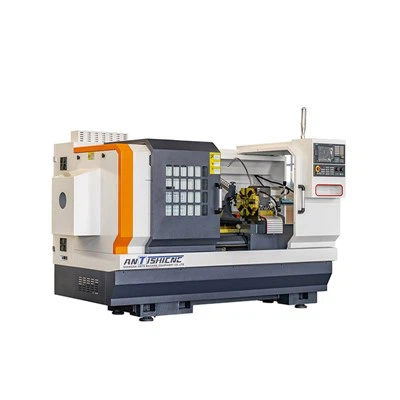
As a supplier of 100 Ton Ironworkers, I often encounter inquiries about the versatility and applicability of our machines. One question that frequently arises is whether a 100 Ton Ironworker can be used for making railway components. In this blog post, I will delve into this topic, exploring the capabilities of a 100 Ton Ironworker and its potential in the railway component manufacturing industry.
Understanding the 100 Ton Ironworker
Before we discuss its application in railway component manufacturing, let's first understand what a 100 Ton Ironworker is. A 100 Ton Ironworker is a heavy - duty machine designed for various metalworking tasks. It combines multiple functions such as shearing, punching, notching, and bending into a single unit. With a 100 - ton capacity, it can handle relatively thick and large - sized metal materials.
The punching function of a 100 Ton Ironworker is particularly powerful. It can create holes in metal plates, bars, and angles with precision. For example, it can punch holes in steel plates up to a certain thickness, which is crucial for many railway components that require holes for bolts, rivets, or other fasteners. You can learn more about the ironworker hole - punching capabilities Ironworker Hole Punch.
The shearing function allows for cutting metal sheets and bars to the desired length and shape. This is essential when manufacturing railway components that need to be cut to specific dimensions. The notching and bending functions also add to the machine's versatility, enabling the creation of complex shapes and profiles.
Railway Components and Their Requirements
Railway components come in a wide variety of shapes and sizes, each with its own set of requirements. Some common railway components include rail fasteners, brackets, and structural supports.
Rail fasteners are used to secure the rails to the sleepers or ties. They need to be made of high - strength materials and have precise dimensions to ensure a secure and stable connection. A 100 Ton Ironworker can be used to punch holes in the fasteners and cut them to the correct length, providing the necessary precision and strength.
Brackets are used to support various parts of the railway infrastructure, such as signaling equipment and power lines. These brackets often require complex shapes and bends. The bending and notching functions of a 100 Ton Ironworker can be utilized to create these brackets with the required accuracy.
Structural supports, such as columns and beams, are essential for the overall stability of the railway tracks and associated structures. A 100 Ton Ironworker can cut and punch these structural elements, ensuring that they meet the required specifications in terms of size and strength.
Advantages of Using a 100 Ton Ironworker for Railway Component Manufacturing
Cost - effectiveness
One of the main advantages of using a 100 Ton Ironworker is its cost - effectiveness. Since it combines multiple functions in one machine, it eliminates the need for purchasing and maintaining separate machines for punching, shearing, bending, and notching. This reduces the initial investment and ongoing operational costs for railway component manufacturers.
Precision and Quality
The 100 Ton Ironworker is capable of high - precision operations. It can produce components with consistent quality, which is crucial for railway applications. The punching accuracy ensures that holes are of the correct size and position, while the shearing and bending operations result in components with the desired dimensions and shapes.
Versatility
As mentioned earlier, the 100 Ton Ironworker is a versatile machine. It can handle different types of metals, including steel, aluminum, and brass. This versatility allows railway component manufacturers to produce a wide range of components using a single machine.
Limitations and Considerations
While a 100 Ton Ironworker has many advantages for railway component manufacturing, there are also some limitations and considerations.
Material Thickness and Size
Although a 100 Ton Ironworker can handle relatively thick and large - sized metal materials, there are still limits. For extremely thick or large - scale railway components, a more powerful machine may be required. In such cases, manufacturers may need to consider upgrading to a higher - tonnage ironworker or using additional equipment in combination with the 100 Ton Ironworker.
Complexity of Components
Some railway components may have extremely complex geometries that are difficult to achieve with a standard 100 Ton Ironworker. In these situations, additional machining processes or specialized equipment may be necessary.
Comparison with Other Machines
When considering using a 100 Ton Ironworker for railway component manufacturing, it's also important to compare it with other machines. For example, a 55 Ton Ironworker 55 Ton Ironworker and a 50 Ton Ironworker 50 Ton Ironworker have lower tonnage capacities. While they may be more suitable for smaller - scale or less demanding railway component manufacturing, a 100 Ton Ironworker offers greater power and capabilities for larger and more complex components.
Conclusion
In conclusion, a 100 Ton Ironworker can be a valuable asset for railway component manufacturing. Its combination of punching, shearing, notching, and bending functions, along with its cost - effectiveness, precision, and versatility, make it suitable for producing a wide range of railway components. However, manufacturers need to be aware of its limitations and consider the specific requirements of their components.
If you are in the railway component manufacturing industry and are interested in learning more about how a 100 Ton Ironworker can meet your production needs, I encourage you to contact us for a detailed discussion. We can provide you with more information about our products, offer customized solutions, and assist you in making an informed decision.


References
- "Metalworking Machinery Handbook"
- Industry reports on railway component manufacturing