


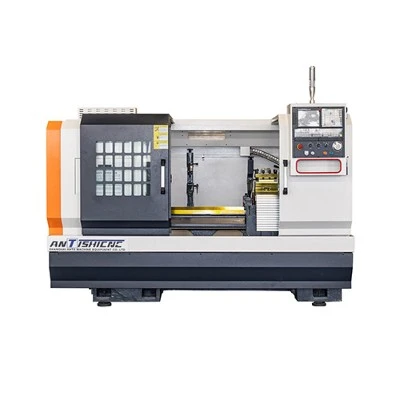
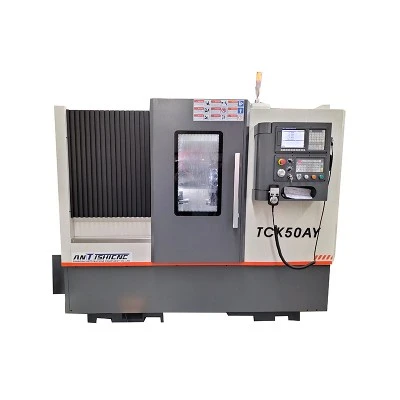
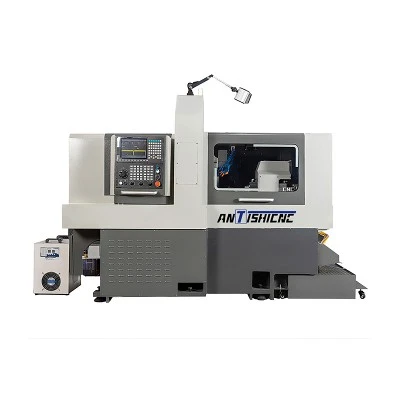
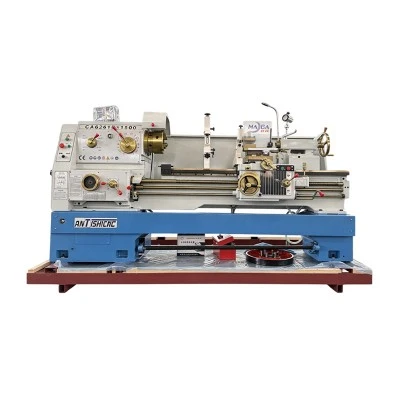
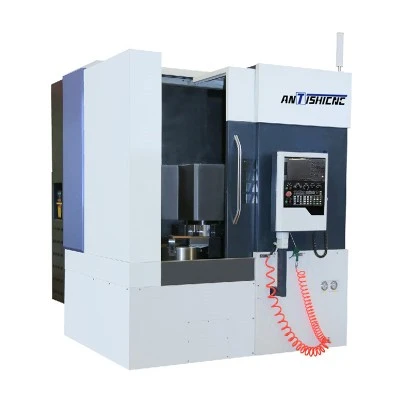
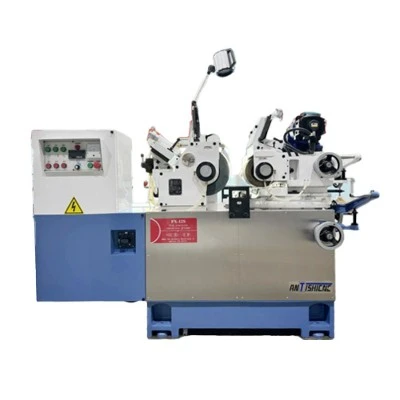
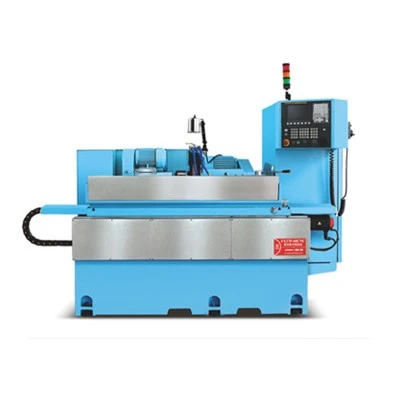
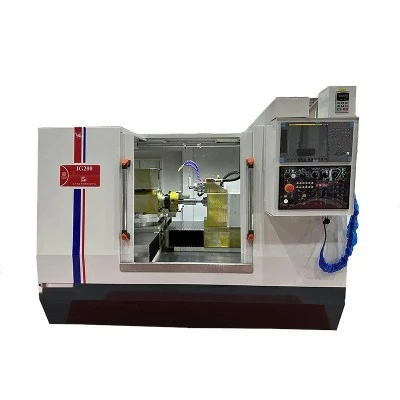
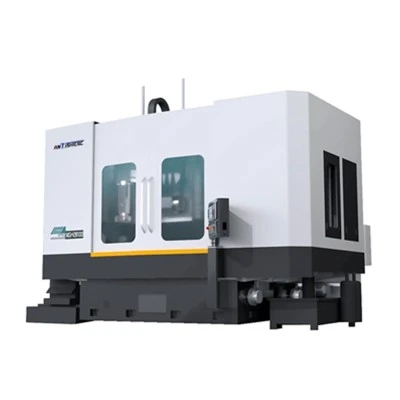
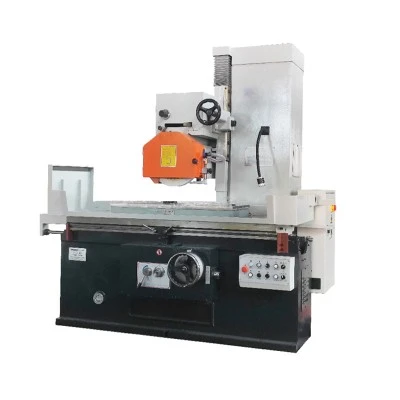
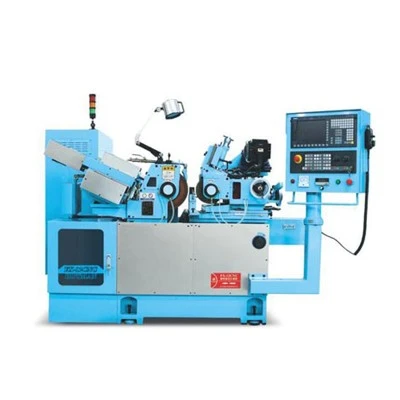
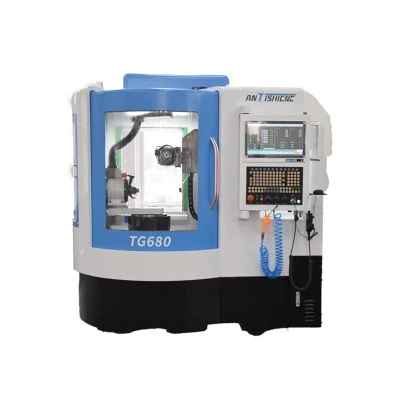

Hey there, fellow machining enthusiasts! Today, I'm going to dive into the nitty - gritty of the differences between a shaping tool machine and a milling machine. As a shaping tool machine supplier, I've seen firsthand how these two machines serve different purposes in the manufacturing world.
Let's start with the basics of a shaping tool machine. A shaping machine is a type of machine tool that uses a single - point cutting tool to generate flat or contoured surfaces on a workpiece. It operates by making a reciprocating linear motion, where the cutting tool moves forward during the cutting stroke and retraces its path during the return stroke without cutting.
One of the key features of a shaping tool machine is its simplicity. It's relatively straightforward to understand and operate. For small - scale workshops or hobbyists, a Small Shaper Machine can be a great addition. These compact machines are perfect for small - part machining and can handle a variety of simple shaping tasks.
The way a shaping machine works is pretty cool. The workpiece is held stationary on the machine table, and the cutting tool moves back and forth. This is great for creating flat surfaces, keyways, and grooves. It's also useful for machining small - sized workpieces where precision is required. For instance, if you're making a small mechanical part with a flat surface and some simple grooves, a shaping machine can do the job efficiently.
Now, let's talk about the Shaping and Planing Machine. Planing is similar to shaping, but planers are generally used for larger workpieces. In a planer, the cutting tool is stationary, and the workpiece moves back and forth under it. Shaping and planing machines together offer a wide range of machining capabilities for different sizes of workpieces.
On the other hand, a milling machine is a bit more complex. A milling machine uses a rotating multi - point cutting tool to remove material from a workpiece. The cutting tool can move in multiple axes, including the X, Y, and Z axes. This allows for a much greater range of machining operations compared to a shaping machine.
Milling machines can be used for face milling, end milling, slot milling, and many other operations. They can create complex shapes, contours, and profiles on a workpiece. For example, if you want to create a 3D model, a milling machine is the go - to tool. It can handle both small - and large - scale projects with high precision.
One of the main differences between a shaping tool machine and a milling machine is the nature of the cutting motion. In a shaping machine, it's a linear reciprocating motion, while in a milling machine, it's a rotating motion. This difference in motion affects the types of cuts, the speed of machining, and the finish of the workpiece.
The speed of operation also varies between the two. Milling machines generally operate at higher speeds compared to shaping machines. This is because the rotating cutting tool in a milling machine can remove material more quickly. However, shaping machines are more precise in some cases, especially when it comes to creating flat surfaces.
Another aspect is the cost and maintenance. Shaping machines are usually more affordable to purchase, especially for smaller models. They also tend to have simpler maintenance requirements. Milling machines, on the other hand, can be more expensive, especially the high - end models with advanced features. The maintenance of a milling machine can also be more complex, as there are more moving parts and a more complicated cutting mechanism.
Let's take a look at the Shaping Slotting and Planing Machines. These machines offer additional capabilities beyond basic shaping. Slotting is similar to shaping but is used for creating slots and other internal features. Planing, as mentioned earlier, is suitable for larger workpieces. The combination of these functions in a single machine can be a great asset for many workshops.


In terms of application, if you're in a business that mainly deals with small - part production and simple flat - surface machining, a shaping tool machine might be your best bet. It's cost - effective, easy to operate, and can provide good precision. However, if you need to create complex shapes, work on large - scale projects, or require high - speed machining, a milling machine is the way to go.
As a shaping tool machine supplier, I understand the importance of choosing the right machine for your needs. Whether you're a beginner in the machining world or an experienced professional, it's crucial to evaluate your requirements carefully. If you're not sure which machine is suitable for you, feel free to reach out. We can help you make an informed decision based on your specific needs, budget, and the type of work you'll be doing.
If you think a shaping tool machine could be a good fit for your workshop, we'd love to have a chat with you. Our team of experts can provide you with all the information you need about our machines, their features, and how they can benefit your operations. Don't hesitate to get in touch for a procurement discussion. We're here to help you take your machining capabilities to the next level.
References
- Machining Handbook: A comprehensive guide on machine tools and their operations
- Industrial Machinery Journal: Articles on the latest developments in shaping and milling technologies


